
Semolina Flour: What It Is, How It’s Used, and Why It Matters in Cooking
When you think of perfect pasta, the kind that holds sauce just right and has that satisfying bite, you’re probably thinking of semolina flour, a coarse, golden flour made from durum wheat, prized for its high protein and gluten content that gives pasta structure and chew. Also known as durum wheat flour, it’s the secret behind Italy’s most famous noodles and the reason your homemade gnocchi doesn’t turn to mush. Unlike regular all-purpose flour, semolina isn’t finely ground—it’s coarse, gritty even, and that texture is exactly what makes it work. It doesn’t absorb water the same way, so dough stays firm, elastic, and holds its shape through boiling and saucing.
That grittiness isn’t just for pasta. durum wheat, the hard variety of wheat used to make semolina, grows best in hot, dry climates and is the foundation of traditional Mediterranean and Middle Eastern breads and cereals. In North Africa, it’s the base for couscous. In parts of Italy, it’s baked into crusty breads like pane di Altamura. Even in the U.S., it shows up in cornmeal-like grits or as a dusting on pizza stones to prevent sticking. The gluten in semolina is different from wheat flour—it’s stronger, less stretchy, and doesn’t balloon like sourdough. That’s why you don’t see it in fluffy sandwich loaves, but you’ll find it in every authentic Italian pasta recipe.
It’s also a go-to for desserts. Semolina pudding, or halva in some cultures, gets its dense, grainy sweetness from this flour. When toasted and mixed with honey or sugar, it transforms into something rich and comforting. And if you’ve ever eaten a homemade Italian cookie that’s slightly crunchy on the outside but tender inside, chances are semolina was in the mix. It adds body without heaviness, and it doesn’t turn gummy like other flours when baked.
You won’t find semolina in every kitchen, but once you start using it, you’ll notice the difference. It’s not a substitute—it’s a choice. Whether you’re rolling out tagliatelle, shaping gnocchi, or making a simple semolina cake, you’re tapping into centuries of craft. The posts below show you exactly how it’s used: from no-sauce pasta tricks that rely on its texture, to slow cooker hacks where it holds up under long cooking, to why it’s the best flour for homemade breads that don’t collapse. You’ll see how it connects to gluten-free alternatives, why some diets avoid it, and how it fits into seasonal cooking when paired with fresh herbs, tomatoes, or seasonal cheeses. This isn’t just flour—it’s the backbone of real, hands-on cooking.
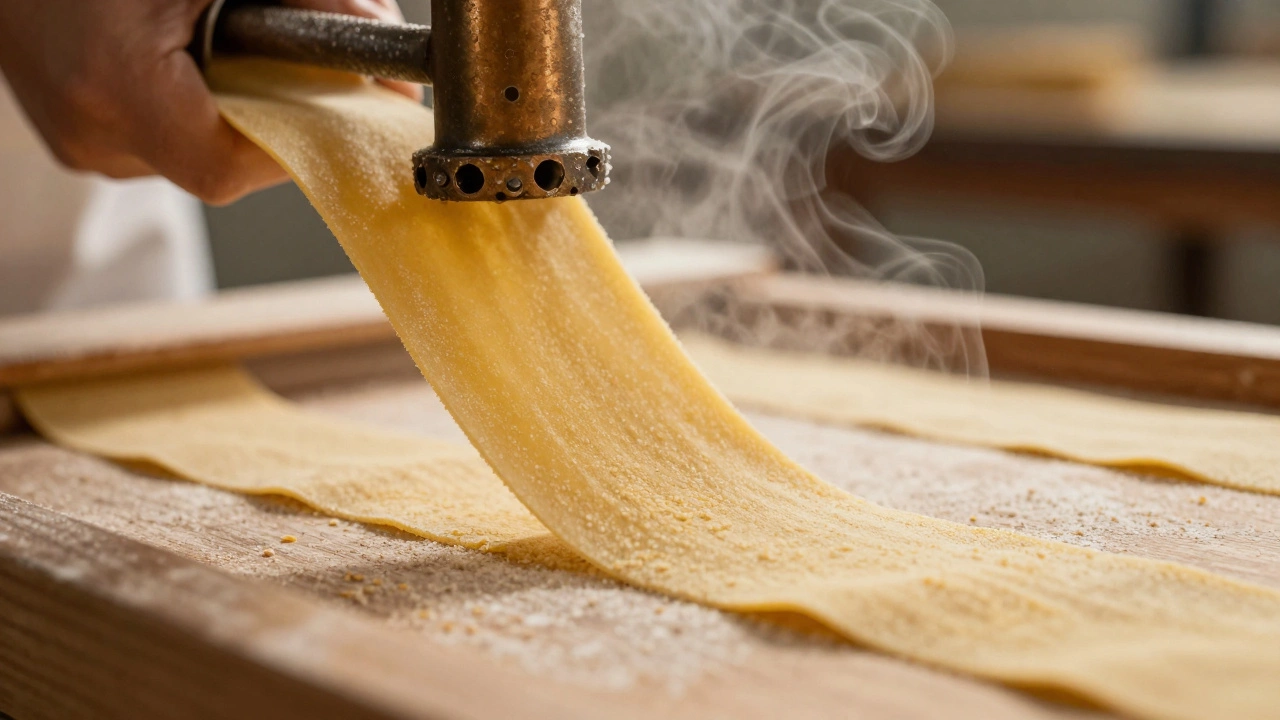
Why Pasta Tastes Different in Italy vs. the US
Italian pasta tastes better because of high-quality durum wheat, bronze die extrusion, and slow drying-not just the sauce. Here's why American pasta falls short and how to fix it at home.
More Detail