
Pasta Quality: What Makes Great Pasta and How to Spot It
When you buy pasta quality, the term refers to how well-made, flavorful, and texturally satisfying pasta is, based on ingredients, production method, and cooking behavior. Also known as artisan pasta, it’s not just about shape—it’s about soul. High-quality pasta doesn’t fall apart in boiling water. It doesn’t turn mushy. It holds its bite, even after it’s been tossed in sauce. And it tastes like wheat—not just starch and filler.
What separates good pasta from great pasta? It starts with the dried pasta, pasta made from durum wheat semolina and water, extruded through bronze dies, then slowly dried at low temperatures. Also known as traditional dried pasta, it’s the kind you find in Italian markets where the label says "trattoria" or "artigianale". Cheap pasta is made with steel dies and rushed drying. It’s smooth, shiny, and cooks too fast. Good pasta has a rough surface that grabs sauce. It’s made slowly, because time turns wheat into something that sticks to your ribs and your memory.
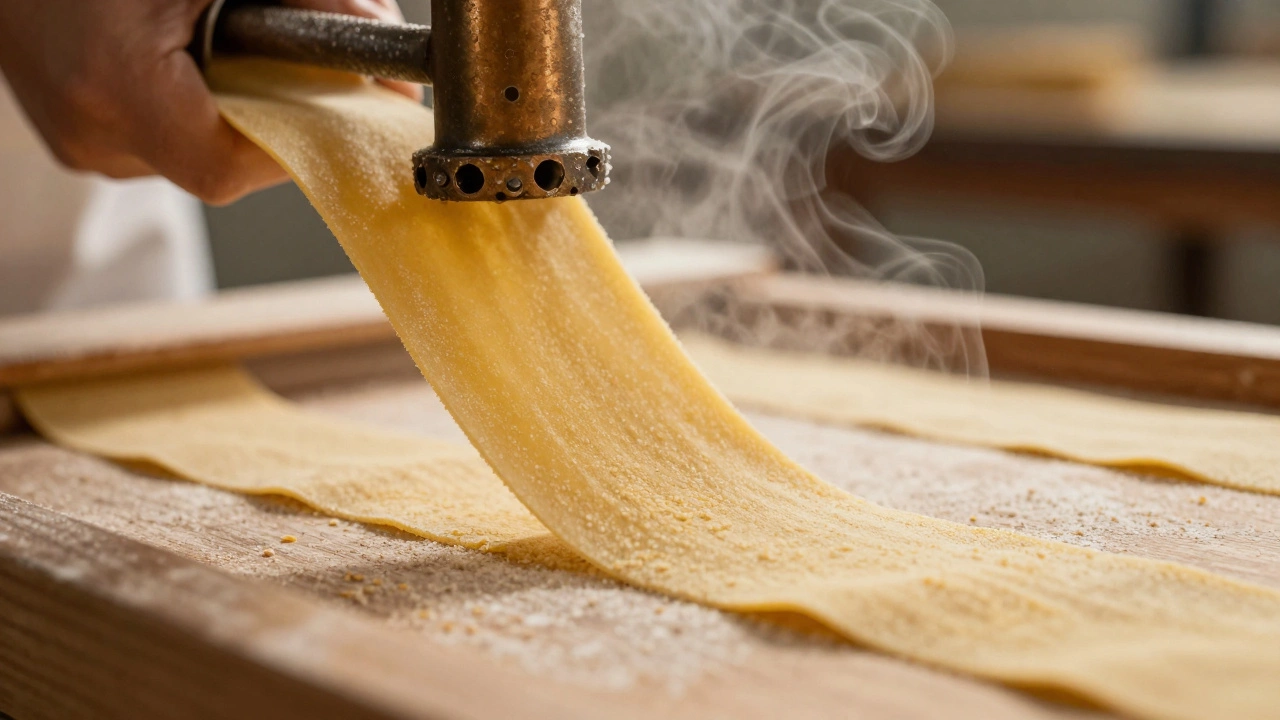
Then there’s fresh pasta, egg-based pasta made daily, often by hand, with a delicate texture and rich flavor. Also known as homemade pasta, it’s not better than dried—it’s just different. Fresh pasta sings in butter and sage. Dried pasta stands up to ragù. Both need to be made with care. If your pasta tastes bland, it’s not the sauce. It’s the pasta. Look for ingredients you recognize: semolina flour, water, maybe eggs. No preservatives. No additives. No "enriched" flour. That’s the sign of real pasta quality.
You’ll find plenty of posts here that dig into what happens when you skip the right pasta—like how a cheap noodle turns your bolognese into soup, or why some pasta shapes just don’t hold sauce the way they should. You’ll learn how to tell if your dried pasta is any good just by looking at it. You’ll see what to do when you have no sauce at all—and still make something unforgettable. This isn’t about fancy tools or expensive brands. It’s about knowing what matters when you’re standing in front of the pasta aisle, or rolling out dough on your kitchen counter.
Why Pasta Tastes Different in Italy vs. the US
Italian pasta tastes better because of high-quality durum wheat, bronze die extrusion, and slow drying-not just the sauce. Here's why American pasta falls short and how to fix it at home.
More Detail