
American Candy: Sweet Treats, Secrets, and Why They Taste Different
When you think of American candy, mass-produced sweets known for high sugar content, bright colors, and intense artificial flavors. Also known as commercial confectionery, it's the kind of treat you find in bulk bins, movie theaters, and lunchboxes across the U.S. It’s not just sugar—it’s a cultural artifact. From Hershey’s bars to gummy worms, American candy was built for speed, shelf life, and instant gratification. Unlike artisanal chocolates or European hard candies that focus on cocoa quality or slow caramelization, American candy thrives on consistency, cost, and crowd-pleasing sweetness. You don’t eat it for nuance—you eat it because it makes you feel something right away.
What’s inside these candies? Most rely on high-fructose corn syrup, a cheap, liquid sweetener derived from corn starch that’s used in over 70% of packaged foods in the U.S. as a base. Then come artificial colors like Red 40 and Yellow 5, synthetic flavors that mimic fruit but never taste quite like the real thing, and preservatives to keep them shelf-stable for years. Compare that to Italian gianduja or French caramels made with single-origin sugar and real cream—there’s a reason those taste different. American candy doesn’t aim for complexity. It aims for memorability. And it works. The average American eats over 25 pounds of candy each year, according to industry data. That’s not just nostalgia—it’s engineered habit.
It’s also shaped by regulation. Unlike the EU, which bans or restricts many artificial dyes, the U.S. allows them with little oversight. That’s why your sour patch kids glow neon and your Skittles come in rainbow bursts. It’s not an accident—it’s a design choice. And while some brands are shifting toward natural ingredients now, the legacy of cheap, loud, sugary candy still dominates. You’ll find that tension in the posts below: recipes that try to replicate the flavor, health guides that warn about the sugar, and comparisons that ask if you’re really getting your money’s worth.
Some of the posts here dig into how candy affects your body—like what happens when you eat too much sugar, or why diabetics need to read labels carefully. Others compare American candy to global sweets, or show you how to make better versions at home. There’s no sugarcoating it: most commercial candy is not healthy. But it’s everywhere. Understanding what’s in it, why it’s made that way, and how to enjoy it without regret? That’s the real skill.
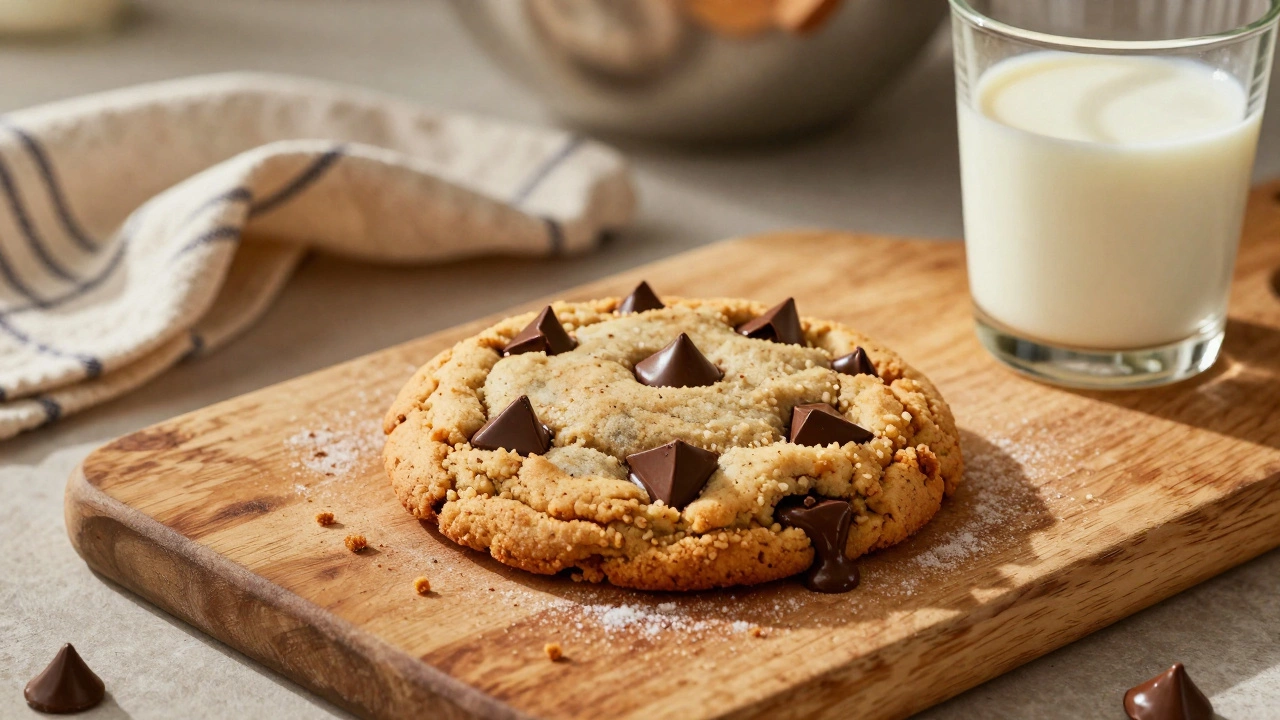
What Are the Most Popular American Sweets? Top 10 Classics Everyone Loves
Discover the top 10 most popular American sweets that have stood the test of time-from chocolate chip cookies and apple pie to s’mores and peanut butter cups. These classic desserts are beloved across generations.
More Detail