
Nutrient Density & Synergy Calculator
Select Foods for Your Plate
Click on foods to add them to your meal. Watch how combining different food groups increases your "Synergy Score".
Analysis
Add foods to start
- Total Calories: 0 kcal
- Dietary Fiber: 0 g
- Protein: 0 g
Stop scrolling for the magic bullet. If you are looking for a single healthiest food that will cure every ailment and grant you immortality, you are going to be disappointed. Nutrition science doesn't work like video games where you find one golden sword that beats all bosses. Instead, it works through synergy. Your body is a complex chemical factory that needs a wide variety of inputs to function correctly.
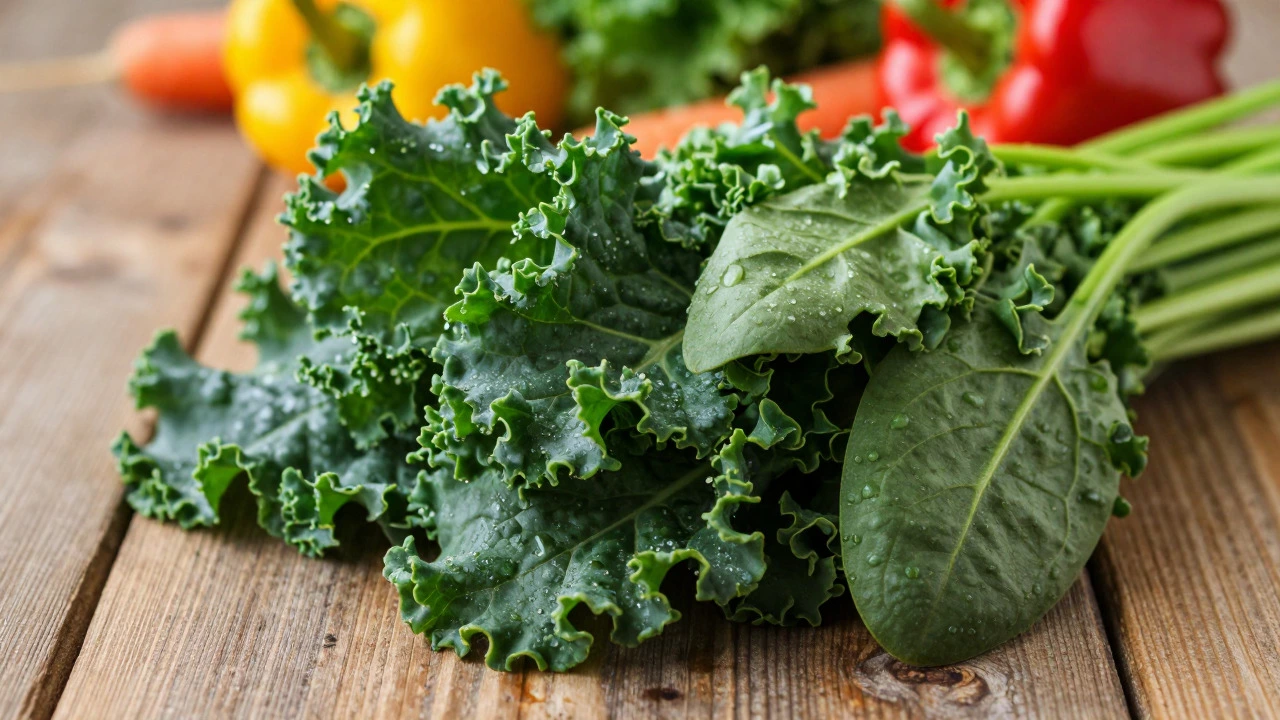
However, if we force the question-what comes closest to being the "most" healthy?-the answer isn't a trendy berry or a mysterious root vegetable from the Amazon rainforest. It’s something far more humble, accessible, and scientifically robust: leafy green vegetables, specifically dark varieties like kale, spinach, and collard greens.
The Myth of the Superfood
We live in an era of marketing hype. Every year, a new ingredient gets crowned the king of health. Last decade it was quinoa; before that, it was goji berries. These items are often labeled as "superfoods," a term that has no scientific definition but sells very well in supermarkets.
The problem with focusing on a single item is nutritional imbalance. Imagine building a house using only bricks. You might have strong walls, but you’ll have no windows, no doors, and no electrical wiring. Similarly, eating only one type of food, even if it is incredibly nutritious, leaves massive gaps in your micronutrient profile. For example, while salmon is fantastic for omega-3 fatty acids, it lacks the fiber and vitamin C found in fruits and vegetables.
To understand why no single food reigns supreme, we need to look at the concept of nutrient density. This is the ratio of nutrients (vitamins, minerals, phytochemicals) to calories. The higher the ratio, the better the food supports bodily functions without contributing to excess energy storage.
Why Leafy Greens Take the Crown
If we judge by nutrient density per calorie, dark leafy greens are hard to beat. Let’s take spinach as the primary example. In just one cup of raw spinach, you get nearly 100% of your daily recommended intake of Vitamin K, which is crucial for blood clotting and bone health. You also get significant amounts of Vitamin A, Vitamin C, magnesium, folate, and iron.
But it’s not just about vitamins. These greens contain chlorophyll, antioxidants, and anti-inflammatory compounds that protect your cells from damage caused by free radicals. Free radicals are unstable molecules that contribute to aging and diseases like cancer and heart disease. By neutralizing them, leafy greens act as a shield for your long-term health.
Furthermore, they are extremely low in calories. You can eat large volumes of greens without worrying about weight gain, which helps maintain a healthy metabolism. This volume eating strategy keeps you full because of the high fiber content, reducing the likelihood of overeating other, less healthy foods later in the day.
| Food Item | Calories (per 100g) | Key Vitamins/Minerals | Primary Health Benefit |
|---|---|---|---|
| Spinach | 23 kcal | Vitamin K, A, C, Iron, Magnesium | Bone health, immune support, antioxidant protection |
| Blueberries | 57 kcal | Vitamin C, Manganese, Anthocyanins | Brain health, reduced oxidative stress |
| Salmon | 208 kcal | Omega-3 Fatty Acids, Protein, Vitamin D | Heart health, brain function, inflammation reduction |
| Broccoli | 34 kcal | Vitamin C, K, Fiber, Sulforaphane | Cancer prevention, digestion, detoxification |
| Avocado | 160 kcal | Potassium, Healthy Fats, Fiber | Cholesterol management, nutrient absorption |
The Role of Whole Foods vs. Processed Items
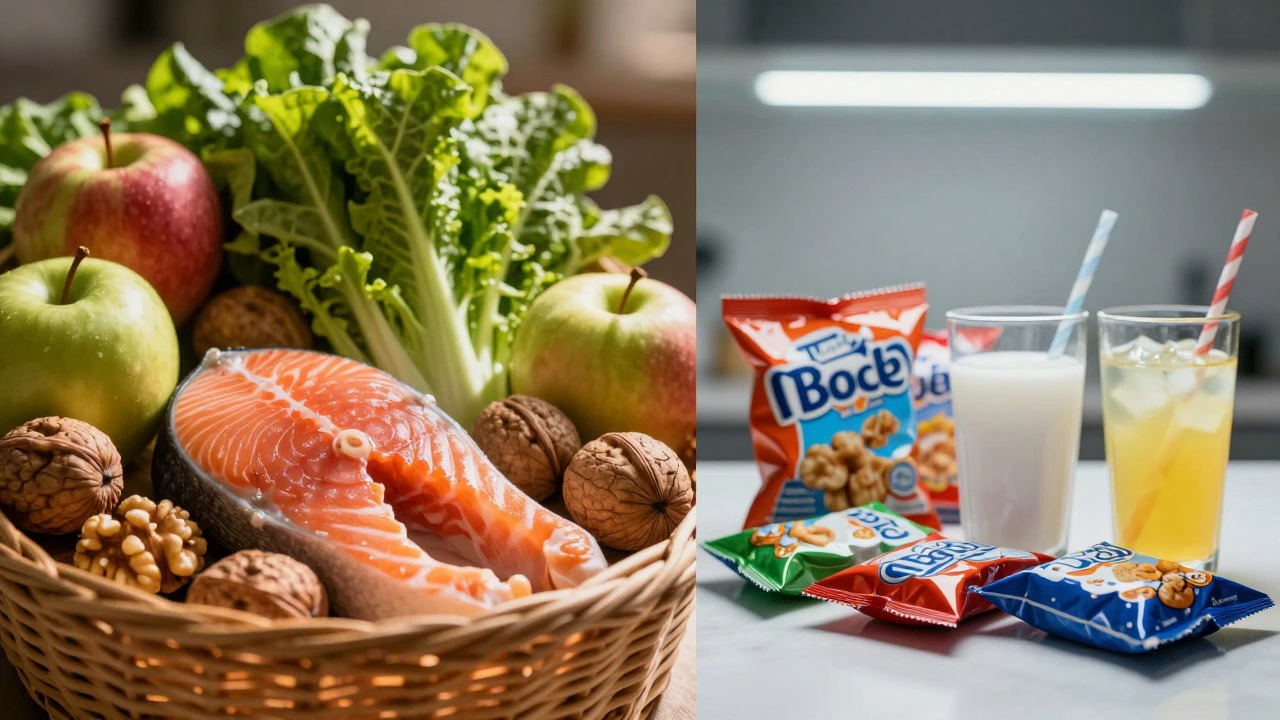
When discussing the healthiest options, the distinction between whole foods and processed foods is critical. A whole food is an item that is in its natural state, largely unprocessed and unrefined. An apple is a whole food; apple juice from a box is not. Brown rice is closer to whole than white rice, which has had its bran and germ removed.
Processed foods often strip away fiber and essential nutrients while adding sodium, sugar, and unhealthy fats. Even if a processed snack claims to be "fortified" with vitamins, it rarely replicates the complex matrix of phytonutrients found in whole plants. Your body absorbs and utilizes nutrients differently depending on their source. For instance, the iron in spinach is accompanied by vitamin C, which enhances absorption. Taking an iron pill without this context can lead to poor utilization or digestive issues.
This is why the Mediterranean diet consistently ranks as one of the healthiest dietary patterns globally. It doesn’t rely on one superfood. Instead, it emphasizes a wide variety of whole foods: olive oil, nuts, fish, legumes, fruits, and vegetables. The diversity ensures that you get a broad spectrum of nutrients working together.
Other Strong Contenders
While leafy greens lead in nutrient density, other foods play irreplaceable roles. Consider blueberries. They are packed with anthocyanins, the pigments that give them their deep purple color. Studies suggest these compounds may improve memory and delay age-related cognitive decline. However, you cannot survive on blueberries alone; you would lack sufficient protein and fat.
Fatty fish like salmon is another powerhouse. It provides high-quality protein and omega-3 fatty acids (EPA and DHA), which are essential for brain health and reducing inflammation. Since our bodies are inefficient at converting plant-based omega-3s (ALA) into EPA and DHA, getting these directly from fish is crucial for many people. Yet, fish contains no fiber, so it must be paired with plants for optimal gut health.
Nuts and seeds, particularly walnuts and chia seeds, offer healthy fats, protein, and minerals like zinc and selenium. They are dense in calories, so portion control is key, but their impact on heart health is profound. Eating a small handful of almonds daily has been linked to lower risks of coronary heart disease.
Practical Steps to Build a Healthy Plate
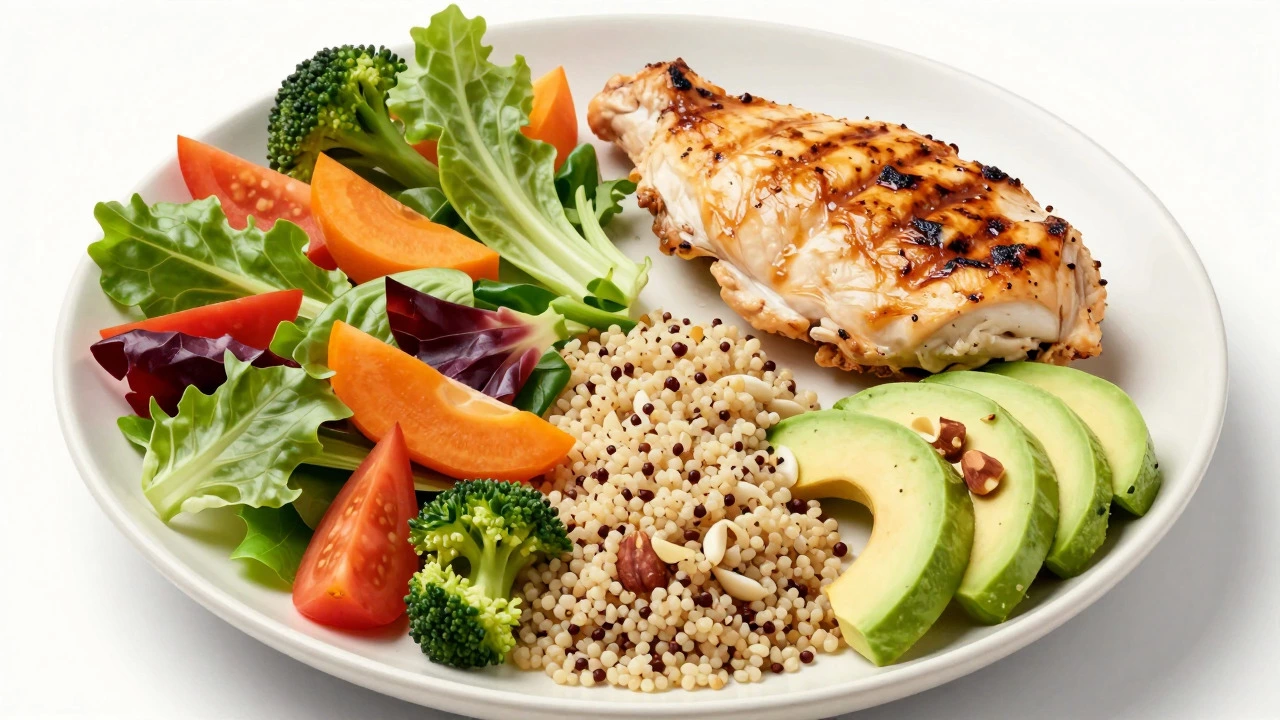
Instead of searching for a mythical single best food, focus on building a plate that covers all your bases. Here is a simple framework:
- Fill half your plate with colorful vegetables. Aim for variety. Different colors indicate different phytonutrients. Red tomatoes provide lycopene; orange carrots provide beta-carotene; green broccoli provides sulforaphane.
- Add a quarter for lean protein. This could be chicken, fish, tofu, or beans. Protein is essential for muscle repair and enzyme production.
- Include a quarter of complex carbohydrates. Choose whole grains like quinoa, brown rice, or sweet potatoes. These provide sustained energy and fiber.
- Incorporate healthy fats. Use olive oil for cooking or add avocado and nuts. Fats help absorb fat-soluble vitamins (A, D, E, and K).
This approach ensures you aren’t missing out on any critical nutrient groups. It also makes meals more enjoyable and sustainable. Diets based on restriction or single-food obsession often fail because they are boring and difficult to maintain long-term.
Common Pitfalls to Avoid
One major mistake people make is relying on supplements instead of real food. While supplements can fill specific gaps (like Vitamin D in winter or B12 for vegans), they are not a substitute for a balanced diet. Pills do not contain the fiber, water, and thousands of minor plant compounds that contribute to overall health.
Another pitfall is ignoring hydration. Water is technically not a "food," but it is the most vital substance for life. Many symptoms attributed to hunger or fatigue are actually signs of mild dehydration. Aim for adequate water intake throughout the day, adjusting for activity level and climate.
Finally, don’t neglect sleep and stress management. You can eat the perfect diet, but if you are chronically stressed and sleep-deprived, your body will struggle to utilize those nutrients effectively. Cortisol, the stress hormone, can interfere with metabolism and increase cravings for sugary, fatty foods.
Conclusion: Diversity is Key
So, is there a single most healthy food? Technically, dark leafy greens come closest due to their unmatched nutrient-to-calorie ratio. But practically, the answer is "no." Health is not achieved through a single ingredient but through a pattern of eating that prioritizes whole, minimally processed foods in a wide variety.
Your goal should not be to optimize for one metric but to nourish your body comprehensively. Eat the rainbow. Include fats, proteins, and fibers. Listen to your body. And remember that consistency matters more than perfection. A slightly imperfect diet eaten consistently for years is far healthier than a perfect diet followed for two weeks and then abandoned.
What is the number one healthiest food in the world?
There is no single "number one" food, but dark leafy greens like spinach and kale are often considered the most nutrient-dense. They provide high levels of vitamins, minerals, and antioxidants with very few calories. However, a healthy diet requires a variety of foods, including fruits, proteins, and healthy fats.
Can I lose weight by eating only one healthy food?
While you might lose weight initially due to calorie restriction, eating only one food is unsustainable and unhealthy. It leads to nutrient deficiencies, metabolic slowdown, and eventual rebound weight gain. A balanced diet with a moderate calorie deficit is the safest way to lose weight.
Are superfoods worth the extra cost?
Superfoods like acai berries or goji berries can be healthy, but they are not necessary. Common foods like spinach, beans, and apples offer similar or better nutritional benefits at a fraction of the price. Focus on affordable, local, and seasonal produce for the best value.
How much spinach should I eat per day?
There is no strict limit, but aiming for one to two cups of raw spinach or half a cup cooked daily is a good target. Spinach is rich in oxalates, which can contribute to kidney stones in susceptible individuals, so moderation and variety are important.
Is organic food significantly healthier than conventional?
Organic foods generally have lower pesticide residues and may have slightly higher levels of certain antioxidants. However, the most important factor is simply eating more fruits and vegetables, regardless of whether they are organic. Washing produce thoroughly can reduce pesticide exposure.
What are the best foods for brain health?
Foods rich in omega-3 fatty acids (like salmon and walnuts), antioxidants (like blueberries and dark chocolate), and B vitamins (like leafy greens and eggs) support brain function. Staying hydrated and managing blood sugar levels also play crucial roles in cognitive health.
Does cooking destroy nutrients in vegetables?
Cooking can reduce some heat-sensitive nutrients like Vitamin C, but it increases the availability of others, such as lycopene in tomatoes and beta-carotene in carrots. Steaming or light sautéing preserves more nutrients than boiling. A mix of raw and cooked vegetables is ideal.
Are nuts healthy despite their high calorie count?
Yes, nuts are very healthy. They provide healthy fats, protein, fiber, and essential minerals. Although calorie-dense, studies show that regular nut consumption is associated with a lower risk of heart disease and improved weight management when eaten in moderation (about a small handful per day).