
Slow Cooker Beef Calculator
Get the perfect slow cooker settings for tender, juicy beef. Enter your cut type and weight to see recommended cooking time, liquid amount, and key tips.
You put a big chunk of beef in the slow cooker, set it on low, and walk away. Hours later, you expect melt-in-your-mouth tenderness. Instead, you get chewy, rubbery meat that won’t budge with a fork. It’s frustrating - and common. If your beef comes out tough in the slow cooker, it’s not because the appliance is broken. It’s because of a few simple mistakes most people make without even realizing it.
Not Choosing the Right Cut of Beef
The biggest reason beef turns out tough in a slow cooker is using the wrong cut. Not all beef is made for long, slow cooking. Lean cuts like sirloin, tenderloin, or round steak don’t have enough fat or connective tissue to break down properly. These cuts are meant for quick searing or grilling. When you slow cook them, they dry out instead of tenderizing.
What you need is a cut rich in collagen - the stuff that turns into gelatin when cooked slowly. That means chuck roast, brisket, shank, or short ribs. These cuts come from parts of the cow that work hard, so they’re full of connective tissue. That’s exactly what you want. In a slow cooker, that collagen melts over 6-8 hours, turning into rich, silky sauce and making the meat fall apart tender.
Look for marbling - those white streaks of fat running through the meat. More marbling means more flavor and better texture. A well-marbled chuck roast is your best friend in the slow cooker.
Not Browning the Meat First
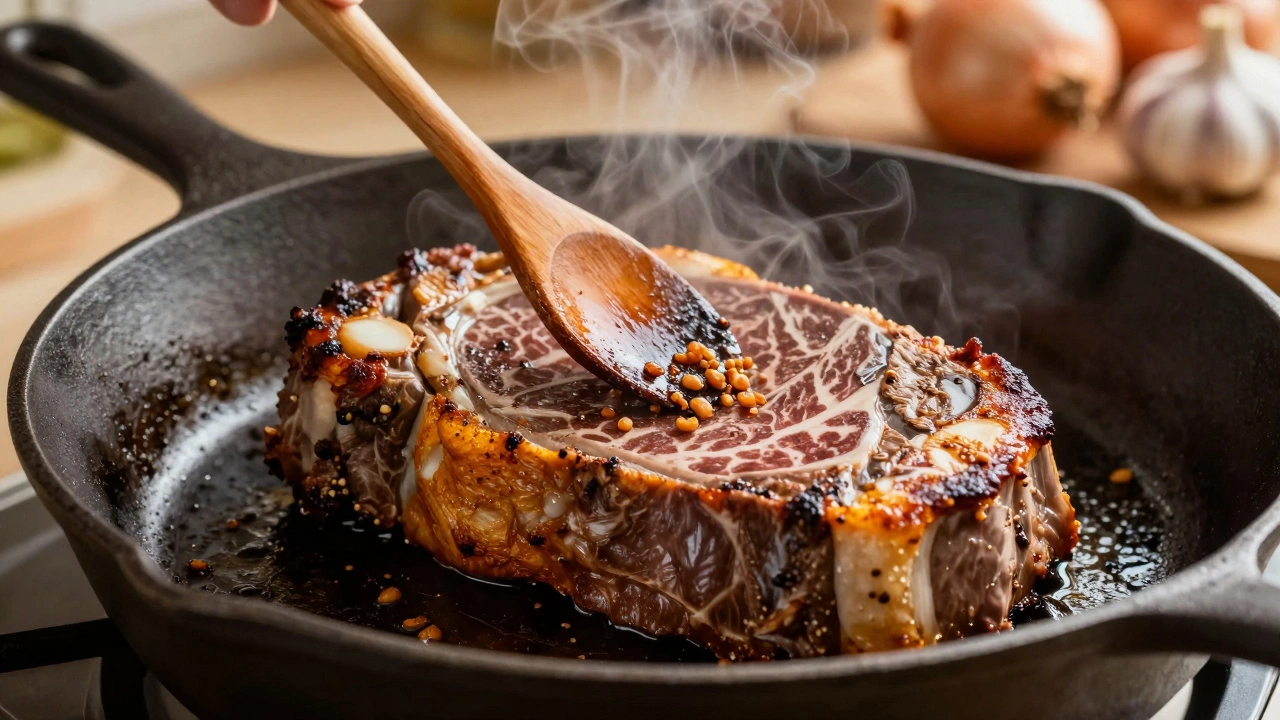
Skipping the sear is like skipping the first step in a recipe. It’s not just about flavor - it’s about texture. When you toss raw beef straight into the slow cooker, it steams instead of roasts. The result? Gray, bland, and sometimes tough meat.
Browning creates the Maillard reaction - a chemical process that develops deep, savory flavors. It also helps the meat hold its shape better during long cooking. You don’t need to cook it all the way through. Just get a good brown crust on all sides in a hot skillet. Take 5-7 minutes. It makes a huge difference.
After browning, don’t skip deglazing the pan. Pour in a splash of broth, wine, or even water, and scrape up the browned bits. That’s pure flavor locked into the pan. Pour it into the slow cooker with your meat. That little step adds layers of taste you can’t get any other way.
Cooking for Too Short a Time
Slow cookers aren’t magic. They need time. Many people set their slow cooker to low and check on the beef after 4 hours. If it’s not tender, they assume it’s broken - or the meat is bad. But collagen takes time to break down. It doesn’t start melting until the internal temperature hits around 160°F (71°C), and even then, it needs hours to fully convert.
For a 3-4 pound chuck roast, you need at least 8 hours on low. If you’re in a hurry and use high, plan for 5-6 hours. But even then, don’t rush it. If the meat still feels firm when you poke it with a fork, keep going. The fork should slide in easily, like butter. If it resists, give it another hour.
One trick I use: check the meat after 6 hours on low. If it’s still tight and springy, don’t assume it’s done. Wait. Patience is the secret ingredient.
Adding Too Much Liquid
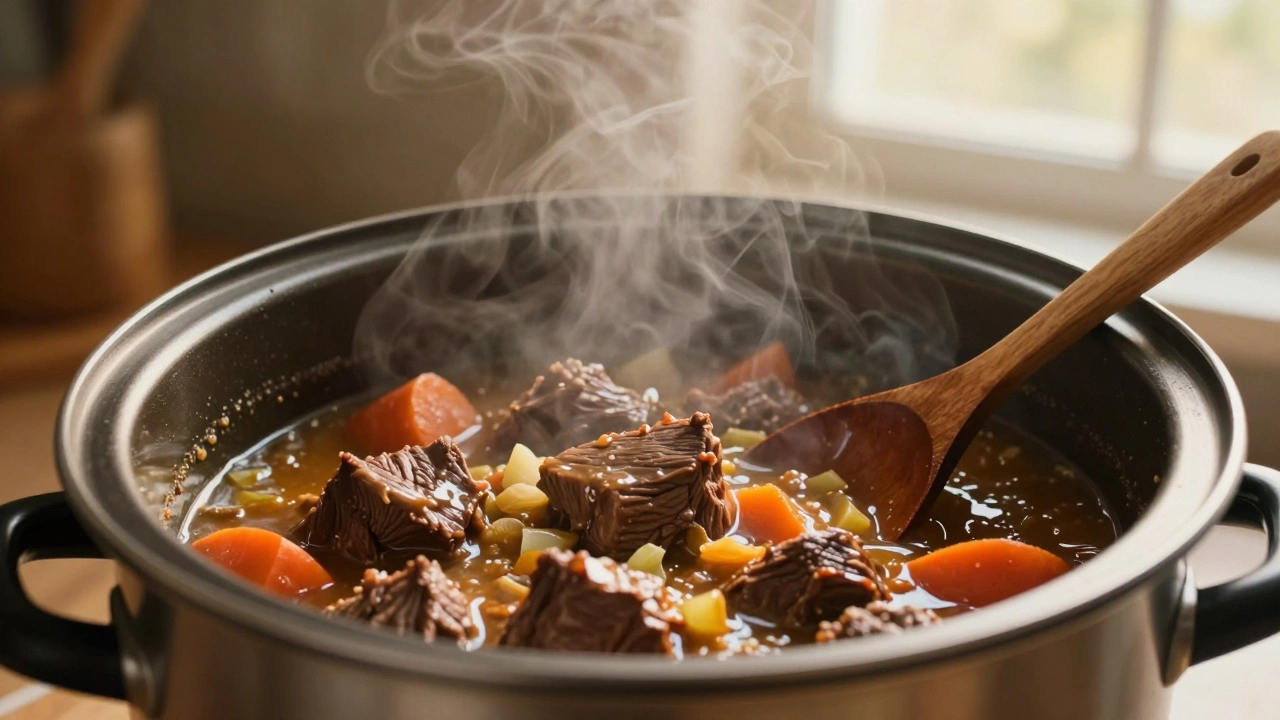
Slow cookers trap steam. They don’t let moisture escape. That means you need less liquid than you think. Pouring in a full cup of broth or water might seem helpful, but it actually dilutes the flavor and can make the meat soggy - not tender.
For a standard 6-quart slow cooker, ½ cup of liquid is often enough. That’s just enough to create steam and help the flavors blend. The meat itself releases juices as it cooks. Vegetables like onions, carrots, and celery also add moisture. Too much liquid turns your rich beef stew into a watery soup.
Also, avoid adding acidic liquids like tomato sauce or vinegar too early. They can slow down collagen breakdown. Add them in the last 2 hours if you want the meat to soften properly.
Not Cutting the Meat Into the Right Size
Big chunks of beef take longer to cook through. If you throw in a 5-pound roast whole, the outside might be falling apart while the center is still raw or tough. That’s because heat moves slowly through dense meat.
For even cooking, cut your roast into 2-3 inch pieces. It’s not traditional, but it works. Smaller pieces mean more surface area for heat to reach. They cook faster and more evenly. You’ll get tender meat throughout, not just on the edges.
And don’t overfill the slow cooker. Fill it no more than two-thirds full. If it’s too packed, steam can’t circulate. The meat won’t cook evenly. It’s the same reason you don’t overcrowd a pan when searing.
Opening the Lid Too Often
Every time you lift the lid, you lose 15-20 minutes of cooking time. That’s because the slow cooker has to reheat all the steam and air inside. You might think you’re just checking - “Is it done yet?” - but you’re actually delaying the process.
Resist the urge. If you’re worried it’s not cooking, trust the timer. Use a meat thermometer if you need to be sure. The internal temperature should hit at least 195°F (90°C) for fork-tender beef. That’s when collagen fully breaks down.
And don’t stir unless you have to. Stirring can break up the meat and expose it to more air, which slows cooking. Let it sit. Let it work.

Not Letting It Rest After Cooking
Even after the slow cooker turns off, the meat isn’t done. Just like steak, beef needs to rest. When you pull it out, the juices are still moving around inside. If you cut into it right away, all that flavor runs out onto the plate.
Turn off the slow cooker. Leave the lid on. Let the beef sit for 15-20 minutes. The residual heat will keep it warm while the juices redistribute. Then, when you shred or slice it, the meat stays moist and tender.
Some people even leave the meat in the warm liquid overnight. That’s not necessary, but it does help if you’re making pulled beef for tacos or sandwiches. The longer it soaks, the more flavor it absorbs.
What to Do If Your Beef Is Already Tough
Maybe you already cooked it and it’s chewy. Don’t throw it out. There’s still hope.
- Shred it with two forks. Smaller pieces are easier to chew.
- Simmer it in extra broth or sauce for another 30-60 minutes. The added moisture and heat can help soften it further.
- Blend some of the sauce and pour it back over the meat. The fat and gelatin will coat the fibers and make them feel less dry.
- Use it in dishes where texture matters less - like shepherd’s pie, tacos, or pasta sauce. The flavor is still good.
It’s not perfect, but it’s edible. And next time? You’ll know better.
Quick Checklist for Perfect Slow Cooker Beef
- Use chuck roast, brisket, or shank - never lean cuts
- Brown the meat first - even if it’s just 5 minutes
- Cook 8+ hours on low - don’t rush
- Use only ½ cup liquid - let the meat and veggies do the rest
- Cut into 2-3 inch pieces - for even cooking
- Don’t open the lid - not even once
- Let it rest 15-20 minutes - after cooking
Beef in a slow cooker doesn’t have to be tough. It’s not a gamble. It’s science. Get the cut right, give it time, and respect the process. The result? Juicy, flavorful, fork-tender beef that makes everyone ask for the recipe.
Can I fix tough beef in a slow cooker after it's already cooked?
Yes. Shred the meat and simmer it in extra broth or sauce for 30-60 minutes. The added moisture and time can help soften the fibers. You can also blend some of the cooking liquid and pour it back over the meat to add back fat and gelatin. It won’t be perfect, but it’ll be much better.
Does it matter if I use frozen beef in the slow cooker?
It’s not recommended. Frozen beef takes longer to reach a safe temperature, which increases the risk of bacterial growth. It also dilutes the sauce as it thaws. Always thaw beef in the fridge before cooking. If you’re short on time, use the microwave’s defrost setting - then brown it right away.
Why does my beef taste bland even when it’s tender?
Blandness usually comes from skipping the browning step or using too much liquid. Browning builds flavor through the Maillard reaction. Also, make sure you’re using enough salt and aromatics - garlic, onion, thyme, bay leaves. Taste the sauce before serving and adjust seasoning. Don’t be afraid to add a splash of soy sauce or Worcestershire for depth.
Can I cook beef on high instead of low?
Yes, but it’s riskier. High heat can cause leaner parts of the meat to dry out before the collagen fully breaks down. If you use high, cook for 5-6 hours and check early. The meat should be fork-tender by then. For best results, low and slow is still the way to go.
Is it safe to leave the slow cooker on overnight?
Yes, if your slow cooker is in good working order. Most modern models have automatic shut-off or warming settings. As long as the internal temperature stays above 140°F (60°C), it’s safe. Just make sure the lid stays on and the cooker isn’t placed near flammable materials.