
Chicken Doneness Calculator
Achieve Juicy Chicken
Chefs get tender chicken by controlling temperature and carryover heat. Enter your current chicken temperature below to find the perfect pull time.
Enter temperature to see results
Ever bitten into a chicken breast that felt like chewing on a dry sponge? You’re not alone. Most home cooks overcook chicken because they’re scared of undercooking it. But here’s the truth: chicken doesn’t need to be boiled into submission to be safe. Chefs get chicken so tender not by magic, but by controlling three things: temperature, time, and moisture. And you can do the same.
Why Chicken Gets Tough
Chicken breast is lean. No fat to keep it juicy. When it hits 165°F (74°C), the proteins start to squeeze out moisture like a sponge in a wringer. Go past that, even by a few degrees, and you’re asking for dryness. Most people think they need to cook it until the juices run clear, but that’s outdated advice. The USDA says 165°F is safe, but chefs know you can pull it at 155°F and let carryover heat finish the job. That five-degree buffer makes all the difference.
Another mistake? Cooking chicken straight from the fridge. Cold meat hits the pan or oven unevenly. The outside chars before the inside warms up. That’s why restaurant chicken looks evenly golden and tastes moist from edge to center.
Brining: The Secret Most People Skip
Brining isn’t just for turkeys. A simple saltwater soak-1 tablespoon of salt per cup of water-changes chicken at a molecular level. The salt breaks down muscle proteins, letting the meat hold onto more water. Even a 30-minute brine makes chicken juicier. For extra flavor, add sugar, garlic, thyme, or a splash of apple cider vinegar. Don’t overdo it. Two hours max for breast meat. Longer than that, and it starts to get mushy.
Don’t have time to brine? Dry brining works too. Just rub salt directly on the chicken and leave it uncovered in the fridge for 4-12 hours. The salt draws out moisture, then reabsorbs it along with seasoning. It’s like a flavor injection with no extra liquid.
Pounding and Even Thickness
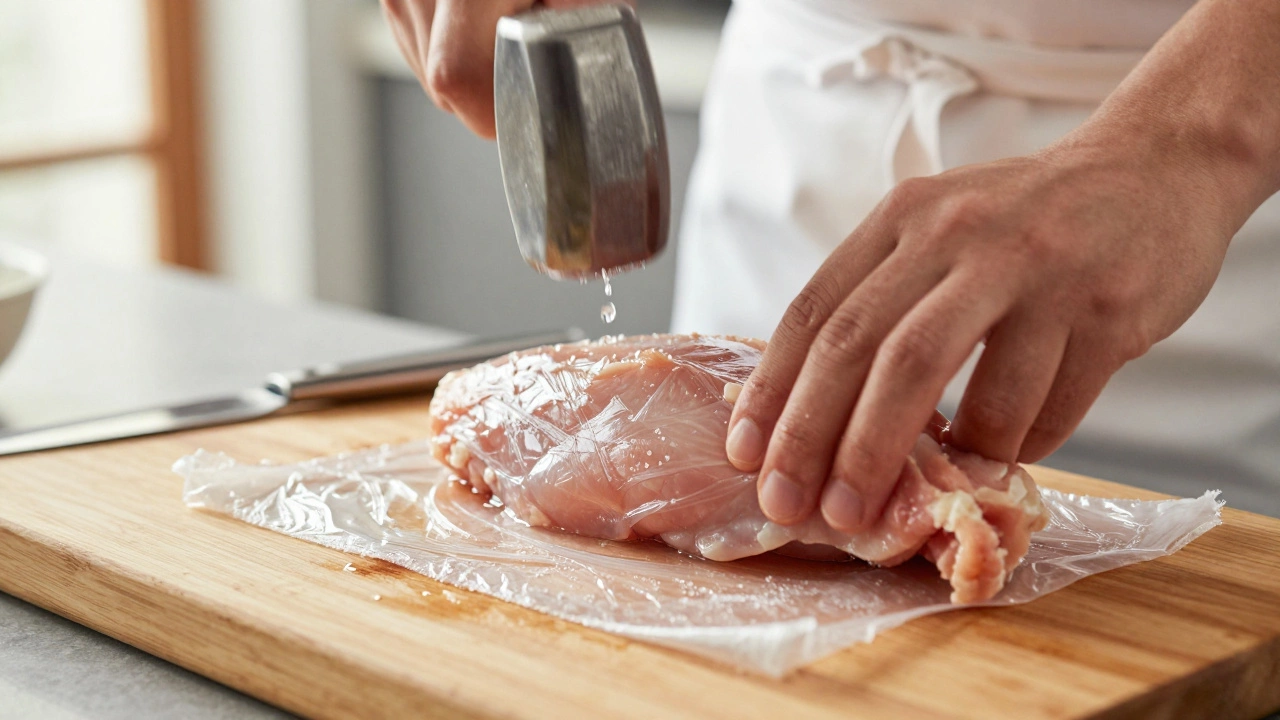
Thick chicken breasts cook unevenly. The thin edges dry out before the thick center reaches temperature. Chefs fix this by pounding. Place the breast between two sheets of plastic wrap and hit it gently with a rolling pin or meat mallet until it’s an even ½-inch thick. It takes 30 seconds. The result? Faster, more even cooking. No more dry outsides and raw middles.
Pro tip: If you’re cooking bone-in chicken, you can’t pound it. But you can butterfly it. Slice horizontally through the thickest part, almost all the way through, then open it like a book. Now it’s flat. Same result.
Low and Slow, Then Sear
Most home cooks turn the heat up high right away. That’s fine for searing steak, but chicken needs patience. Start with a low oven-300°F (150°C)-for 20-25 minutes. Let the heat creep in slowly. Then crank it to 425°F (220°C) for the last 5-10 minutes to crisp the skin. You get tender meat with a golden crust.
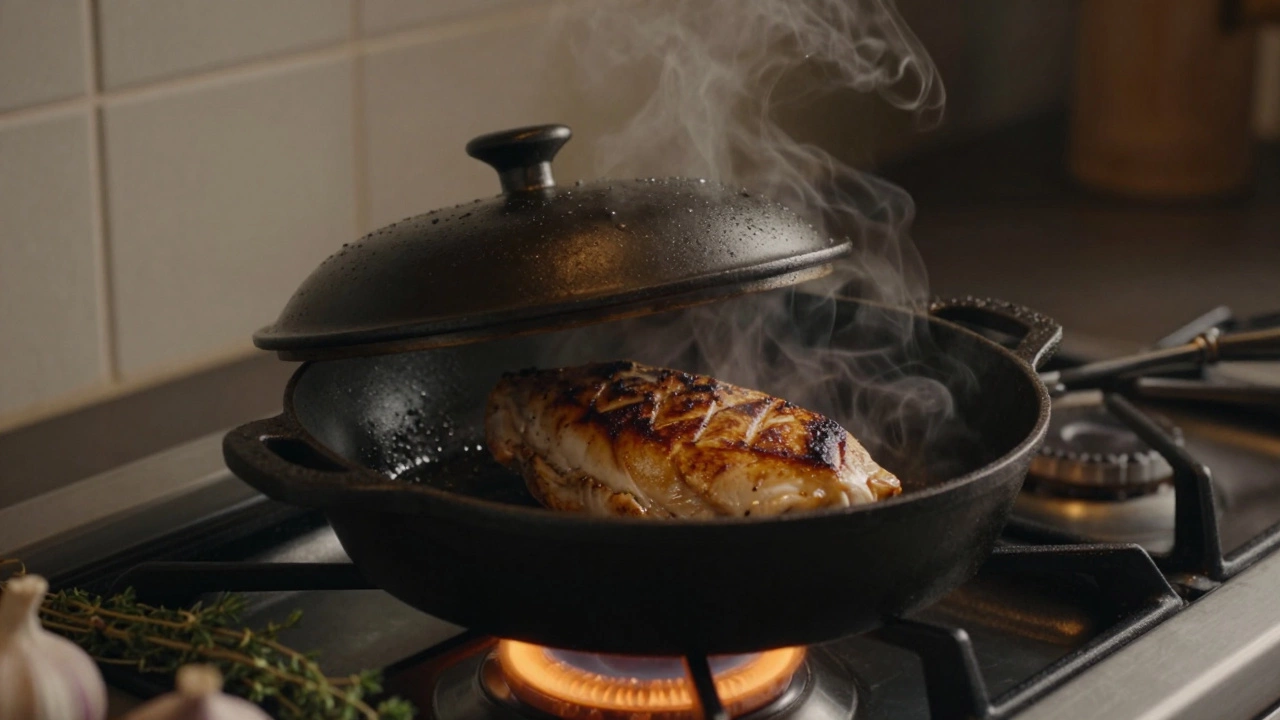
Or go the stovetop route. Heat a heavy pan-cast iron works best-over medium-low. Add a little oil. Put the chicken in. Cover the pan with a lid or foil. The trapped steam gently cooks the meat from all sides. After 12 minutes, uncover, turn the heat up, and sear until browned. This is the method used in French bistro kitchens. It’s called poêlée.
Resting Isn’t Optional
Take chicken out of the oven or pan and walk away. For at least 5 minutes. Cover it loosely with foil. This isn’t about keeping it warm. It’s about letting the juices redistribute. If you cut into it right away, all that moisture spills out onto the plate. Rest it, and the chicken holds onto it. You’ll notice the difference in texture-juicier, more cohesive, less watery.
Think of it like a sponge. Squeeze it, water flies everywhere. Let it sit, and it reabsorbs. Chicken’s the same.
Don’t Forget the Marinade
Marinades don’t tenderize like brining does. Acid (lemon juice, vinegar, yogurt) breaks down surface proteins, but it doesn’t penetrate deep. Still, they add flavor and help with browning. A good marinade for chicken includes oil, acid, salt, and aromatics. Yogurt is especially good-it’s mild, contains enzymes that gently break down fibers, and keeps the meat moist. Marinate for 2-4 hours. Overnight is fine, but no longer. Acid can turn the surface mushy if left too long.
One trick: Use buttermilk. It’s what Southern fried chicken masters swear by. The lactic acid tenderizes without making the chicken sour. Soak chicken pieces for 6-12 hours. Rinse before cooking if you want crisp skin.
Use a Thermometer-No Excuses
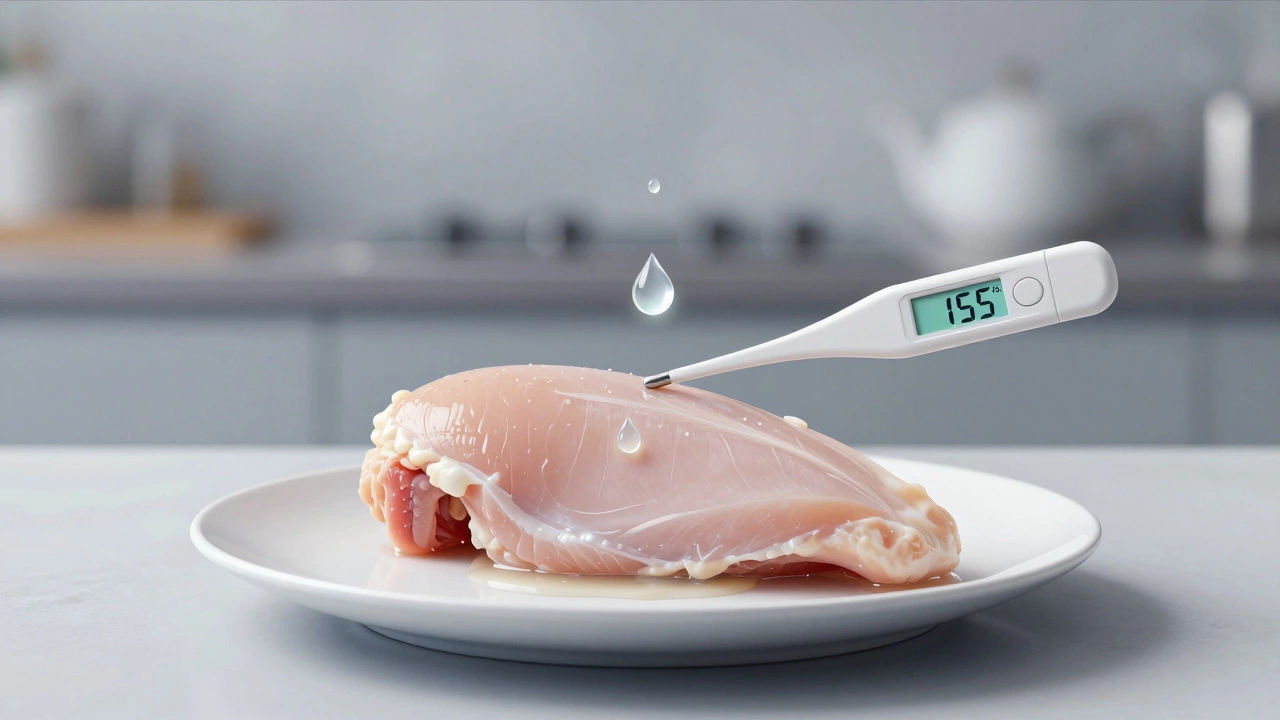
You don’t need to guess. A $15 digital thermometer is the most important tool in your kitchen for chicken. Insert it into the thickest part, avoiding bone. Pull the chicken at 155°F. Let it rest. It’ll climb to 165°F. You’ll get perfect doneness every time. No more cutting into it to check. No more dry chicken.
Check the temperature early. Don’t wait until you think it’s done. Chicken cooks fast once it hits 140°F. Set a timer for 10 minutes before you think it’s ready. That’s when you start checking.
What Chefs Don’t Tell You
Some chefs use a technique called spatchcocking-removing the backbone and flattening the whole chicken. It cooks in 30 minutes, evenly, with crispy skin. You can do this with a pair of kitchen shears. It’s not hard. And it’s the fastest way to get tender, juicy chicken for four people.
Another secret? Sous-vide. Cook chicken in a water bath at 145°F for 1-2 hours. Then sear it fast. The result? Perfectly tender, never dry. It sounds fancy, but you don’t need a fancy machine. A pot of water, a zip-top bag, and a thermometer will do. Just make sure the water stays steady. Use a thermometer to monitor it.
And yes, some restaurants inject chicken with broth or seasoning. It’s not magic. It’s science. But you can skip that. Brining and resting do the same thing without equipment.
Real Results, Real Fast
Try this: Take two chicken breasts. Brine one for 30 minutes. Leave the other plain. Cook both the same way-pan-seared, then rested. Taste them side by side. The brined one will be noticeably juicier, more flavorful. That’s not opinion. That’s physics.
Next time you cook chicken, skip the fear. Don’t overcook. Don’t rush. Use salt, use heat control, use time. You don’t need a fancy kitchen. You just need to understand how chicken behaves. Once you do, you’ll never serve dry chicken again.