
Low-Carb Grain & Food Calculator
Note: "Net Carbs" are calculated as Total Carbohydrates minus Dietary Fiber. This tool helps determine if specific portions fit within common dietary limits like Keto (typically 20-50g net carbs/day). Individual metabolic responses vary.
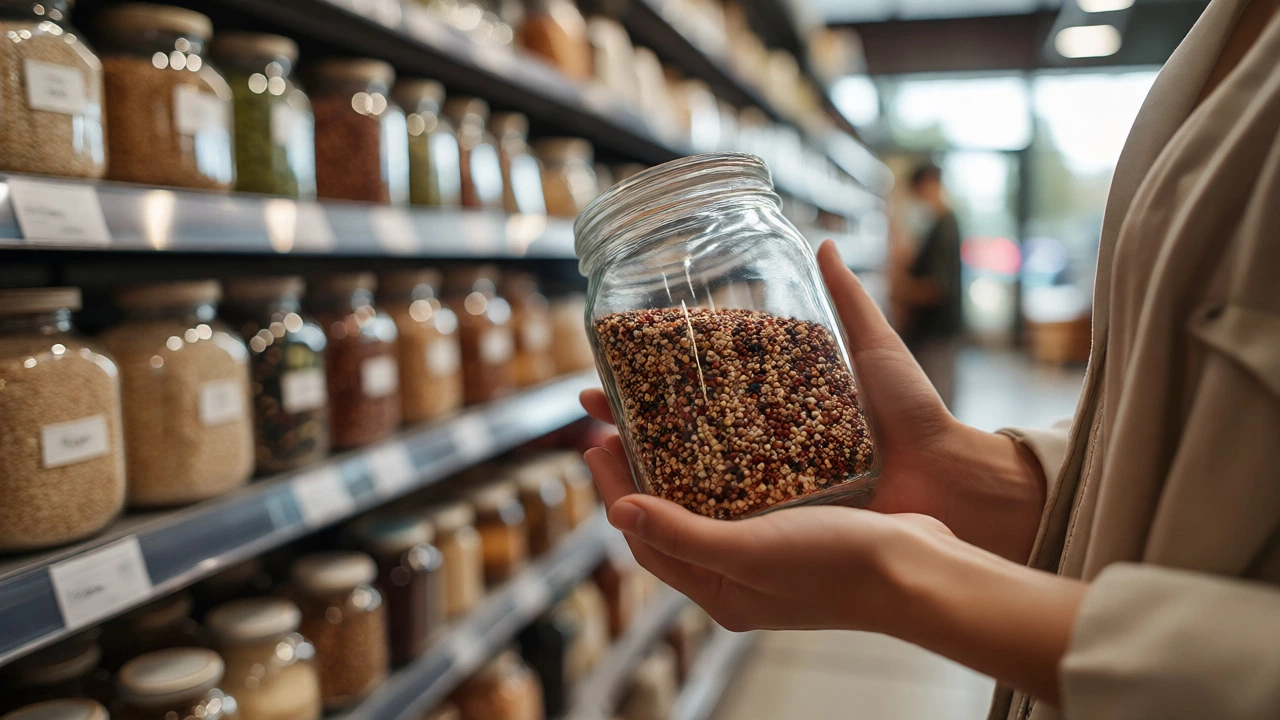
You stare at the bag of Quinoa in the grocery aisle. It looks like a grain, it cooks like a grain, and everyone says it’s healthy. But if you’re trying to cut sugar or follow a low-carb plan, you might be wondering: is this thing actually a carb? The short answer is yes, but not in the way you think. Unlike white rice or pasta, quinoa brings fiber and protein to the table, which changes how your body processes those carbohydrates.
This distinction matters because "carbohydrate" isn’t a single villain. Some carbs spike your blood sugar fast; others provide steady energy. If you are on a strict ketogenic diet, quinoa might knock you out of ketosis. But if you are doing moderate low-carb eating, it can fit perfectly. Let’s break down exactly what’s inside quinoa so you can decide if it belongs in your kitchen.
The Nutritional Breakdown of Quinoa
To understand if quinoa fits your diet, we need to look at the numbers. One cup of cooked quinoa contains about 39 grams of total carbohydrates. That sounds high until you subtract the fiber. Quinoa has roughly 5 grams of dietary fiber per cup. When you remove that fiber, you are left with about 34 grams of net carbs.
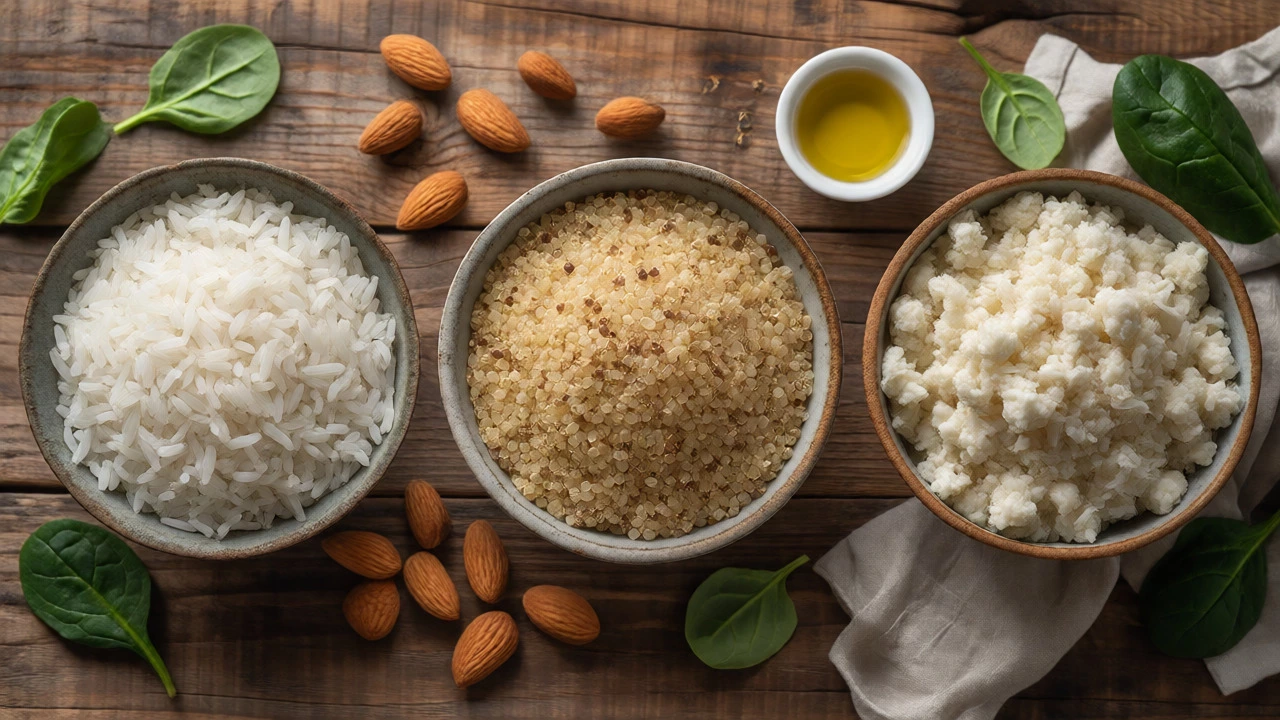
Compare this to brown rice, which has about 45 grams of net carbs per cup, or white rice, which hits 50 grams. Quinoa is lower in net carbs than most common grains. Why does this matter? Fiber slows down digestion. This means the glucose from quinoa enters your bloodstream more gradually than the glucose from refined grains. You get less of an insulin spike, which is crucial for weight management and energy stability.
Beyond carbs, quinoa is unique among plant foods. It is a complete protein, meaning it contains all nine essential amino acids. Most grains lack lysine, an amino acid vital for muscle repair. Quinoa provides both. A single cup delivers 8 grams of protein. For vegetarians or anyone reducing meat intake, this makes quinoa a powerful tool. It also packs magnesium, iron, and manganese, nutrients often missing from standard Western diets.
Is Quinoa Keto-Friendly?
If you follow the ketogenic diet, you typically limit net carbs to 20-50 grams per day. Here is where things get tricky. One cup of quinoa uses up almost your entire daily carb allowance if you are on the stricter end of keto. Eating a full bowl could kick you out of ketosis, the metabolic state where your body burns fat for fuel instead of sugar.
Does this mean you must banish quinoa forever? Not necessarily. You just need to change your portion size. Instead of a full cup, try half a cup. That gives you roughly 17 grams of net carbs. Pair it with healthy fats like avocado or olive oil to slow absorption further. Some people find they can tolerate small amounts without losing ketosis, while others cannot. Know your body. If you feel foggy or hungry after eating it, skip it.
| Food Item | Total Carbs (g) | Fiber (g) | Net Carbs (g) | Protein (g) |
|---|---|---|---|---|
| Quinoa | 39 | 5 | 34 | 8 |
| Brown Rice | 45 | 3.5 | 41.5 | 5 |
| White Rice | 45 | 0.6 | 44.4 | 4.3 |
| Cauliflower Rice | 5 | 2 | 3 | 2 |
| Shirataki Noodles | 1 | 0 | 1 | 0 |
As the table shows, cauliflower rice is the true low-carb winner here. If you want the texture of grains without the carb load, swap quinoa for cauliflower rice. You lose some protein, but you save massive amounts of carbs. This trade-off is often worth it for strict dieters.
How Quinoa Compares to Other "Low-Carb" Grains
People often confuse whole grains with low-carb grains. They aren’t the same. Whole grains retain the bran and germ, adding fiber and nutrients. Low-carb grains have significantly fewer digestible carbs. Quinoa sits in the middle. It is a whole grain pseudo-cereal, but it is not low-carb by definition.
Consider amaranth and buckwheat. Like quinoa, these are gluten-free seeds prepared like grains. Amaranth has even more protein than quinoa but similar carb counts. Buckwheat is higher in carbs than quinoa. If you are looking for alternatives, look toward non-grain options. Chia seeds, flaxseeds, and hemp hearts offer high fiber and healthy fats with minimal net carbs. These are better choices for keto or very low-carb lifestyles.
Why do health blogs push quinoa so hard? Because it is nutrient-dense. For someone who eats a balanced diet with moderate carbs, quinoa is superior to wheat or corn. It offers more micronutrients and less inflammatory potential. But if your goal is rapid weight loss via carb restriction, density doesn’t outweigh quantity. You still have to count every gram.
Cooking Tips to Lower the Glycemic Impact
How you cook and eat quinoa affects how your body handles the carbs. Rinsing quinoa before cooking removes saponins, the bitter coating that can cause digestive upset. More importantly, cooling cooked quinoa increases its resistant starch content. Resistant starch acts like fiber-it passes through digestion undigested. This lowers the effective carb count and feeds good gut bacteria.
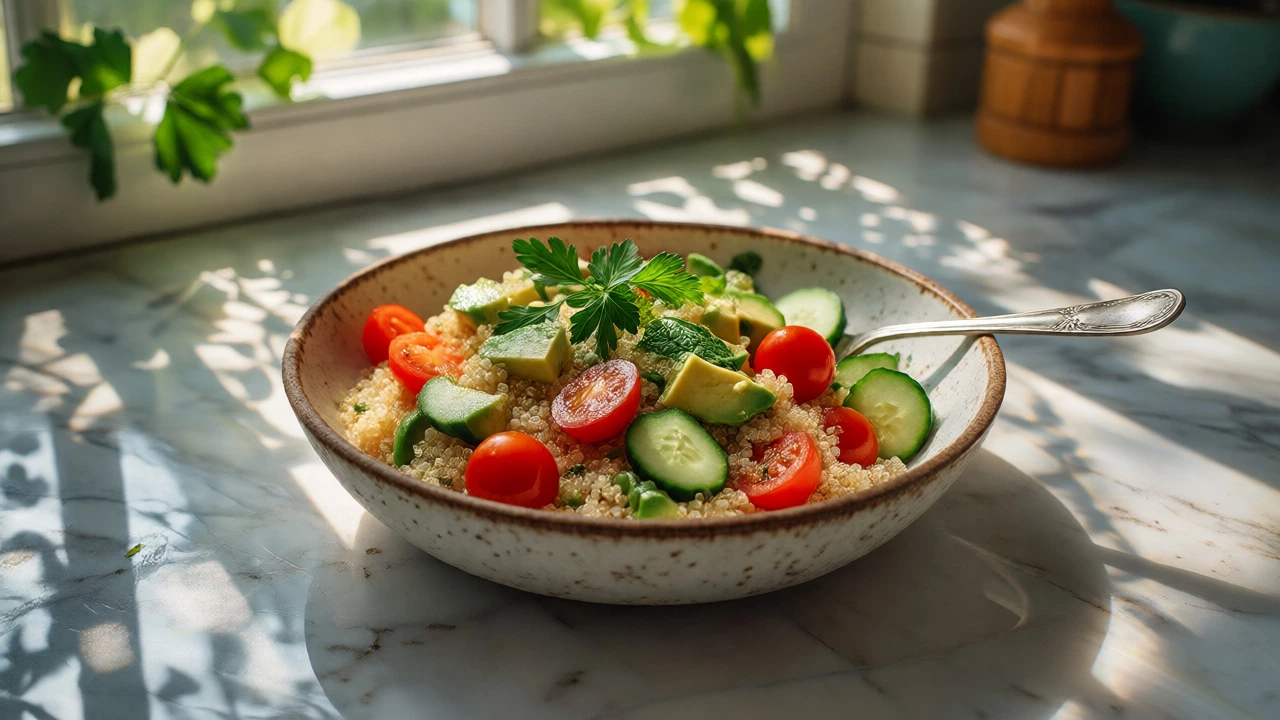
Try making a cold quinoa salad. Cook the quinoa, let it cool completely, then toss it with leafy greens, nuts, and olive oil. The combination of fat, protein, and cooled starch blunts the blood sugar response. You get the flavor and texture without the crash later. Hot, freshly cooked quinoa digests faster, leading to a quicker rise in blood glucose.
Another trick: mix quinoa with lower-carb vegetables. Use zucchini noodles or spaghetti squash as a base, then add a quarter cup of quinoa for texture and protein. You stretch the serving size while keeping total carbs low. This method lets you enjoy quinoa’s nutty flavor without blowing your daily limit.
Who Should Eat Quinoa and Who Should Avoid It
If you are active, train regularly, or follow a Mediterranean-style diet, quinoa is an excellent choice. Your muscles use glycogen efficiently, so those carbs serve a purpose. The high protein content aids recovery after workouts. The fiber keeps you full longer, preventing overeating later in the day.
If you have insulin resistance, type 2 diabetes, or are strictly ketogenic, proceed with caution. Monitor your blood sugar levels after eating quinoa. Everyone responds differently. Some diabetics handle 30 grams of carbs fine; others see spikes from 15 grams. Keep a food diary. Track how you feel one hour after eating. If you feel tired or shaky, reduce the portion or switch to cauliflower rice.
Those with gluten sensitivities will appreciate quinoa. It is naturally gluten-free, unlike wheat, barley, or rye. However, ensure you buy certified gluten-free quinoa to avoid cross-contamination during processing. This makes it safe for celiac patients and those with non-celiac gluten sensitivity.
Frequently Asked Questions
Is quinoa healthier than rice?
Generally, yes. Quinoa has more protein, more fiber, and a lower glycemic index than white rice. Compared to brown rice, it offers similar benefits but is easier to digest for many people due to its different structure. It also contains all essential amino acids, which rice lacks.
Can I eat quinoa on a keto diet?
It is difficult. One cup of quinoa has about 34 grams of net carbs, which exceeds the typical daily limit for strict keto (20-50 grams). You can include it only in very small portions (1/4 cup) and track your macros carefully, but most keto dieters prefer cauliflower rice or shirataki noodles.
Why does quinoa taste bitter sometimes?
This is caused by saponins, a natural protective coating on the seed. While manufacturers often rinse quinoa before packaging, residue remains. Always rinse quinoa thoroughly under cold water using a fine-mesh strainer before cooking to remove this bitterness.
Is quinoa good for weight loss?
Yes, for most people. Its high protein and fiber content increase satiety, helping you eat fewer calories overall. However, it is calorie-dense compared to vegetables, so portion control is key. It works best when replacing refined grains like white bread or pasta.
What is the difference between white, red, and black quinoa?
Nutritionally, they are very similar. White quinoa is softer and milder. Red and black varieties have slightly more fiber and antioxidants, giving them a nuttier, earthier taste and firmer texture. Black quinoa takes slightly longer to cook.