
Slow Cooker Time & Setting Calculator
Convert between Low and High settings instantly and get tailored advice for your specific cut of meat.
Recommendations
Recommended Setting:
Target Internal Temp:
Equivalent Cooking Times:
Pro Tip:
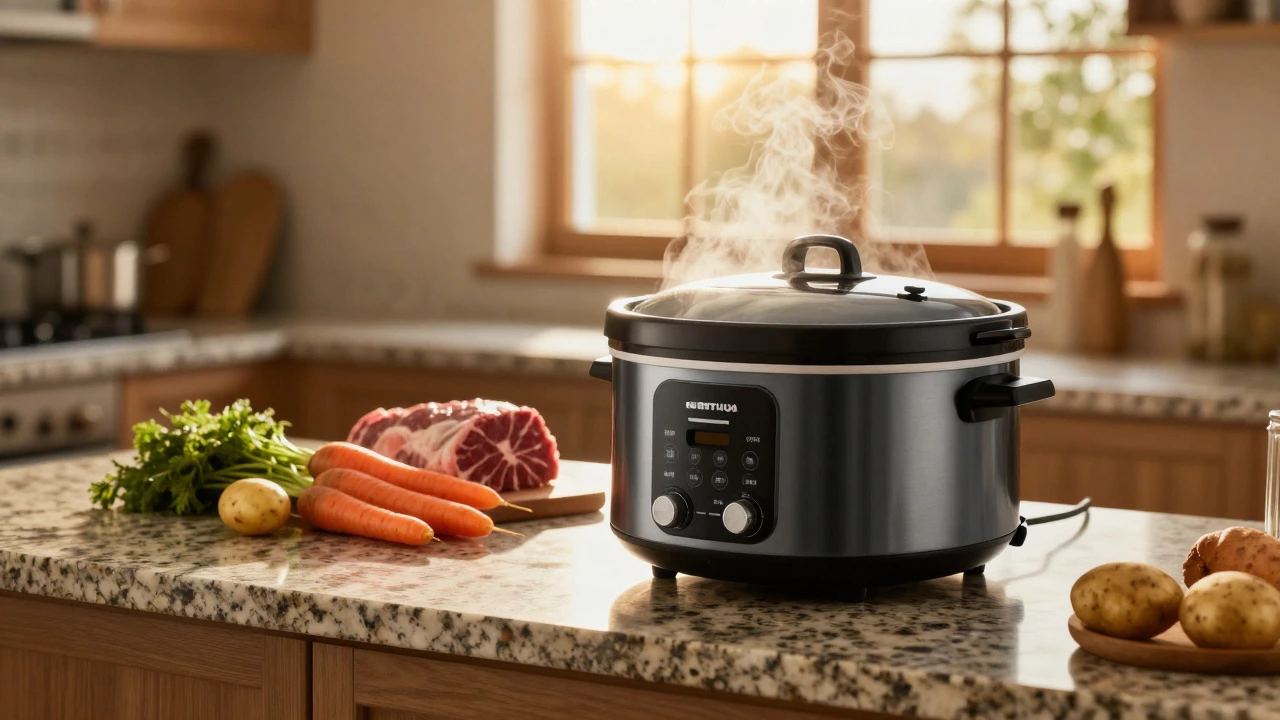
There is something deeply satisfying about coming home to the smell of a meal that has been gently simmering all day. You walk through the door, drop your keys, and are greeted by the aroma of rich tomato sauce or tender beef stew. No panic, no chopping at 6 PM, no standing over a hot stove while the house gets stuffy. This is the magic of the slow cooker, also known as a Crock-Pot.
But if you’ve never used one before, it can feel like stepping into a dark room. What temperature do I set? Do I need to add water? Can I put frozen meat in there? It’s easy to make mistakes that lead to mushy vegetables or dry chicken. But don’t worry. Mastering this appliance is simpler than learning to chop an onion properly. Once you understand the basic rules, you’ll wonder why you ever cooked any other way.
Understanding Your Appliance
Before we throw ingredients in the pot, let’s look at what you’re actually working with. A slow cooker is an electrical kitchen appliance designed to cook food slowly at low temperatures over a long period. Unlike a pressure cooker, which uses steam and high pressure to speed up cooking, a slow cooker relies on gentle, consistent heat. Think of it as a digital sous-vide machine that fits on your countertop and costs a fraction of the price.
Most modern slow cookers have three settings: Low, High, and Warm. Here is what they actually mean:
- Low (190°F / 88°C): This setting is ideal for longer cooks, typically 7 to 10 hours. It’s perfect for tough cuts of meat like chuck roast or pork shoulder, where collagen needs time to break down into gelatin. If you’re at work all day, this is your go-to setting.
- High (300°F / 150°C): This cooks food twice as fast as Low. Use this for meals that need to be ready in 3 to 4 hours, or for foods that don’t benefit from long, slow breakdowns, like delicate fish or quick-cooking vegetables.
- Warm (165-175°F / 74-80°C): This isn’t a cooking setting. It keeps food safe to eat after it’s done. Never try to cook a full meal on Warm; it will take forever and likely result in uneven heating.
A common myth is that Low and High produce different results. In reality, they reach the same internal temperature eventually. The difference is purely time. As a general rule, 1 hour on High equals roughly 2 hours on Low. So, if a recipe calls for 4 hours on High, you can usually double that to 8 hours on Low without changing the outcome.
The Golden Rules of Slow Cooking
Slow cooking is forgiving, but it’s not magic. To get restaurant-quality results every time, you need to follow a few core principles. These aren’t just suggestions; they are the physics of how heat moves through dense liquids and solids.
1. Brown Your Meat First
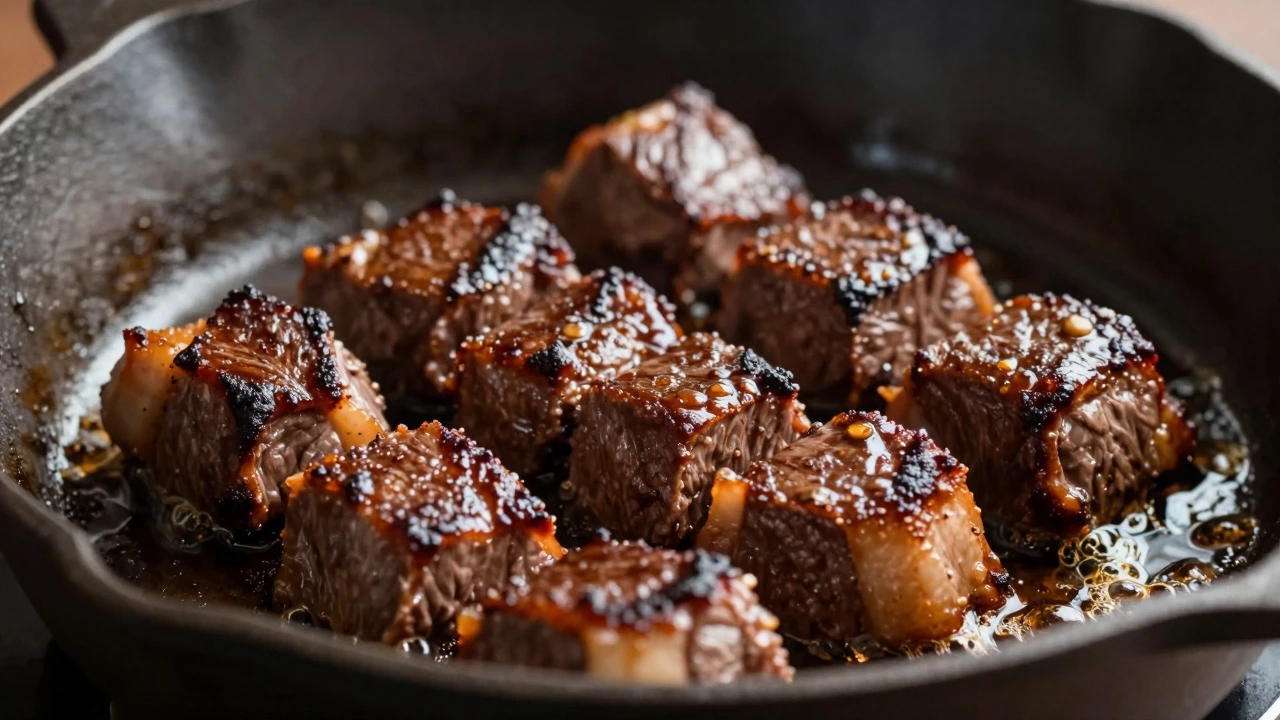
I know, I know. The whole point of a slow cooker is convenience. But skipping the sear is the number one reason slow cooker meals taste "boiled" rather than "braised." When you brown meat in a hot pan with oil before adding it to the pot, you trigger the Maillard reaction. This chemical process creates hundreds of new flavor compounds that give your dish depth, richness, and that savory umami punch.
You don’t need a fancy cast-iron skillet. A non-stick pan works fine. Just pat the meat dry with paper towels, season it generously, and sear it for 2-3 minutes per side until it has a deep brown crust. Then transfer it to the slow cooker. Yes, you’ll have to wash a pan. Is it worth it? Absolutely.
2. Don’t Overfill the Pot
Your slow cooker needs space to circulate heat. If you pack it to the brim, the food in the center won’t cook evenly, and the lid might not seal properly, causing steam to escape. Conversely, if the pot is less than half full, the food might burn because there isn’t enough liquid to create steam. Aim to fill your slow cooker between one-half and two-thirds full. If you have a large family but only a small amount of food, use a smaller insert or a different cooking method.
3. Keep the Lid On
This seems obvious, but it’s the most common mistake beginners make. Every time you lift the lid, you lose about 15 to 20 minutes of cooking time. Slow cookers rely on trapped steam to maintain temperature. Lifting the lid lets that heat escape, forcing the appliance to work harder to catch back up. Only open the lid when absolutely necessary, such as to stir in sensitive ingredients near the end of the cook.
4. Choose the Right Cut of Meat
Not all meat is created equal for slow cooking. You want cuts that are tough and marbled with fat. Why? Because slow cooking breaks down connective tissue (collagen) into gelatin, making tough meat incredibly tender. Lean cuts like chicken breast or sirloin steak will dry out and become stringy if cooked for more than a few hours.
Stick to these favorites:
- Beef: Chuck roast, brisket, short ribs.
- Pork: Pork shoulder (butt), country-style ribs.
- Lamb: Shoulder, shanks.
- Poultry: Chicken thighs (bone-in or boneless), turkey legs.
Managing Liquid and Vegetables
One of the biggest questions beginners ask is, "Do I need to add water?" The answer is usually no. Slow cookers trap moisture, so the natural juices from the meat and vegetables are often enough. Adding too much liquid leads to watery, diluted flavors. Instead of water, use broth, wine, beer, or canned tomatoes to build flavor.
If a recipe does call for liquid, start with less than recommended. You can always add more later, but you can’t take it out. A good rule of thumb is to reduce the liquid by 25% compared to a stovetop recipe.
Vegetables also require strategy. Dense root vegetables like potatoes, carrots, and parsnips hold up well to long cooking times. Place them at the bottom of the pot so they sit in the hottest part of the cooker. Delicate vegetables like zucchini, spinach, peas, and bell peppers will turn to mush if added at the beginning. Add these in the last 30 to 60 minutes of cooking, or serve them raw on top as a garnish.
Safety First: Keeping Food Out of the Danger Zone
Food safety is critical when using a slow cooker. The USDA defines the "danger zone" as temperatures between 40°F and 140°F (4°C and 60°C), where bacteria multiply rapidly. Your slow cooker must bring food to a safe internal temperature quickly enough to avoid this zone.
Here are some safety tips to keep in mind:
- Don’t thaw meat on the counter before putting it in the cooker. If you’re using frozen meat, ensure your slow cooker is powerful enough to handle it. Some experts recommend against cooking large roasts from frozen due to the risk of staying in the danger zone too long. For smaller items like ground beef patties or chicken breasts, frozen is usually fine, but add 1-2 hours to the cook time.
- Use a meat thermometer. Don’t guess. Chicken should reach 165°F (74°C), pork 145°F (63°C) with a rest, and beef stew meat around 195°F (90°C) for tenderness.
- Keep the lid on during transport. If you’re taking the slow cooker to a party, keep the lid on until you arrive. Removing it during transit causes rapid cooling.
Cleaning and Maintenance
One of the best things about a slow cooker is how easy it is to clean. Most models come with a removable ceramic or stoneware insert that is dishwasher safe. However, hand washing is often better for longevity.
If food is stuck to the bottom, fill the insert with warm soapy water and let it soak for 15-30 minutes. The residue will loosen easily. Avoid using abrasive scrubbers on the ceramic, as they can scratch the surface and make it more prone to staining in the future.
For the heating base, simply wipe it down with a damp cloth. Never submerge the base in water, as it contains electrical components. Also, check the power cord regularly for frays or damage. If the cord looks worn, replace the unit to prevent fire hazards.
Beginner-Friendly Recipe Ideas
Now that you know the rules, here are three foolproof recipes to get you started. These dishes are forgiving, delicious, and showcase the strengths of slow cooking.
1. Classic Beef Stew
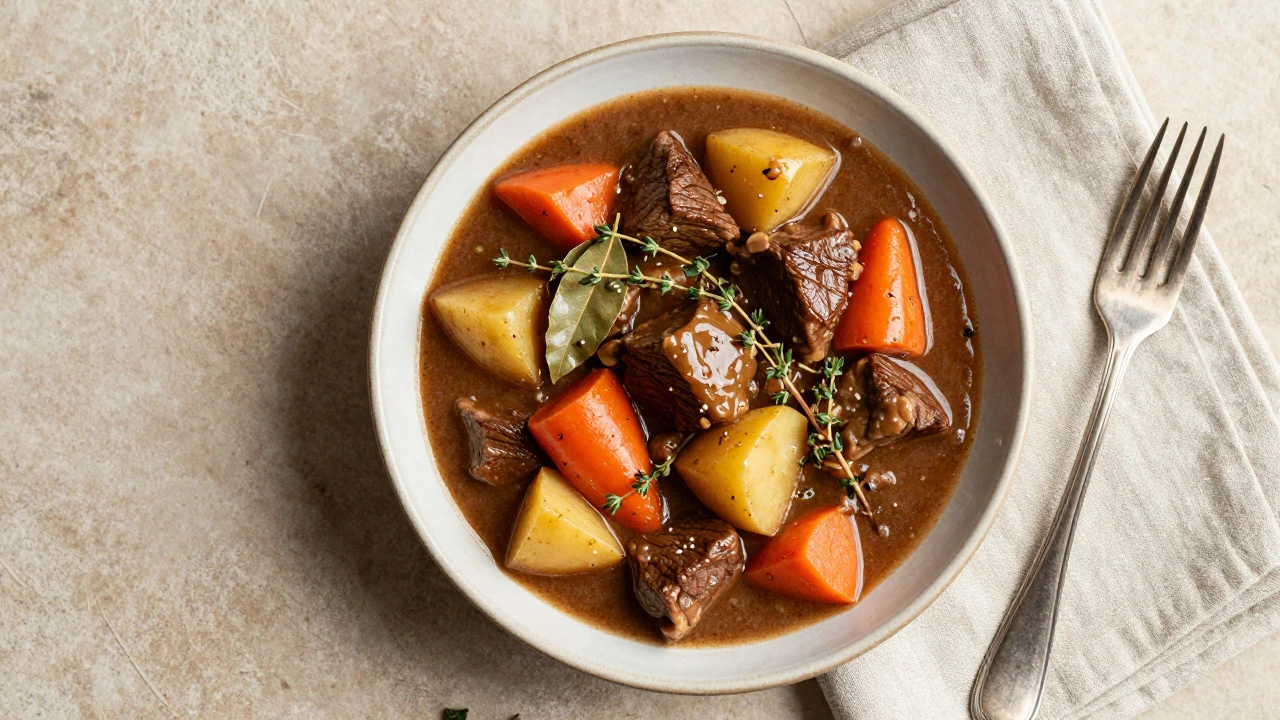
This is the ultimate comfort food. Cube 2 pounds of beef chuck roast. Sear in batches in a hot pan with oil. Transfer to the slow cooker. Add 3 cups of beef broth, 4 diced carrots, 3 diced potatoes, 1 diced onion, and 2 cloves of minced garlic. Season with salt, pepper, thyme, and bay leaves. Cook on Low for 8 hours. Remove bay leaves before serving. The result is fork-tender beef in a rich, flavorful gravy.
2. Pulled Pork Sandwiches
Place a 3-4 pound pork shoulder in the slow cooker. Pour over 1 cup of apple cider vinegar, 1 cup of barbecue sauce, 2 tablespoons of brown sugar, and 1 teaspoon of smoked paprika. Cook on Low for 8 hours. Shred the pork with two forks, mixing in some of the cooking juices. Serve on brioche buns with coleslaw. This recipe is nearly impossible to mess up.
3. Creamy Tomato Soup
Add 2 cans of crushed tomatoes, 1 can of tomato paste, 1 diced onion, 3 cloves of garlic, 1 cup of vegetable broth, and a pinch of sugar to the slow cooker. Cook on Low for 4 hours. Blend until smooth using an immersion blender. Stir in 1 cup of heavy cream or coconut milk in the last 30 minutes. Perfect with grilled cheese sandwiches.
Can I put frozen meat in a slow cooker?
Yes, but with caution. Small pieces of meat like ground beef or chicken breasts can go in frozen, but you should add 1-2 hours to the cooking time. Large roasts or whole chickens should be thawed first to ensure they pass through the bacterial danger zone quickly enough. Always use a meat thermometer to verify safety.
Should I add water to my slow cooker?
Usually, no. Slow cookers trap steam, so the natural juices from meat and vegetables are often sufficient. Adding too much water dilutes flavors. Use flavorful liquids like broth, wine, or beer instead. If a recipe calls for water, consider reducing the amount by 25% to concentrate the taste.
What is the difference between Low and High settings?
The main difference is time. Low cooks at approximately 190°F (88°C) and takes 7-10 hours, while High cooks at 300°F (150°C) and takes 3-4 hours. Both settings reach the same final internal temperature. As a rule of thumb, 1 hour on High is equivalent to 2 hours on Low.
Why is my slow cooker food dry?
Dry food usually results from using lean cuts of meat like chicken breast or sirloin, which lack the fat and connective tissue needed to stay moist during long cooking. Alternatively, you may have cooked it too long or on too high a setting. Stick to tougher, fattier cuts like pork shoulder or beef chuck for best results.
When should I add vegetables to a slow cooker?
Dense root vegetables like potatoes, carrots, and onions can be added at the beginning. Delicate vegetables like zucchini, spinach, peas, and bell peppers should be added in the last 30-60 minutes of cooking to prevent them from turning to mush. Placing hard veggies at the bottom helps them cook evenly.