

Meat Reintroduction Timeline Planner
Your Progress
Your Weekly Action Plan
Week 1: Introduction
Gentle Start- ✓ Eggs or white fish 2x/week
- ✓ Small shredded chicken portions
- ✓ Keep other meals vegetarian
- ✓ Focus on hydration & fiber
Week 2: Expansion
Building Up- ✓ Poultry 3x/week
- ✓ Mild red meat stew (slow-cooked)
- ✓ Try baking chicken thighs
- ✓ Poached salmon experiment
Week 3: Variety
Diversifying- ✓ Darker meats (turkey, duck)
- ✓ Small doses of organ meats
- ✓ Increase portion sizes slightly
- ✓ Monitor energy levels closely
Week 4: Normalization
Balanced- ✓ Regular meat consumption
- ✓ Balance poultry, fish, red meat
- ✓ Add fermented foods (yogurt)
- ✓ Fine-tune based on cravings
Personalized Advice for Your Stage
Common Pitfalls to Avoid Right Now
Start with 3–4 oz servings only.
Keep eating veggies to prevent constipation.
Protein metabolism requires extra water.
So you’ve decided it’s time to bring meat back into your diet. Maybe you’re feeling low on energy, struggling with hair loss, or just craving the comfort of a proper roast dinner. Whatever your reason, going from years of plant-based eating to including animal protein is a big shift for your body. Your gut microbiome has changed, your enzyme production might be different, and your palate has likely become sensitive to strong flavors.
The good news? You don’t need to go cold turkey (pun intended) by chowing down on a steak immediately. In fact, doing that often leads to digestive distress and regret. The key is patience, strategy, and listening to your body. This guide will walk you through exactly how to reintroduce eating meat again without the bloating, nausea, or guilt that often accompanies this transition.
Why Your Body Needs Time to Adjust
When you stop eating meat, your body adapts. It reduces the production of hydrochloric acid in the stomach because it doesn’t need as much to break down dense proteins. It also shifts its gut bacteria to favor fermenting fibers and plants over digesting animal fats and proteins. If you suddenly introduce a large amount of red meat, your digestive system can feel like it’s been hit by a truck.
You might experience bloating, gas, constipation, or even nausea. This isn’t necessarily an allergy or intolerance; it’s just your system waking up from a long nap. Think of it like starting a new exercise routine. You wouldn’t run a marathon on day one. You’d start with a walk, then a jog, then build up mileage. The same logic applies here.
To minimize shock, start small. Choose leaner meats first, cook them thoroughly, and pair them with fiber-rich vegetables to help move things along. Give your body at least two weeks to adjust before increasing portion sizes or trying richer cuts.
Choosing the Right Meats to Start With
Not all meats are created equal when it comes to re-entry. Some are easier to digest than others, and some offer better nutritional bang for your buck. Here’s how to pick your first few meals:
- Poultry: Chicken and turkey are generally the easiest to digest. They’re leaner than red meat and less fatty, which means less strain on your gallbladder and liver. Opt for white meat (breasts) initially rather than dark meat (thighs/drumsticks), as they contain less fat.
- Fish: White fish like cod, haddock, or tilapia are gentle on the stomach and rich in high-quality protein and omega-3 fatty acids. Fatty fish like salmon are also great but introduce more oil, so save those for week two or three.
- Eggs: While not muscle meat, eggs are an excellent bridge. They’re packed with choline, B12, and complete protein, and most vegetarians already eat them. If you were vegan, eggs are a perfect first step.
- Avoid Heavy Red Meats Initially: Steer clear of beef, lamb, and pork chops for the first few weeks. These are harder to digest due to their density and fat content. Wait until your stomach acid levels have naturally increased.
If you want to try red meat early, opt for ground beef or bison mixed with vegetables. Grinding breaks down the muscle fibers, making it easier for your enzymes to work. Avoid tough steaks or roasts until you’re confident in your digestion.
Cooking Methods That Make a Difference
How you prepare your meat matters just as much as what you choose. Raw or undercooked meat is much harder to digest because your body has to do more work breaking down the connective tissues. When reintroducing meat, aim for methods that tenderize and pre-digest the food for you.
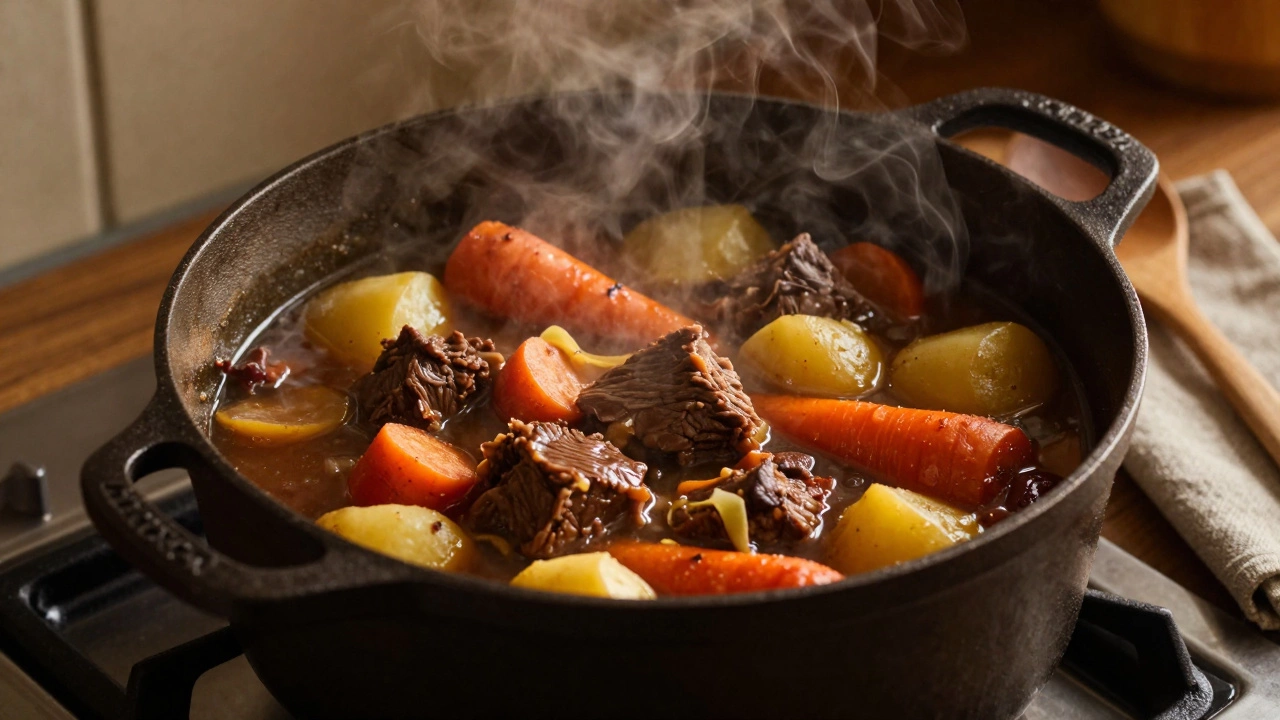
Braising and stewing are your best friends right now. Cooking meat slowly in liquid (like a chicken soup or beef stew) breaks down collagen into gelatin, which is soothing for the gut lining and easy to absorb. Poaching chicken or fish in water or broth is another gentle option. Baking or grilling is fine too, as long as you don’t char the meat heavily-burnt edges can irritate the stomach.
Avoid deep-frying. Fried foods are heavy, greasy, and hard to process, especially if your body isn’t used to producing enough bile to emulsify fats. Stick to simple seasoning: salt, pepper, herbs, and maybe a little olive oil. Skip heavy marinades with lots of sugar or acidic ingredients like vinegar, which can upset your stomach if you’re not used to them.
Nutritional Gaps to Fill
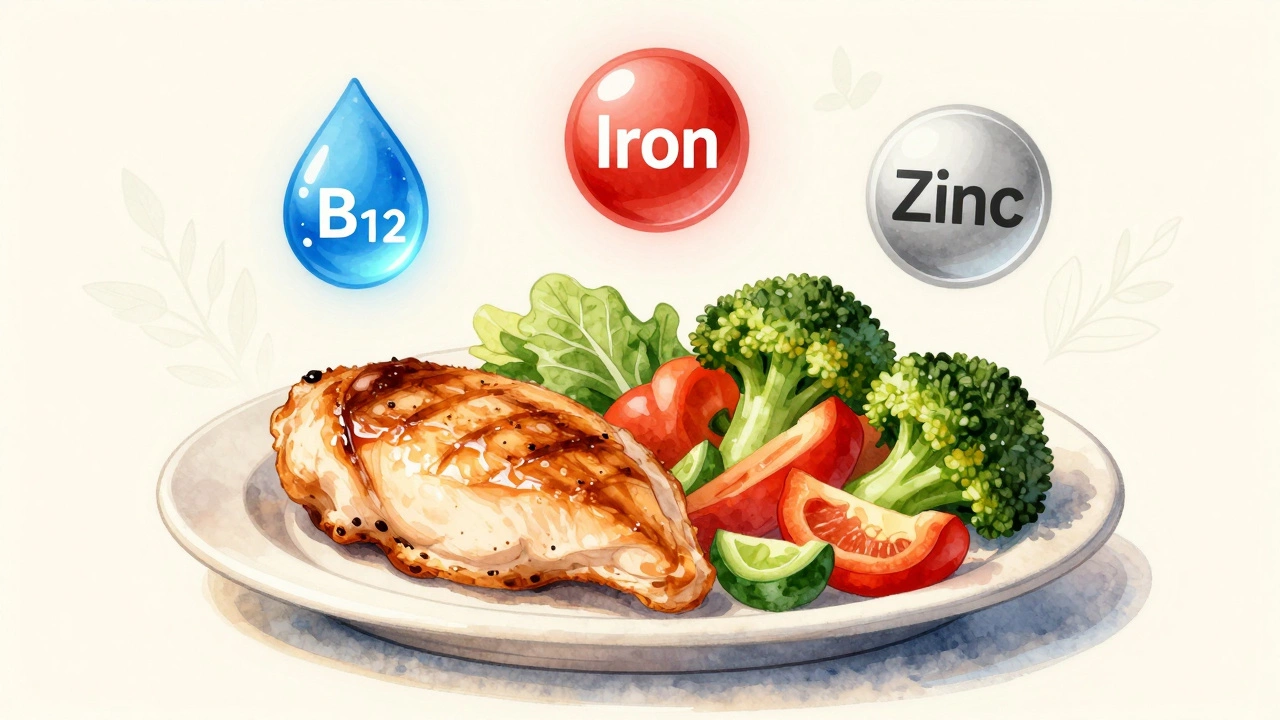
One of the main reasons people return to eating meat is to address nutrient deficiencies. Vegetarian diets can sometimes lack sufficient amounts of Vitamin B12, iron, zinc, and complete protein. Meat is a dense source of these nutrients, but you shouldn’t rely on it alone to fix everything overnight.
Vitamin B12: Found almost exclusively in animal products, B12 is crucial for nerve function and blood formation. If you’ve been supplementing, keep doing so for now while your body adjusts to dietary sources. Liver is the richest source, but it’s potent and strong-tasting. Start with smaller portions of chicken or fish, which have moderate B12 levels.
Heme Iron: Plant-based iron (non-heme) is harder for the body to absorb. Heme iron from meat is absorbed much more efficiently. Pair your meat meals with vitamin C-rich foods like bell peppers, citrus, or tomatoes to boost absorption further. However, don’t overdo it-excessive iron can cause constipation, which is already a risk when transitioning.
Zinc: Important for immunity and wound healing. Oysters are the king of zinc, but shellfish can be tricky for beginners. Beef and pumpkin seeds are safer bets. Include a variety of sources to ensure you’re getting enough without overwhelming your system.
Listening to Your Gut: Signs You’re Doing It Right
Your body will tell you if you’re moving too fast. Pay attention to these signals:
- Energy Levels: Do you feel more sustained energy throughout the day, or do you crash after meals?
- Digestion: Are you experiencing bloating, gas, or irregular bowel movements? Mild discomfort is normal at first, but pain or persistent issues mean you should scale back.
- Skin and Hair: Many people notice improvements in skin clarity and hair strength within a few weeks of adequate protein and nutrient intake.
- Mood: Nutrient deficiencies can affect mood. If you feel more balanced and less irritable, that’s a good sign.
If you feel terrible, don’t panic. Go back to simpler meals for a few days. Maybe switch to bone broth, which is rich in collagen and minerals but very gentle on the stomach. Bone broth can help heal the gut lining and provide nutrients without the heaviness of solid meat.
Sample Transition Plan: Week 1 to Week 4
Here’s a practical roadmap to follow. Adjust based on your personal tolerance.
Week 1: Introduction
- Start with eggs or white fish twice a week.
- Add small portions of shredded chicken to soups or salads.
- Keep other meals mostly vegetarian to avoid overload.
- Focus on hydration and fiber to support digestion.
Week 2: Expansion
- Increase poultry servings to three times a week.
- Try a mild red meat dish, like a slow-cooked beef stew with plenty of carrots and potatoes.
- Experiment with different cooking methods: baking chicken thighs or poaching salmon.
Week 3: Variety
- Introduce darker meats like turkey or duck breast.
- Try organ meats in small doses, such as adding liver to pasta sauce (if you’re comfortable).
- Increase portion sizes slightly if digestion remains smooth.
Week 4: Normalization
- Eat meat regularly, aiming for a balance of poultry, fish, and red meat.
- Listen to your cravings and energy levels to fine-tune your diet.
- Consider incorporating fermented foods like yogurt or sauerkraut to support gut health during this transition.
Common Mistakes to Avoid
Even with the best intentions, many people slip up. Here’s what to watch out for:
Eating Too Much Too Soon: It’s tempting to devour a burger after months of abstinence. Resist the urge. Large portions will overwhelm your digestive capacity. Start with 3-4 ounces per serving.
Ignoring Fiber: Meat doesn’t have fiber. If you cut out veggies and grains to make room for meat, you’ll likely get constipated. Keep eating plenty of leafy greens, berries, and whole grains alongside your meat.
Skipping Hydration: Protein metabolism requires water. Dehydration can worsen digestive issues and fatigue. Drink more water than usual, especially in the first few weeks.
Feeling Guilty: Remember, your diet is personal. There’s no moral failing in choosing to eat meat if it supports your health and well-being. Focus on quality sources-pasture-raised, organic, or wild-caught when possible-to align with your values.
Will I gain weight if I start eating meat again?
Not necessarily. Weight change depends on your total calorie intake versus expenditure. Meat is satiating and can help control appetite, potentially leading to weight loss if you replace high-carb snacks with protein. However, fatty cuts and processed meats are calorie-dense, so monitor portions. Focus on lean proteins and whole foods to maintain a healthy weight.
Can I still be considered vegetarian if I eat meat occasionally?
Technically, no. Vegetarianism implies abstaining from meat. Once you consume meat, you’re an omnivore. However, labels are flexible. Some people identify as "flexitarian," meaning they primarily eat plants but include meat occasionally. Define your own relationship with food based on your goals and values.
What if I feel nauseous after eating meat?
Nausea is common when reintroducing meat due to changes in stomach acid and gut bacteria. Try smaller portions, chew thoroughly, and opt for easily digestible forms like broths or minced meat. Ginger tea can soothe nausea. If symptoms persist beyond a few days, consult a healthcare provider to rule out intolerances or infections.
Do I need to take supplements when I start eating meat?
It depends on your previous supplementation routine and current nutrient levels. If you were taking B12 or iron supplements, check with your doctor before stopping. Blood tests can reveal if you still need support. Generally, a varied diet including meat, vegetables, and fruits can meet most needs, but individual requirements vary.
Is it safe to eat raw meat if I’m used to vegetarian diets?
No, it’s not recommended. Raw meat carries higher risks of bacterial contamination like Salmonella or E. coli. Your immune system may not be accustomed to handling these pathogens effectively. Always cook meat to safe internal temperatures to avoid foodborne illnesses, especially during the transition phase when your gut flora is adjusting.