
$20 Weekly Grocery Budget Planner
Select items to build your shopping list. Aim to stay under $20.00. Prices are estimates based on average US supermarket data.
Budget Summary
Can you really feed yourself-or even a small household-on $20 a week? It sounds impossible if you’re used to dropping that amount at the checkout in one go. But here’s the thing: most of us aren’t actually spending our money efficiently. We pay for convenience, we buy pre-cut veggies, and we let fresh produce rot because we didn’t have a plan. Spending $20 isn’t about starving; it’s about strategic buying. If you treat your grocery run like a puzzle rather than a random grab-and-go, you can eat decently, nutritionally, and without breaking the bank.
| Category | Typical Cost | Smart Buy Strategy |
|---|---|---|
| Protein | $6-$8 | Dry beans, lentils, eggs, whole chicken (break it down) |
| Carbs/Starches | $4-$5 | Rice, oats, potatoes, pasta (buy in bulk/bags) |
| Veggies/Fruit | $5-$6 | Frozen mixed veg, seasonal root veg, bananas/apples |
| Pantry/Extras | $1-$2 | Canned tomatoes, oil, salt, spices (amortized cost) |
The Core Philosophy: Calories Per Dollar
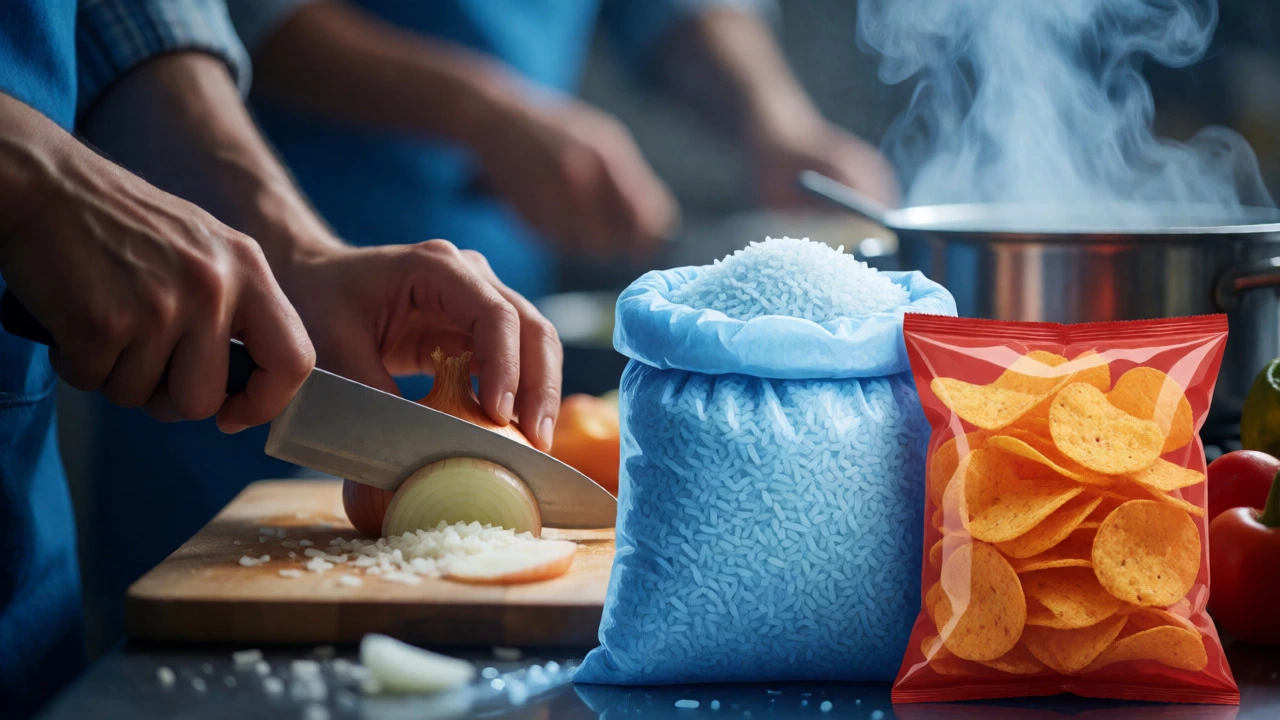
When your budget is tight, every dollar has to work hard. You need to think about caloric density and satiety. That doesn’t mean eating only instant noodles, but it does mean prioritizing foods that fill you up for less money. Think about the difference between a bag of chips and a bag of rice. The chips disappear in ten minutes and leave you hungry an hour later. The rice lasts all week and provides energy for actual work or exercise.
You also need to stop paying for labor. Pre-chopped onions, shredded cheese, and washed salad greens are conveniences that add 30-50% to the price tag. Your hands are free tools. Chopping an onion takes thirty seconds. Shredding a block of cheddar takes two minutes. These small actions save significant cash over time. When I shop, I look for whole ingredients. Whole chickens are often cheaper per pound than breasts or thighs, and you get bones for stock. Dry beans are vastly cheaper than canned ones, and with a bit of planning, they taste better too.
Your Weekly Shopping List Template
Let’s break down exactly what fits into that $20 envelope. Prices fluctuate based on where you live, but these estimates reflect average US supermarket prices as of late 2025. Adjust for sales, but keep the categories consistent.
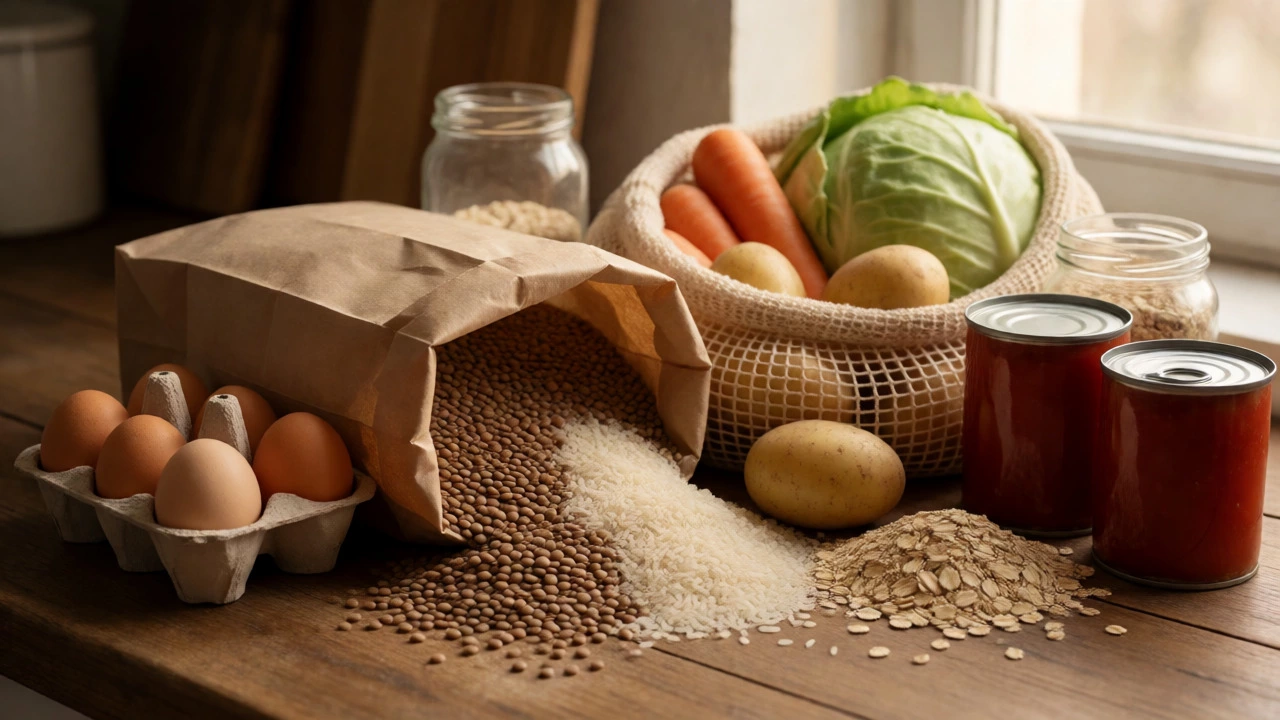
- Eggs: One dozen ($3.50). This is your primary protein source for breakfasts and quick dinners.
- Lentils: One pound dry ($1.50). They cook fast, don’t need soaking, and turn into hearty soups or bolognese.
- Rice: Two pounds white or brown ($2.50). This is your base for almost every dinner.
- Oats: One canister rolled oats ($3.00). Breakfast done for the week, plus you can make oat flour for baking.
- Potatoes: Five pounds ($4.00). Versatile, filling, and cheap. Bake them, boil them, mash them.
- Seasonal Vegetables: Cabbage, carrots, onions ($4.00). Root vegetables store well and are nutrient-dense.
- Frozen Peas/Corn: One large bag ($2.50). No waste, always available, adds color and vitamins.
- Canned Tomatoes: Two cans ($2.00). Essential for sauces, stews, and chili.
This list totals around $23, which means you need to hunt for one or two sales to hit $20, or stretch the pantry staples across two weeks. Oats, rice, and lentils last months. If you buy those bi-weekly, your weekly outlay drops significantly.
Meal Planning Without the Stress
Planning doesn’t mean writing a complex menu. It means knowing what’s in your fridge so you don’t order takeout out of desperation. Here’s a simple rotation that uses the shopping list above. It’s designed to be flexible. If you hate cabbage, swap it for spinach if it’s on sale. If you prefer quinoa over rice, buy it when it’s discounted.
Breakfast: Oats and Eggs
Made-from-scratch overnight oats cost pennies. Mix oats with water or milk (if you have it), add a sliced banana if your budget allows, or just cinnamon. For weekend mornings, scramble two eggs with leftover roasted potatoes. It feels indulgent but costs less than a latte.
Lunch: Leftovers or Bean Salad
Lunch is often where budgets bleed because people buy expensive sandwiches. Instead, cook extra dinner the night before. Or, make a big batch of cold bean salad. Drain canned beans, mix with chopped onions, peppers, vinegar, and oil. It keeps for three days in the fridge. Pack it with a piece of fruit.
Dinner: The One-Pot Wonder
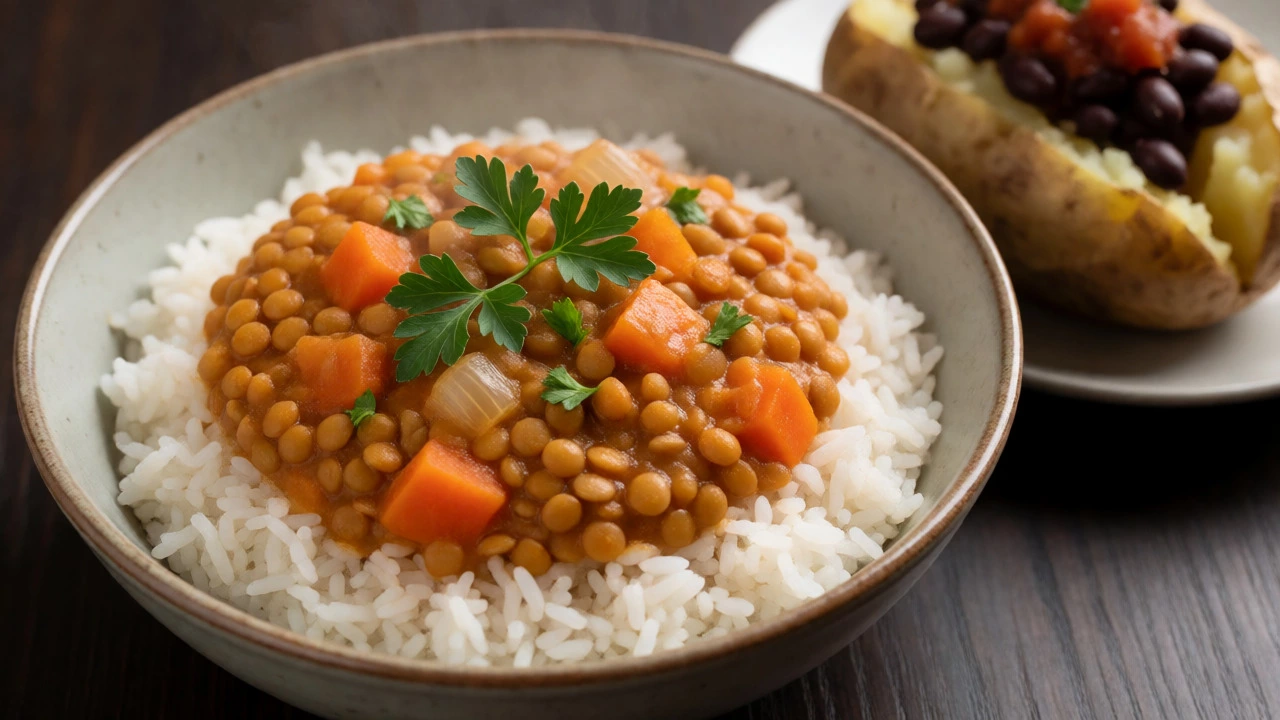
Use your lentils, rice, and vegetables. Lentil stew with carrots and onions served over rice is comforting, nutritious, and costs about $0.75 per serving. Add frozen peas in the last five minutes of cooking. Another option: Baked potato loaded with black beans (if you swapped lentils for beans) and salsa made from canned tomatoes. Simple flavors, high satisfaction.
Common Pitfalls That Break the Budget
Even with a good plan, certain habits will blow your $20 limit. Recognize them early.
- The Convenience Tax: Buying individual snack packs, single-serve yogurts, or pre-made salads. Always buy the big tub or the head of lettuce. Portion it yourself.
- Shopping Hungry: Never walk into a grocery store on an empty stomach. You’ll buy impulse snacks that don’t fit your meal plan.
- Ignoring Unit Pricing: Look at the price per ounce or kilogram on the shelf tag. Sometimes the smaller package is actually cheaper per unit due to promotions, but usually, the bigger bag wins. Compare brands, not just sizes.
- Wasting Fresh Produce: If you buy fresh herbs or delicate greens, use them immediately or freeze them. Wasted food is wasted money. Stick to hardy veggies like carrots, cabbage, and potatoes until you’re comfortable managing perishables.
Stretching the Budget Further
If $20 is tight, consider these advanced tactics. First, embrace Batch Cooking. Cook a massive pot of lentil soup or chili on Sunday. Freeze half. Now you have easy dinners for next week without additional prep time or cost.
Second, visit discount grocery stores or ethnic markets. Rice, beans, and spices are often 20-30% cheaper at Asian or Latin American grocers than at mainstream chains. Third, check the “reduced to clear” section near closing time. You might find meat or dairy marked down by 50%. If you can cook it that night or freeze it, it’s a steal.
Finally, drink water. Sugary drinks, sodas, and fancy coffees are budget killers. Tap water is free (or nearly so) and essential. If you need flavor, infuse water with lemon slices or cucumber ends.
Is It Sustainable?
Living on $20 a week isn’t forever for everyone. It’s a tool for specific seasons-student life, saving for a house, dealing with job loss, or simply learning financial discipline. It teaches you value. Once you know how much a loaf of bread actually costs versus what you pay at a café, you make different choices everywhere else.
You won’t eat gourmet every night. Some nights will be boring. But you will eat enough, and you will likely feel healthier because you’re cutting processed junk. The key is consistency. Plan your list, stick to it, and learn to love simple ingredients prepared well. Salt, fat, acid, and heat-that’s all you need to make cheap food taste great.
Can I really feed a family of four on $20 a week?
It is very challenging but possible if the parents are adults who don't require high-calorie growth diets. Focus heavily on starches (rice, potatoes, pasta) and legumes. Meat should be a garnish, not the main event. Soup and stew-based meals stretch further than plated dishes. Expect limited variety and no snacks or beverages beyond water.
What are the best sources of protein on this budget?
Dry beans, lentils, and chickpeas are the cheapest plant proteins. Eggs are the most affordable animal protein. Peanut butter offers good calorie-to-cost ratio. Canned tuna can be occasional if bought on sale, but avoid expensive fish like salmon. Greek yogurt is pricey; regular plain yogurt is a better value.
How do I prevent boredom with such limited options?
Spices are your friend. A small investment in cumin, paprika, garlic powder, and soy sauce changes the profile of basic rice and beans entirely. Vary textures: roast vegetables instead of boiling them. Change the form: blend lentils into a smooth soup one day, leave them chunky the next. Use citrus juice to brighten heavy meals.
Do I need a freezer for this strategy?
Not strictly, but it helps immensely. Freezing allows you to buy bulk meats or bread when they are on deep discount. It also lets you batch-cook once and eat for multiple days, reducing the mental load of daily cooking. If you lack freezer space, focus on shelf-stable items like dried goods and canned foods.
Are frozen vegetables as healthy as fresh?
Yes, often more so. Frozen vegetables are picked at peak ripeness and flash-frozen, preserving nutrients. Fresh produce loses nutritional value during transport and storage. Plus, frozen veggies reduce waste because you only use what you need. They are a cornerstone of budget-friendly, nutritious eating.