
Metabolic Boost Calculator
Estimate your baseline calorie burn and discover the potential metabolic boost from following the dietary strategies outlined in the article.
Your Profile
Estimated Daily Calorie Savings
Start by increasing your protein intake to support muscle maintenance.
Ready to Rev Up?
Enter your details to calculate your Basal Metabolic Rate and see how specific foods mentioned in the guide can help you burn more calories.
You’ve probably heard the myth that women’s metabolisms are just "slower" than men’s, and there’s nothing you can do about it. But here is the truth: your metabolism is not a fixed destiny. It’s a dynamic system influenced by what you eat, how much muscle you have, and even when you sleep. While genetics play a role, specific foods can nudge your metabolic rate upward by requiring more energy to digest or by supporting hormonal balance.
If you’re tired of feeling sluggish or struggling with stubborn weight despite "eating clean," it might not be about eating less-it might be about eating right. This guide breaks down exactly which foods help rev up your engine, why they work, and how to fit them into your daily routine without turning your kitchen into a chemistry lab.
The Real Deal About Female Metabolism
Before we hit the grocery list, let’s clear up some confusion. Your Basal Metabolic Rate (BMR) is the number of calories your body burns at rest to keep your heart beating and lungs breathing. For women, this number naturally drops slightly with age, largely due to muscle loss. After age 30, you can lose 3-5% of muscle mass per decade if you aren’t actively maintaining it. Less muscle means a lower BMR, which means fewer calories burned while you sit on the couch.
This is where food comes in. You can’t change your age, but you can change your body composition and hormonal environment through diet. Certain nutrients signal your body to burn fuel more efficiently rather than storing it. We aren’t talking about magic pills; we’re talking about leveraging the Thermic Effect of Food (TEF). TEF is the energy your body uses to digest, absorb, and process nutrients. Protein has the highest TEF, meaning you burn more calories just processing it compared to fats or carbs.
Protein Power: The Foundation of a Faster Burn
If you only change one thing about your diet, make it increasing protein intake. Studies consistently show that high-protein diets boost metabolism by 80-100 calories per day. Why? Because protein is hard work for your gut. Unlike simple carbs that slide into your bloodstream instantly, protein requires significant enzymatic effort to break down.
For women, adequate protein also supports satiety. If you’re constantly snacking because you’re hungry an hour after lunch, your blood sugar is likely crashing from a carb-heavy meal. Pairing protein with fiber keeps you full longer, preventing those mindless calorie additions later in the day.
- Eggs: A complete protein source rich in leucine, an amino acid critical for muscle maintenance. Start your day with two eggs instead of a bagel.
- Greek Yogurt: Look for plain, non-fat versions. They pack nearly twice the protein of regular yogurt and contain probiotics that support gut health, which is increasingly linked to metabolic efficiency.
- Lean Poultry and Fish: Chicken breast, turkey, and white fish like cod provide high-quality protein with minimal saturated fat.
Spice It Up: Thermogenic Foods
Some foods actually raise your core body temperature slightly, forcing your body to burn extra energy to cool itself back down. This is called thermogenesis. While the effect is modest-maybe burning an extra 50-100 calories a day-it adds up over weeks and months.
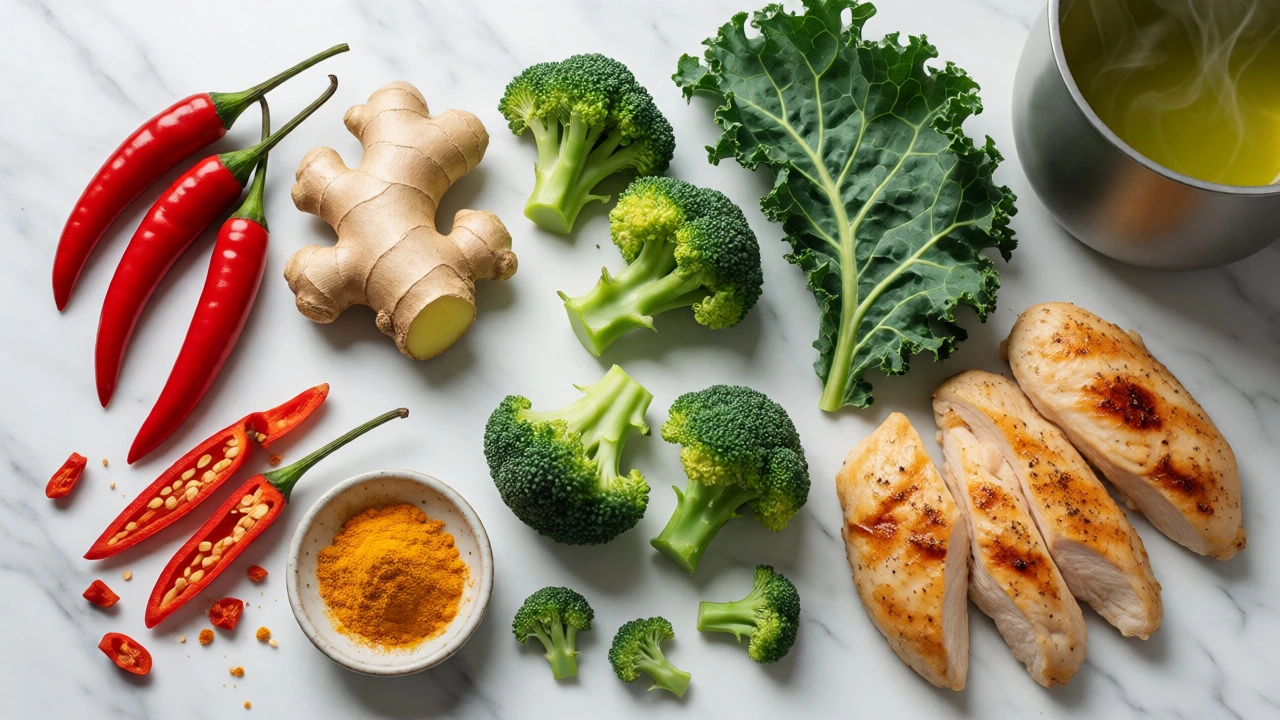
Capsaicin, found in chili peppers, is the star player here. Research suggests that capsaicin can increase metabolic rate by up to 8% for several hours after consumption. You don’t need to eat ghost peppers every day. A sprinkle of cayenne on your roasted veggies or a dash of hot sauce in your soup is enough to trigger the response.
Don’t forget ginger. Often overlooked, ginger has been shown to improve digestion and reduce bloating, which makes you feel lighter and more energetic. Adding fresh ginger to tea or stir-fries is an easy win. Similarly, turmeric contains curcumin, which fights inflammation. Chronic inflammation can slow down metabolism by disrupting insulin sensitivity, so keeping inflammation low is key to keeping your engine running smoothly.
The Role of Hydration and Caffeine
Dehydration is a silent metabolism killer. Even mild dehydration slows down your metabolic rate by up to 3%. Water is essential for every cellular process, including the breakdown of fat cells. If you’re drinking sugary sodas or excessive alcohol, you’re adding empty calories while dehydrating your system.
Coffee and green tea offer a double benefit. The caffeine stimulates the central nervous system, signaling fat cells to break down body fat. Green tea, specifically, contains catechins like EGCG, which work synergistically with caffeine to enhance fat oxidation. A study published in the American Journal of Clinical Nutrition found that green tea extract increased 24-hour energy expenditure by 4%.
| Beverage | Key Active Compound | Estimated Metabolic Boost | Best Time to Consume |
|---|---|---|---|
| Green Tea | Catechins (EGCG) + Caffeine | 4-5% | Morning or pre-workout |
| Coffee | Caffeine | 3-11% | Morning (avoid after 2 PM) |
| Water (Cold) | Hydration | Up to 30% short-term* | With meals |
| Sugary Soda | Fructose/Glucose | Negative (Storage) | Rarely |
*Note: Short-term water-induced thermogenesis occurs as the body warms cold water to body temperature.
Iron and Thyroid Health: The Hidden Factors
Many women suffer from low iron levels, especially during reproductive years. Iron is crucial for transporting oxygen to cells. Without enough oxygen, your mitochondria (the powerhouses of your cells) cannot produce energy efficiently. If you feel constantly tired, have brittle nails, or hair loss, check your ferritin levels. Low iron mimics a slow metabolism because your body simply doesn’t have the resources to burn fuel effectively.
Similarly, thyroid function dictates your metabolic speed. Iodine and selenium are vital for thyroid hormone production. Deficiencies here can lead to hypothyroidism, a condition where everything slows down-heart rate, digestion, and calorie burning. Include iodized salt, seaweed, Brazil nuts (just one or two a day for selenium), and lean meats in your diet to support thyroid health.
Fiber-Rich Veggies: Stabilizing Blood Sugar
Insulin resistance is a major barrier to a fast metabolism. When your cells become resistant to insulin, your body stores more fat and struggles to use glucose for energy. Fiber-rich vegetables help stabilize blood sugar levels, preventing insulin spikes.
Cruciferous vegetables like broccoli, Brussels sprouts, and kale are excellent choices. They are low in calories but high in volume, helping you feel full without consuming excess energy. Plus, they contain compounds that may help regulate estrogen levels. In women, estrogen dominance can contribute to weight gain around the hips and thighs. Eating plenty of fibrous greens helps your liver process and eliminate excess estrogen efficiently.

Building Muscle Through Diet and Movement
Food alone won’t give you a supercharged metabolism if you remain sedentary. Muscle tissue is metabolically active, meaning it burns calories even when you’re asleep. Resistance training combined with adequate protein intake is the most effective way to counteract age-related metabolic decline.
Think of your muscles as an investment. Every pound of muscle you build increases your daily calorie burn. To support muscle growth, ensure you’re eating enough calories overall. Crash dieting often backfires because severe calorie restriction lowers your BMR as your body tries to conserve energy. Aim for a moderate deficit if you’re trying to lose weight, and prioritize strength training three times a week.
A Sample Day for Metabolic Support
Here is how you can put these concepts into practice without overcomplicating things:
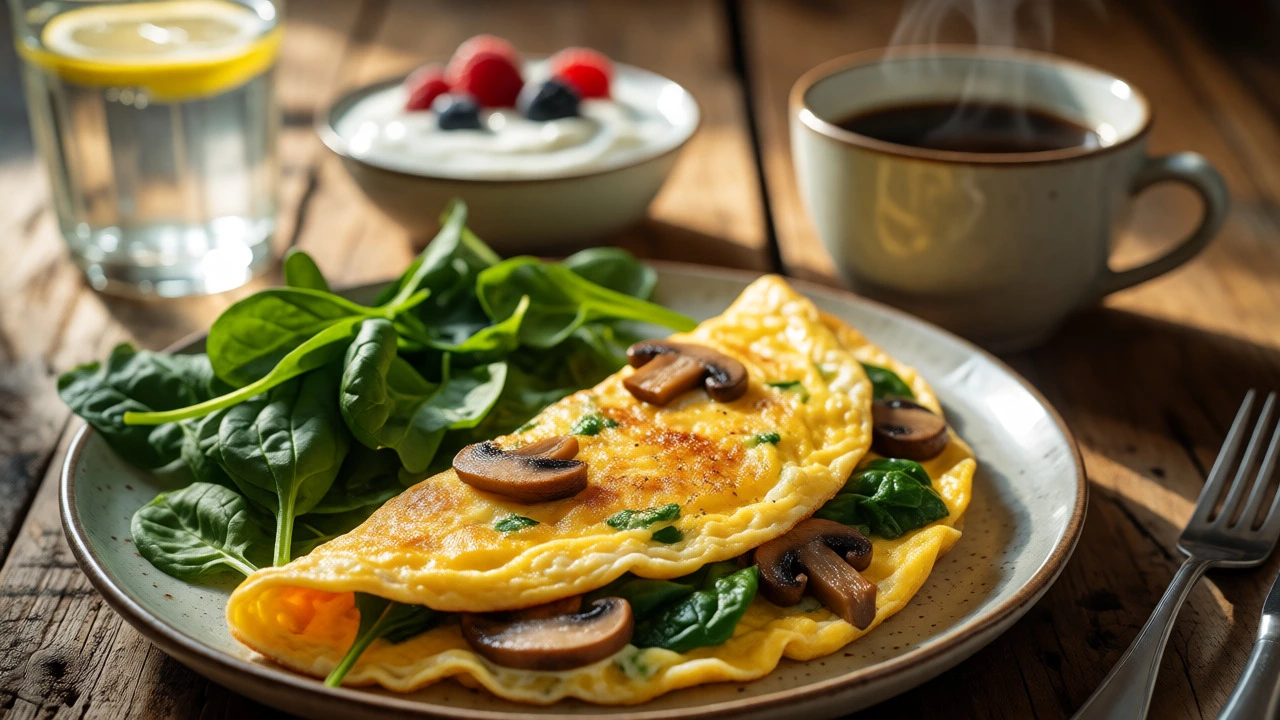
- Breakfast: Omelet with spinach and mushrooms, cooked in a teaspoon of olive oil. Serve with a cup of black coffee or green tea.
- Lunch: Large salad with grilled chicken breast, chickpeas, cucumber, and a dressing made from apple cider vinegar and mustard. Apple cider vinegar may help improve insulin sensitivity.
- Snack: An apple with a tablespoon of almond butter. The fiber from the apple and the healthy fats/protein from the nut butter keep energy stable.
- Dinner: Baked salmon seasoned with lemon and dill, served with roasted broccoli and quinoa. Salmon provides omega-3 fatty acids, which reduce inflammation and support cell membrane health.
- Hydration: Drink at least 2 liters of water throughout the day, adding lemon slices for flavor.
Pitfalls to Avoid
Be wary of "detox teas" and supplements promising instant metabolic miracles. Most rely on caffeine or laxatives, which don’t permanently change your metabolic rate. Also, avoid skipping meals. Intermittent fasting works for some people, but for others, it leads to overeating later in the day. Listen to your body. If you feel shaky or irritable between meals, you likely need more protein or complex carbs.
Finally, manage stress. High cortisol levels from chronic stress encourage fat storage, particularly in the abdominal area. No amount of chili peppers will override the effects of constant anxiety and poor sleep. Prioritize 7-9 hours of quality sleep to keep your hunger hormones (ghrelin and leptin) balanced.
Does spicy food really burn fat?
Yes, but modestly. Capsaicin in chili peppers can increase your metabolic rate by about 8% for a few hours after eating. However, this effect is small compared to the benefits of exercise and building muscle. It’s a helpful tool, not a solution on its own.
Why does my metabolism slow down after 40?
This is primarily due to sarcopenia, the natural loss of muscle mass associated with aging. Additionally, hormonal changes during perimenopause can affect how your body stores fat and uses energy. Strength training and higher protein intake are the best defenses against this decline.
Is coffee good for metabolism?
Coffee can temporarily boost metabolic rate by 3-11% due to caffeine. It also enhances physical performance, allowing you to burn more calories during workouts. However, tolerance builds over time, so the effect may diminish if you drink large amounts daily. Stick to moderate consumption (1-3 cups).
Do grapefruits help with weight loss?
Grapefruit may help with weight loss by improving insulin sensitivity and lowering insulin levels. Some studies suggest that eating half a grapefruit before meals can reduce appetite and total calorie intake. It’s not magic, but it’s a great low-calorie addition to a balanced diet.
How much protein should I eat to boost metabolism?
Aim for 1.2 to 1.6 grams of protein per kilogram of body weight daily. For a 150-pound woman, that’s roughly 80-110 grams of protein. Distribute this evenly across meals to maximize muscle protein synthesis and satiety.