

14-Hour Fast Tracker
Enter the time you finished your last meal to see what is happening in your body right now.
You stop eating at 8 PM. The next morning, you skip breakfast and don't eat again until lunch. That’s a 14-hour window where your body runs on its own reserves. For many people, this isn’t a diet trend-it’s just how they live. But what is actually happening inside you during those empty hours? It’s not just about feeling hungry or losing weight. Your cells are switching gears, your hormones are shifting, and your brain might even get sharper.
If you’ve ever wondered why some people swear by skipping meals while others feel shaky and weak, the answer lies in the specific timeline of intermittent fasting. This isn't about starving yourself; it's about giving your digestive system a break so other systems can catch up. A 14-hour fast sits right in the sweet spot for most beginners-long enough to trigger real biological benefits, but short enough that you aren’t miserable by noon. Let’s walk through exactly what happens, hour by hour, so you know what to expect when you close the kitchen cabinet for the night.
The First Few Hours: Digestion and Insulin Drop
When you finish your last bite of dinner, say at 7 PM, your body immediately gets to work. For the first two to four hours, you are technically still in the "fed state." Your blood sugar rises from that meal, and your pancreas releases insulin to shuttle that glucose into your cells for energy. Any extra glucose gets stored as glycogen in your liver and muscles.
Here is the critical shift: around the four-to-six-hour mark, your digestion slows down significantly. Blood sugar levels stabilize and then begin to drop. Because there is no new food coming in, your body stops producing high amounts of insulin. This drop is crucial. High insulin blocks fat burning; low insulin unlocks it. Once insulin levels fall, your body realizes it needs a new fuel source. It starts tapping into the glycogen stores you built up earlier. You might feel a slight dip in energy here, often mistaken for hunger, but it’s usually just your body adjusting its fuel gauge.
Hours 6-10: Switching to Fat Burning
By hour six, your glycogen stores are running low. Your liver has used up much of its immediate glucose supply. Now, your body makes a metabolic switch known as ketosis-lite or early fat adaptation. You start breaking down stored body fat into fatty acids and ketones. Ketones are an efficient fuel source, especially for your brain.
This is where many people report a mental fog lifting. While glucose causes spikes and crashes, ketones provide a steady stream of energy. If you’re working during these hours, you might find you need less coffee to stay focused. However, if you haven’t eaten enough protein or healthy fats the day before, you might feel irritable. This is your body asking for easier access to fuel. Drinking water with electrolytes, like sodium or magnesium, can help smooth out this transition. You aren’t starving; you are just changing engines.
| Time Since Last Meal | Primary Fuel Source | Insulin Level | Physical Sensation |
|---|---|---|---|
| 0-4 Hours | Dietary Glucose | High | Satisfied, full |
| 4-8 Hours | Glycogen Stores | Decreasing | Mild hunger, stable energy |
| 8-12 Hours | Fat (Ketones) | Low | Mental clarity, possible coldness |
| 12-14 Hours | Fat + Autophagy Initiation | Very Low | Heightened alertness, reduced bloating |
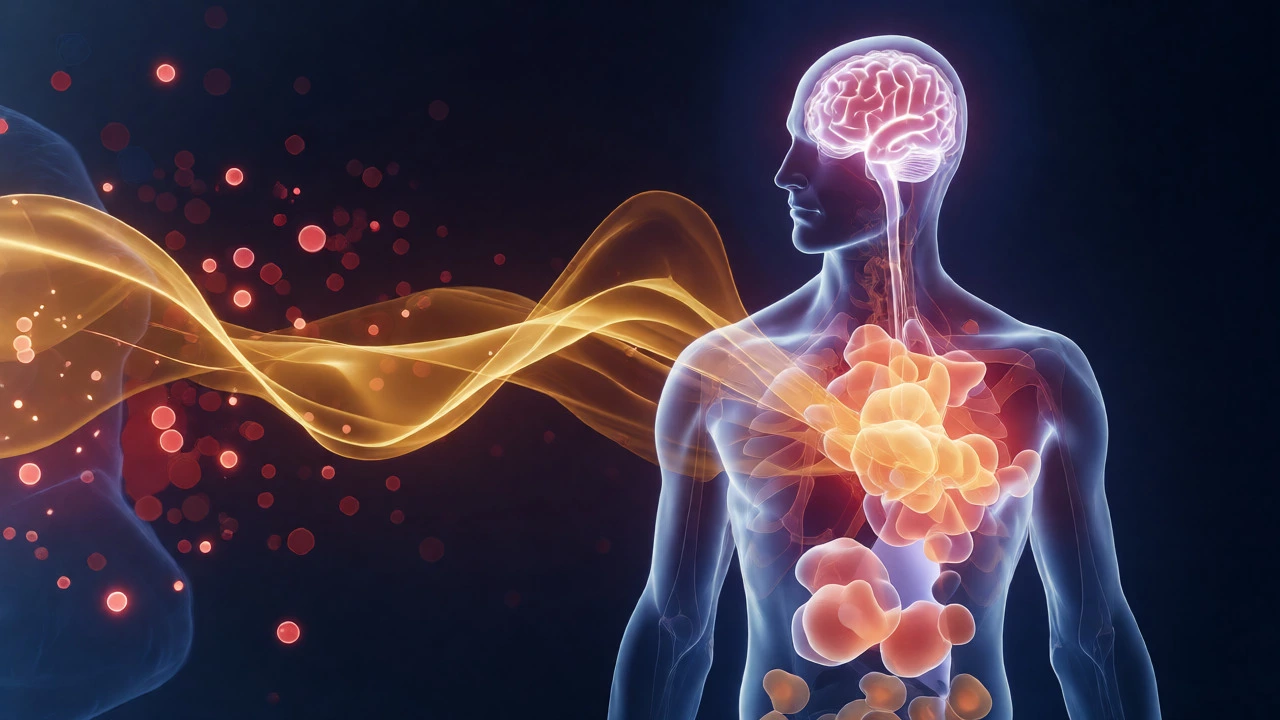
HOURS 10-12: Growth Hormone and Cellular Repair
As you cross the ten-hour mark, something remarkable happens with your hormones. Human Growth Hormone (HGH) levels begin to rise. HGH isn’t just for bodybuilders; it plays a vital role in preserving muscle mass and repairing tissues. When you fast, your body prioritizes survival and repair over growth and reproduction. By increasing HGH, your body protects your lean muscle tissue from being broken down for energy, ensuring that any weight loss comes primarily from fat stores.
This period also marks the beginning of autophagy, though it doesn't peak until longer fasts. Autophagy is essentially your body’s recycling program. Cells identify damaged proteins, old organelles, and cellular debris, then break them down and reuse the components. Think of it as taking out the trash and cleaning the house. While a 14-hour fast doesn’t induce deep, prolonged autophagy like a 24-hour fast might, it provides a consistent daily window for this cleanup process. Over weeks and months, this cumulative effect may support long-term health and reduce inflammation.
HOURS 12-14: Mental Clarity and Reduced Inflammation
By the time you hit twelve hours, you are fully in a fasted state. Most people who practice a 14:10 schedule (14 hours fasting, 10 hours eating) wake up naturally around this time or slightly after. If you delay breakfast until 1 PM, you are hitting the 14-hour target perfectly.
During these final hours, many users report a distinct sense of calm focus. Without the constant cycle of digesting food, your parasympathetic nervous system (rest and digest) takes a back seat, allowing your sympathetic nervous system (fight or flight) to be more balanced rather than stressed. Cortisol levels, which can spike due to stress or poor sleep, tend to regulate better when you aren’t constantly spiking insulin. Additionally, gut rest reduces bloating and digestive discomfort. If you suffer from IBS or general sluggishness after meals, this window gives your gut lining time to heal and reset.

Who Should Try This and Who Should Be Careful
A 14-hour fast is gentle compared to aggressive protocols like OMAD (One Meal A Day) or alternate-day fasting. It fits easily into modern life. Dinner at 7 PM, breakfast at 9 AM is only a 14-hour gap. But it’s not for everyone.
Ideal candidates:
- People looking to lose a few pounds without counting calories strictly.
- Those with mild insulin resistance or pre-diabetes (consult a doctor first).
- Individuals who struggle with late-night snacking.
- Busy professionals who prefer a larger lunch and dinner.
Cautions:
- Pregnant or breastfeeding women should avoid extended fasting without medical supervision.
- People with a history of eating disorders may find the restriction triggers unhealthy patterns.
- Diabetics on medication must monitor blood sugar closely, as fasting can cause hypoglycemia.
- Children and teenagers generally need consistent energy intake for growth.
Practical Tips for Success
Starting a 14-hour fast doesn’t mean white-knuckling through hunger pangs. Hydration is key. Water, black coffee, and plain tea are allowed and encouraged. These beverages have zero calories and won’t break the fast. In fact, caffeine can suppress appetite and boost metabolism slightly during the morning hours.
Break your fast wisely. Don’t dive straight into a pizza. Start with protein and healthy fats, like eggs, avocado, or Greek yogurt. This stabilizes blood sugar and prevents a massive insulin spike that could leave you crashing later. Avoid sugary cereals or pastries for your first meal, as they undo the metabolic benefits you just gained.
Listen to your body. If you feel dizzy, extremely weak, or nauseous, eat. Fasting should enhance your life, not ruin it. Consistency matters more than perfection. Doing a 14-hour fast three times a week is better than forcing it every day and quitting after a month because you felt terrible.
Can I drink milk or juice during the fast?
No. Milk contains lactose (sugar) and protein, both of which trigger an insulin response and break the fast. Juice is pure sugar and will spike blood glucose immediately. Stick to water, black coffee, or herbal tea without added sweeteners.
Will I lose muscle mass if I fast for 14 hours?
Unlikely, if you are eating enough protein during your eating window. The rise in Human Growth Hormone during the fast helps preserve muscle tissue. Muscle loss typically occurs during prolonged starvation or severe calorie deficits combined with inactivity, not a moderate 14-hour daily fast.
Is 14 hours enough to see results?
Yes, for many people. While deeper autophagy requires longer fasts, 14 hours is sufficient to lower insulin levels consistently, promote fat oxidation, and improve metabolic markers. Weight loss and improved energy levels are commonly reported within 2-4 weeks of consistent practice.
What if I am hungry at 11 AM?
True hunger is rare during established fasts; it is often thirst or habit. Drink a large glass of water and wait 15 minutes. If the feeling persists, it may be ghrelin (the hunger hormone) cycling. Distract yourself with work or movement. If you must eat, consider pushing your eating window slightly earlier, such as finishing dinner by 6 PM instead of 8 PM.
Does exercise break a 14-hour fast?
No. Exercise itself does not break a fast. In fact, exercising in a fasted state can increase fat burning. However, intense workouts might require more energy than your body prefers to spare during a fast. Light cardio or strength training is usually well-tolerated. Listen to your performance; if you feel weak, schedule workouts closer to your eating window.