
Find Your Perfect Meat Match
Answer a few questions to discover which premium meat aligns with your taste buds and kitchen capabilities.
Meat Name
Flavor Profile
Why This Fits You
Reasoning will appear here.
Best Way to Cook It
Cooking method details.
Ask ten people what the tastiest meat in the world is, and you’ll get ten different answers. One might swear by the marbling of Japanese Wagyu, another will argue for the salty depth of Spanish Jamón Ibérico, while a third insists that nothing beats a perfectly roasted Sunday chicken. It’s not just about hunger; it’s about culture, chemistry, and how an animal was raised. But if we strip away personal bias and look at what chefs, food scientists, and global consumers actually crave, certain meats consistently rise to the top.
So, what makes meat "tasty"? Is it the fat content? The umami punch? Or is it simply nostalgia? This article breaks down the heavy hitters of the meat world, explains why they taste so good, and helps you decide which one deserves a spot on your dinner plate tonight. We’re also going to touch on how you can bring these premium flavors home without needing a Michelin-star budget.
The Science Behind the Sizzle
Before we name names, let’s talk about why meat tastes good. It’s mostly down to two things: fat and amino acids. When you cook meat, heat triggers the Maillard reaction-a chemical process between amino acids and reducing sugars that gives browned food its distinctive flavor. That crispy skin on a chicken or the crust on a steak? That’s Maillard magic.
Fat is the other big player. Fat carries flavor compounds better than water does. This is why lean cuts like chicken breast can sometimes feel dry or bland compared to a ribeye. The intramuscular fat, known as marbling, melts during cooking, basting the muscle fibers from the inside out. If you want the tastiest meat, you generally need to look for high-quality fat distribution.
Wagyu Beef: The King of Marbling
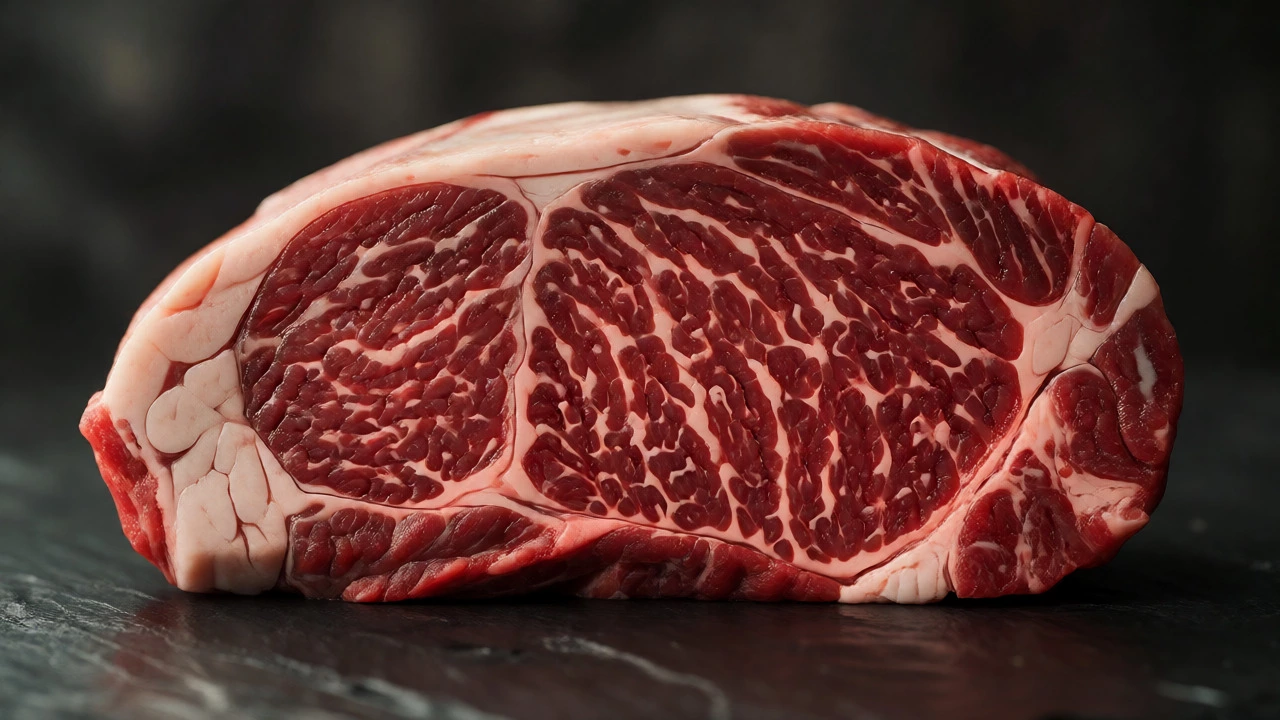
If there is a consensus winner for the most luxurious eating experience, it’s usually Wagyu beef from specific breeds of cattle native to Japan, renowned for its intense marbling and rich, buttery texture. The term "Wagyu" literally means "Japanese cow." What sets it apart isn’t just the breed, but the genetics and the meticulous care given to the animals.
Wagyu has a higher percentage of unsaturated fatty acids, particularly oleic acid, which has a lower melting point than saturated fats. This means the fat literally melts at body temperature. You don’t chew through it; it dissolves. This creates a sensation often described as "umami-rich" and incredibly tender. While Kobe beef is the most famous brand, other regions like Miyazaki and Hida produce equally stunning Wagyu.
Pro Tip: Don’t overcook Wagyu. Because the fat renders so quickly, a medium-rare finish is ideal. Overcooking turns that delicate butteriness into a greasy mess.
Iberian Ham: Cured Perfection
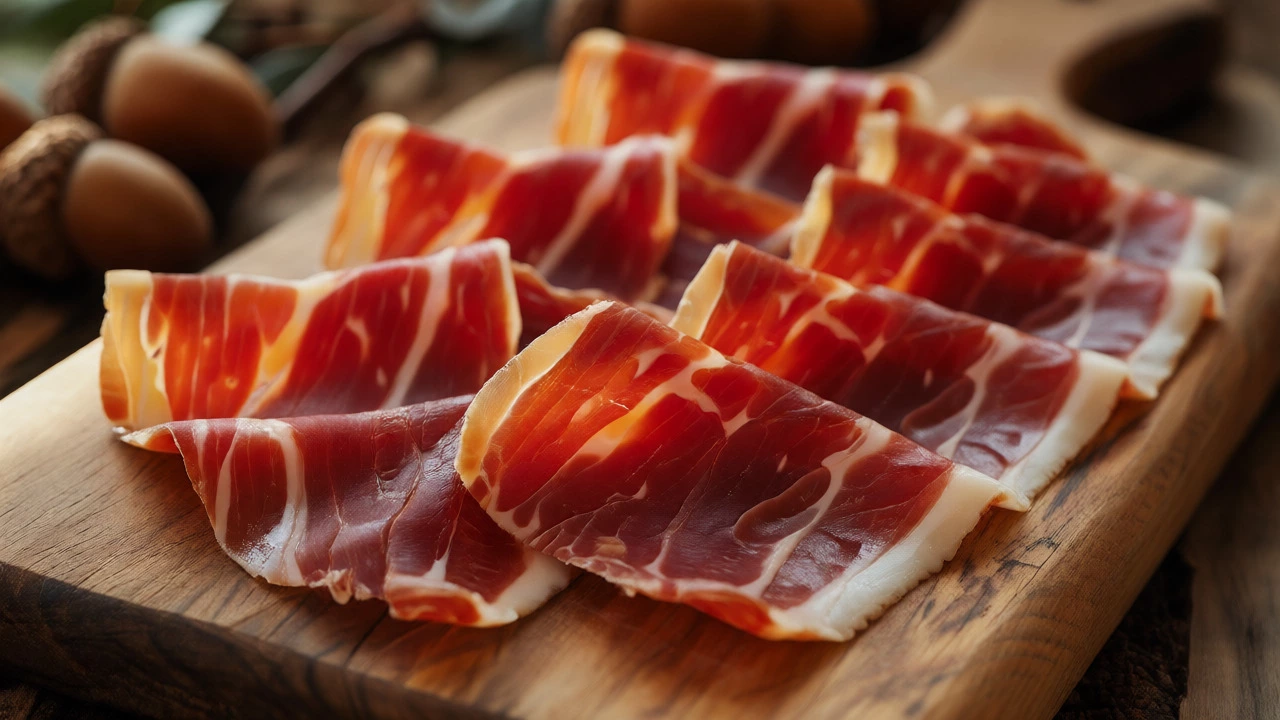
While Wagyu wins on tenderness, Jamón Ibérico a cured ham produced in Spain and Portugal using the meat of black Iberian pigs takes the crown for complexity. This isn’t cooked meat; it’s air-dried and aged for years. Some hams age for up to four years.
The secret ingredient here is the acorn diet. Pigs allowed to roam freely in oak forests (the "dehesa") eat thousands of acorns. These acorns are high in oleic acid, similar to olive oil, which permeates the fat. The result is a ham that tastes nutty, sweet, and deeply savory all at once. It’s less about chewing and more about savoring. Thin slices melt on the tongue, releasing layers of flavor that change as you eat them.
Lamb: The Polarizing Powerhouse
Lamb divides opinion. Some find it gamey and overpowering; others think it’s the most flavorful red meat available. The truth lies in the cut and the preparation. Young lamb (often called hogget or mutton depending on age) has a stronger flavor due to higher levels of branched-chain fatty acids in the fat.
In Mediterranean and Middle Eastern cuisines, lamb is treated with respect and paired with strong herbs like rosemary, mint, and cumin. A slow-roasted leg of lamb falls off the bone and absorbs the juices of onions and garlic. Unlike beef, lamb pairs exceptionally well with fruit-based sauces, such as apricot or pomegranate molasses, which cut through the richness.
Pork Belly: The Crispy Favorite
Move over, bacon. Pork Belly a cut of pork taken from the underside of the pig, characterized by alternating layers of fat and meat has become a global obsession. From Korean Samgyeopsal to Chinese Char Siu, this cut is beloved because it offers the perfect ratio of crunch to succulence.
The key to tasty pork belly is rendering the fat. If you just grill it quickly, it stays rubbery. You need low and slow heat to break down the collagen and render the fat, followed by a high-heat blast to crisp the skin. When done right, you get a shatteringly crisp exterior and a creamy, juicy interior. It’s indulgent, yes, but few things satisfy a craving like properly cooked pork belly.
Chicken: The Underrated Champion
You might be surprised to see chicken on a list of the "most tastiest" meats. After all, supermarket chicken can be bland and watery. But when you step up to heritage breeds or free-range birds, chicken transforms. Think of the difference between a standard broiler and a Bresse Chicken a French breed of chicken recognized for its high quality and protected designation of origin.
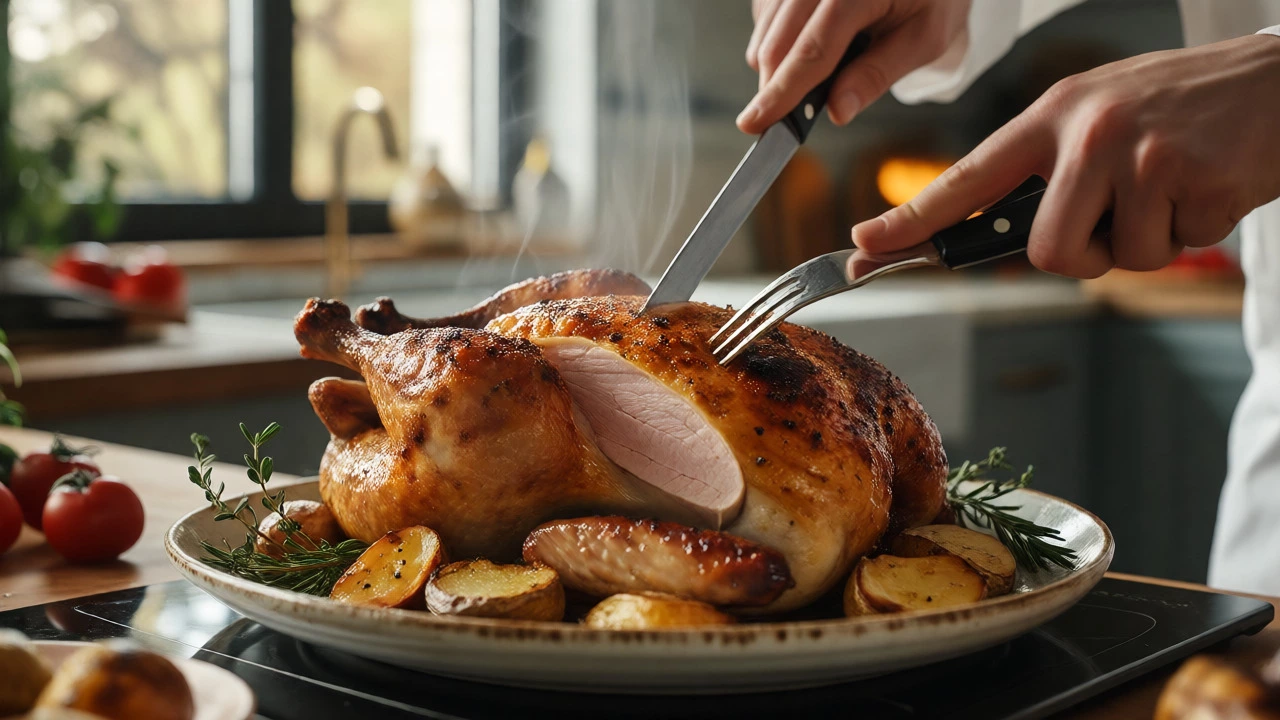
Bresse chickens are fed a specific diet including dairy products, which affects the color and flavor of their meat. Their flesh is darker, richer, and far more aromatic. In our own kitchens, we can mimic this by brining chicken or spatchcocking it for even cooking. A well-seasoned, roasted whole chicken with crispy skin is arguably the most comforting and universally liked meal in the Western world. It’s versatile, affordable, and when cooked correctly, incredibly delicious.
| Meat Type | Primary Flavor Profile | Best Cooking Method | Price Range |
|---|---|---|---|
| Wagyu Beef | Buttery, Umami, Rich | Sear / Teppanyaki | $$$ - $$$$ |
| Iberian Ham | Nutty, Salty, Sweet | Cured / Raw | $$ - $$$ |
| Lamb | Gamey, Earthy, Herbaceous | Roast / Grill | $$ |
| Pork Belly | Savory, Fatty, Crispy | Braise then Roast | $ - $$ |
| Bresse Chicken | Mild, Butter Notes, Tender | Roast / Poach | $$ |
How to Choose the Best Meat for Your Budget
You don’t need to fly to Japan to eat great meat. Here’s how to make smart choices at the butcher or grocery store:
- Look for Color: Bright red beef indicates freshness and proper oxygenation. Dark purple meat may have been vacuum-packed too long. For chicken, look for pinkish flesh, not grey.
- Check the Fat: White fat is fresh. Yellow fat can indicate older animals or grain-heavy diets (which isn’t always bad, but changes flavor). Look for even marbling in steaks, not just chunks of fat.
- Ask Questions: Talk to your butcher. Ask where the animal was raised and what it ate. Grass-fed beef tastes different than grain-fed-grass-fed is leaner and more mineral-heavy, while grain-fed is sweeter and fattier.
- Consider the Cut: Tougher cuts like brisket or shoulder taste amazing if cooked slowly. Expensive cuts like fillet rely on natural tenderness. Don’t overspend on a tough cut unless you plan to braise it.
Common Mistakes That Ruin Good Meat
Even the most expensive Wagyu can taste bad if handled poorly. Here are the biggest pitfalls:
- Cooking Straight from the Fridge: Cold meat cooks unevenly. Let your steak or chicken sit at room temperature for 30-60 minutes before cooking. This ensures the center cooks at the same rate as the outside.
- Overcrowding the Pan: If you put too much meat in a pan at once, the temperature drops, and the meat steams instead of sears. You lose that crucial Maillard crust. Cook in batches if necessary.
- Slicing Against the Grain: Always slice against the muscle fibers. If you slice with them, the meat becomes chewy and tough, no matter how tender it was originally.
- Skipping the Rest: Cutting into meat immediately after cooking lets the juices run out onto the board. Let it rest for at least half the cooking time. This redistributes the juices throughout the cut.
Bringing Global Flavors Home
You can recreate some of these premium experiences at home. Want that Iberian ham vibe? Buy a small block of high-quality prosciutto or coppa and serve it thinly sliced with melon or bread. Want the Wagyu effect? Buy a high-grade Australian Wagyu cross-breed steak-it’s significantly cheaper than pure Japanese Wagyu but still offers incredible marbling.
For chicken lovers, try brining your bird overnight in salt, sugar, and aromatics. This seasons the meat deep within and keeps it moist. Pair it with roasted potatoes and gravy, and you’ve got a meal that rivals any restaurant special.
Is Wagyu beef really worth the price?
If you enjoy rich, buttery textures and unique flavors, yes. However, for everyday meals, high-quality USDA Prime or Australian Wagyu crosses offer 80% of the experience for 50% of the cost. Pure Japanese A5 Wagyu is a luxury treat, not a daily staple.
Why does grass-fed beef taste different than grain-fed?
Grass-fed beef tends to be leaner with a more earthy, mineral-like flavor due to the beta-carotene and omega-3s in grass. Grain-fed beef is fattier, sweeter, and has a milder, more familiar "steak" taste because corn and soy promote marbling.
What is the healthiest tastiest meat?
This depends on your dietary goals. Lean cuts of turkey or chicken breast are high in protein and low in fat. However, moderate consumption of fatty fish like salmon or lean cuts of grass-fed beef provides essential nutrients like Omega-3s and iron. Flavor often correlates with fat content, so balance is key.
Can I freeze Wagyu beef?
Yes, but wrap it tightly in plastic wrap and then foil to prevent freezer burn. Thaw it slowly in the refrigerator, never in the microwave. Freezing doesn’t ruin Wagyu, but improper thawing can damage the delicate cell structure, leading to moisture loss.
Which chicken breed tastes the best?
Bresse, Cornish Cross (for size), and heritage breeds like Plymouth Rock or Rhode Island Red are often cited for superior flavor. Bresse is considered the gold standard for its buttery notes and tender texture, though it comes at a premium price.