
Pre-Fast Meal Planner
Select your fasting type to get personalized meal recommendations.
Why This Works:
Key Nutrients:
You just finished your eating window. The clock is ticking. You have one shot to fuel your body for the next 16, 24, or even 48 hours of no food. What do you eat? If you grab a greasy burger and a soda, you will likely spend the first few hours of your fast feeling sluggish, bloated, and thirsty. If you skip the last meal entirely, you might wake up dizzy and hangry. The last meal before fasting isn't just about satisfying hunger; it's about strategic fueling.
Think of this meal as the foundation of your fast. It determines how stable your blood sugar stays, how much water your body retains, and whether you feel energized or drained. This guide breaks down exactly what makes a perfect pre-fast meal, gives you concrete examples, and helps you avoid the common pitfalls that ruin otherwise successful fasts.
The Science Behind Your Final Bite
Why does the content of your last meal matter so much? It comes down to digestion speed and nutrient density. When you stop eating, your body shifts from using glucose (from recent carbs) to burning stored fat. But this transition isn't instant. If your last meal was heavy in simple sugars, your insulin spikes, then crashes. That crash hits while you are already fasting, triggering intense cravings and fatigue.
Conversely, a meal rich in protein, healthy fats, and fiber slows down digestion. This provides a steady trickle of energy rather than a sharp spike and drop. According to general nutritional guidelines supported by organizations like the Academy of Nutrition and Dietetics, combining macronutrients helps maintain satiety longer. So, the goal is to choose foods that keep you full without spiking insulin too aggressively.
Key Components of a Perfect Pre-Fast Meal
Not all healthy meals are created equal when you are about to enter a fasting state. Here is what you need to prioritize:
- Protein: Aim for 30-50 grams. Protein has a high thermic effect and keeps you satiated. Chicken breast, salmon, tofu, or eggs are excellent choices.
- Healthy Fats: Avocado, olive oil, nuts, or seeds slow gastric emptying. This means food stays in your stomach longer, reducing hunger pangs during the early hours of the fast.
- Fiber-Rich Vegetables: Leafy greens, broccoli, or cauliflower add volume without many calories. Fiber stabilizes blood sugar and supports gut health, which can be sensitive during fasting.
- Complex Carbs (Moderate): Quinoa, sweet potatoes, or oats provide glycogen stores. Keep portions moderate if you are doing shorter fasts, but don't eliminate them entirely unless you are keto-adapted.
| Nutrient | Role During Fast | Best Sources |
|---|---|---|
| Protein | Maintains muscle mass, reduces hunger | Eggs, fish, chicken, legumes |
| Healthy Fats | Slows digestion, provides sustained energy | Avocado, olive oil, nuts, seeds |
| Fiber | Stabilizes blood sugar, aids digestion | Leafy greens, cruciferous veggies, berries |
| Hydration | Prevents dehydration headaches | Water, herbal tea, electrolytes |
Three Winning Meal Ideas
Let's get practical. Here are three specific meal templates that work well because they balance taste, convenience, and physiological needs.
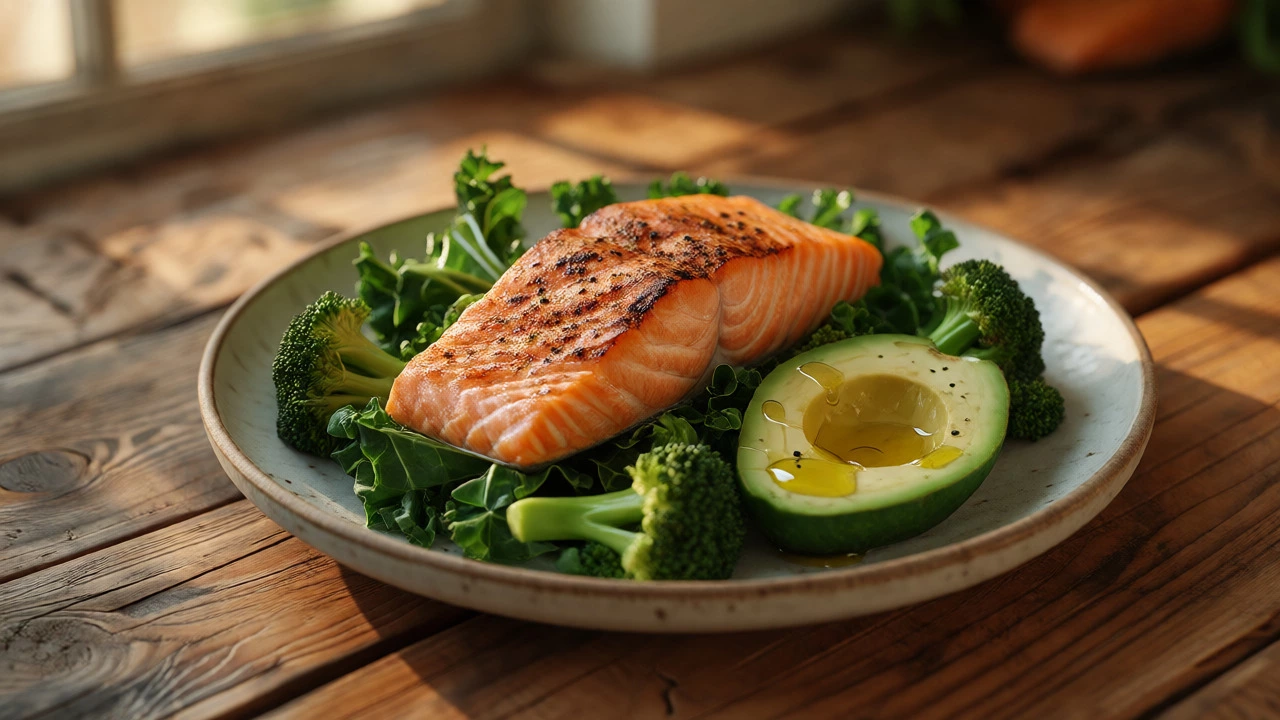
1. The Salmon and Greens Power Bowl
This is arguably the gold standard for pre-fast nutrition. Start with a grilled salmon fillet. Salmon is packed with omega-3 fatty acids, which reduce inflammation-a common side effect of fasting stress. Pair it with a large serving of steamed broccoli or kale. Add half an avocado for healthy fats. Drizzle with extra virgin olive oil. This combination digests slowly, keeping you satisfied for hours. It’s also low in sodium if you season lightly, preventing water retention issues later.
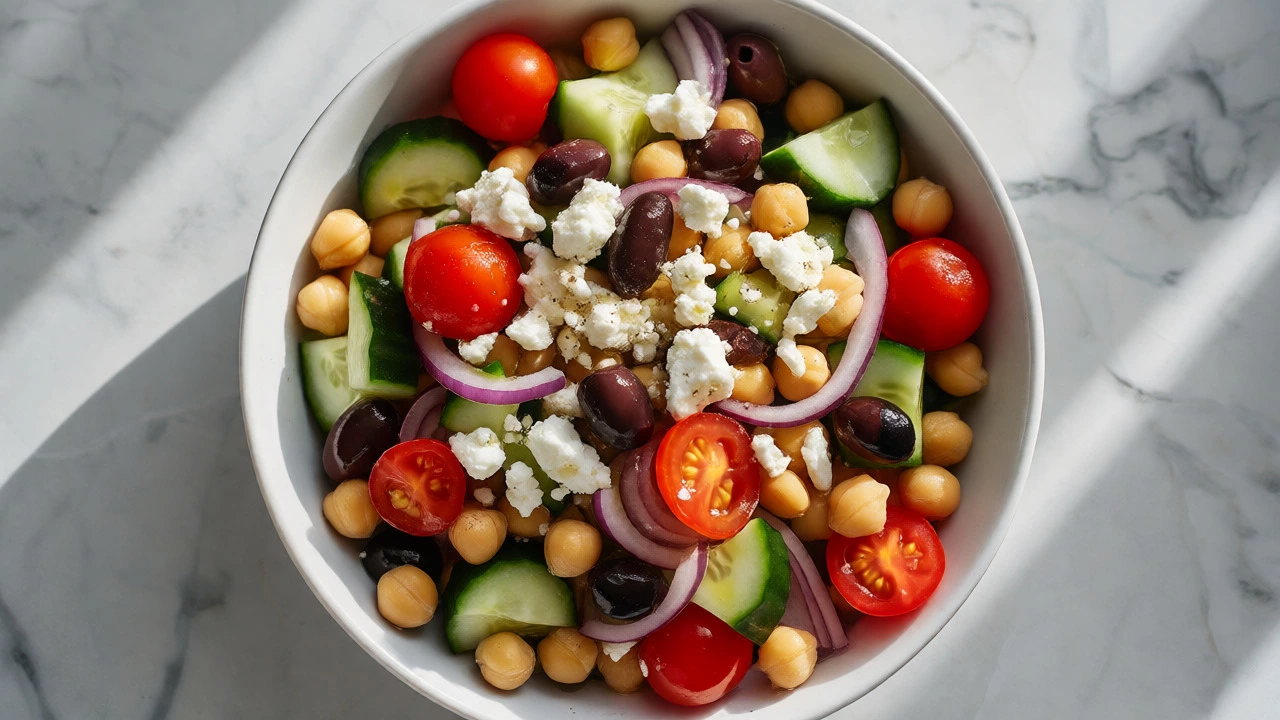
2. The Mediterranean Chickpea Salad
Perfect for vegetarians or those who want something lighter. Mix cooked chickpeas (for plant-based protein and fiber) with diced cucumbers, cherry tomatoes, red onion, and kalamata olives. Toss with feta cheese and olive oil dressing. The fiber in chickpeas acts as a slow-release energy source. The fats from olives and feta ensure you don’t feel empty too soon. This meal is also hydrating due to the high water content in cucumbers and tomatoes.
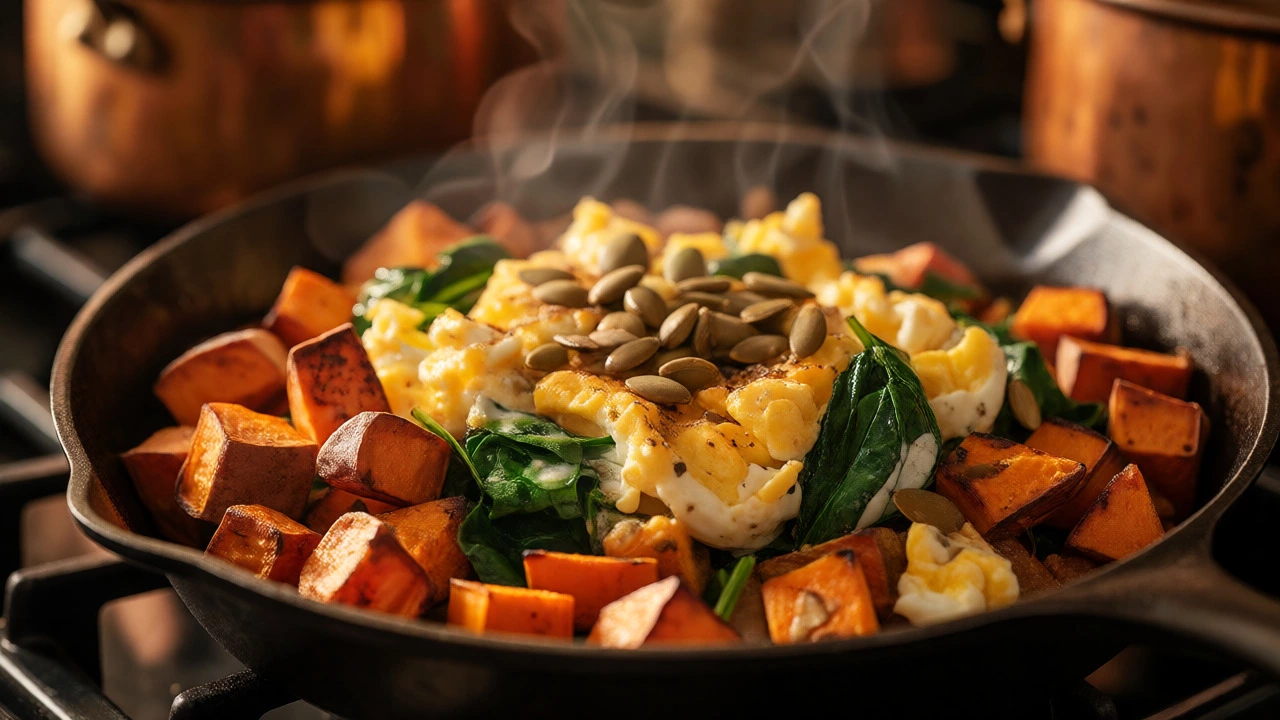
3. The Egg and Sweet Potato Hash
If you prefer warm comfort food, try this. Sauté cubed sweet potatoes until tender. Scramble two or three whole eggs in the same pan with spinach. Top with a sprinkle of pumpkin seeds. Sweet potatoes offer complex carbohydrates that replenish glycogen without spiking blood sugar as violently as white bread. Eggs provide complete protein and choline, which supports brain function-crucial since fasting can sometimes cause mental fog.
Common Mistakes to Avoid
Even well-meaning fasters sabotage their progress with poor last-meal choices. Watch out for these traps:
- Overeating: Just because you are stopping eating doesn't mean you should stuff yourself. A massive meal stretches the stomach and triggers digestive discomfort. Eat until you are comfortably full, not stuffed.
- High-Sodium Foods: Salty snacks or processed meats cause water retention. When you stop drinking/eating, your body tries to rebalance fluids, leading to bloating or frequent bathroom trips. Stick to natural flavors.
- Sugar Crashes: Desserts or sugary drinks right before fasting lead to reactive hypoglycemia. You might feel shaky and irritable within two hours of starting your fast.
- Ignoring Hydration: Your last meal is your last chance to get water-rich foods into your system. Skipping this step often leads to headaches during the fast.
Hydration Strategy Before You Stop
Food is only half the equation. Water is critical. Many people underestimate how much fluid they lose through normal metabolic processes. Before you close your eating window, drink at least 16-20 ounces of water. Consider adding a pinch of sea salt or an electrolyte supplement if you tend to get lightheaded. Sodium helps your cells absorb water more effectively. Without adequate electrolytes, you might drink plenty of water but still feel dehydrated.
Herbal teas are also great. Chamomile or peppermint tea can soothe the digestive tract and prepare your mind for the break from food. Avoid caffeine right before fasting if you are sensitive to its diuretic effects, though some people find a small cup helpful for focus.
Tailoring Your Meal to Your Fasting Type
Not all fasts are the same. Your strategy should shift based on duration:
- Intermittent Fasting (16:8): You don't need a huge calorie load. Focus on protein and fiber to bridge the gap until your next meal. A moderate-sized salad with chicken works perfectly.
- 24-Hour Fast: You need more substantial fuel. Increase healthy fats slightly to extend satiety. Include complex carbs to spare muscle breakdown.
- Prolonged Fasts (48+ hours): Electrolytes become paramount. Ensure your last meal includes potassium-rich foods like avocados or spinach. Magnesium sources like nuts or seeds help prevent cramps.
Remember, consistency matters more than perfection. If you consistently eat balanced, nutrient-dense meals before fasting, your body adapts faster. You’ll notice less hunger, better energy levels, and clearer thinking during your fasting windows.
Frequently Asked Questions
Can I eat dessert before starting a fast?
It depends on the type of dessert. A small piece of dark chocolate (70%+) is okay because it contains antioxidants and minimal sugar. However, cakes, cookies, or ice cream loaded with refined sugar and dairy can cause significant blood sugar spikes and subsequent crashes, making the first few hours of your fast uncomfortable. If you crave sweetness, opt for berries instead.
Should I take supplements with my last meal?
Yes, especially if you are prone to electrolyte imbalances. Taking magnesium, potassium, or sodium supplements with your last meal ensures absorption while food is present. Some vitamins, like Vitamin D and Omega-3s, are fat-soluble and require dietary fat for optimal uptake, so pairing them with your final meal maximizes their benefit.
Is coffee allowed before the fast starts?
Black coffee is generally acceptable and may even enhance autophagy (cellular cleanup). However, if you are sensitive to caffeine, it might increase anxiety or jitteriness once food stops buffering its effects. If you drink coffee, limit it to one cup and pair it with water to counteract mild diuretic effects. Avoid adding milk or sugar, as these technically break the fast depending on your strictness level.
How long after eating should I wait to start fasting?
There is no hard rule, but allowing 1-2 hours after finishing your meal before beginning the official fasting timer can aid digestion. This prevents acid reflux or discomfort when lying down or sleeping. However, most intermittent fasting protocols allow you to count the time immediately after your last bite. Listen to your body; if you feel overly full, waiting a bit longer can make the experience more pleasant.
What if I forget to plan my last meal?
Don't panic. Grab whatever protein and vegetable options are available. A handful of almonds and a banana is better than skipping the meal. The key is avoiding pure sugar or empty calories. Even a suboptimal meal is better than none, as it provides essential nutrients and prevents excessive hunger later. Adjust your hydration accordingly.