
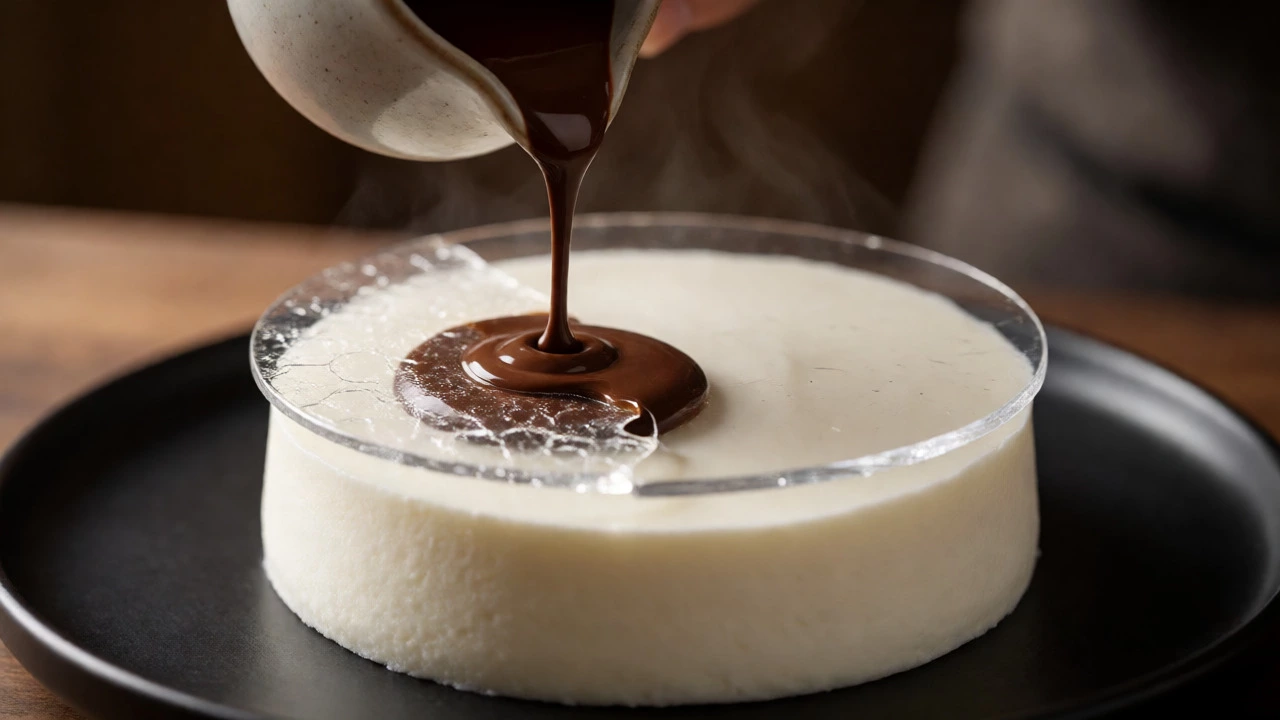
Burn Away Cake Simulator
Experiment with the physics of the "melting cake." Adjust the parameters below to see how different conditions affect the disappearance of the sugar glass layer.
You’ve probably seen those viral videos on TikTok or Instagram where a chef pours hot liquid over a cake, and suddenly, the top layer dissolves into thin air-or rather, it seems to. It looks like magic, but it’s actually chemistry. This is the burn away cake, also known as a melting cake. It isn’t a single specific recipe you find in every bakery; it’s a technique that plays with perception and physics.
If you’re confused about how a solid object can vanish when heated, you aren’t alone. Most people assume baking involves rigid structures that stay put until you bite them. But this dessert flips that idea on its head. By the time you finish reading this, you’ll understand exactly what happens under the hood, why it works, and whether you should try making one at home. Spoiler alert: it’s less about the oven and more about the sugar.
The Core Concept: Sugar Glass vs. Traditional Crusts
At its heart, a burn away cake relies on a very specific component: sugar glass. Unlike the crunchy crust of a pie or the fluffy top of a sponge, sugar glass is amorphous. It doesn’t have a crystalline structure. When heated, it doesn’t melt gradually like butter; it transitions from a solid state to a viscous liquid almost instantly if the temperature is right.
This layer sits atop a softer base, usually a mousse, custard, or cheesecake. The "burn" isn’t fire. It’s heat transfer. When a warm sauce or melted chocolate is poured over the sugar glass, the thermal energy breaks the hydrogen bonds holding the sugar molecules together. The result? The top layer liquefies and flows away, revealing the surprise inside.
| Feature | Standard Frosting/Crust | Burn Away (Sugar Glass) Layer |
|---|---|---|
| Composition | Butter, flour, eggs, cream cheese | Pure sucrose, glucose syrup, water |
| Reaction to Heat | Softens slowly, may brown | Dissolves rapidly upon contact with hot liquid |
| Texture Before Heating | Solid, chewy, or creamy | Hard, brittle, transparent |
| Visual Effect | Static appearance | Dynamic disappearance or transformation |
How the Magic Trick Actually Works
Let’s break down the science without getting too bogged down in textbooks. Think of sugar glass like ice. If you leave an ice cube on the counter, it melts slowly. But if you pour boiling water over it, it vanishes quickly. In a burn away cake, the sugar glass is the ice, and the pouring sauce is the boiling water.
The key is the glass transition temperature. For pure sucrose, this occurs around 160°C (320°F) during creation, but once set, it remains stable at room temperature. However, it has no fixed melting point. It just gets softer and softer until it flows. When you introduce a liquid that is significantly warmer than the ambient temperature-say, a 60°C chocolate ganache-the sugar glass absorbs that heat immediately. Because the layer is often extremely thin (sometimes only 1-2 millimeters), the heat penetrates through the entire sheet in seconds.
This rapid phase change creates the visual effect of the cake "burning away." There is no combustion involved. No flames. No smoke. Just molecular motion speeding up until the solid structure collapses.
Common Variations You Might Have Seen
Not all burn away cakes look the same. Chefs use different materials to achieve the disappearing act. Here are the three most common types:
- The Chocolate Shell: A thin layer of tempered chocolate covers a mousse. When hot caramel is poured over it, the chocolate melts into the caramel, creating a swirl effect. This is popular in high-end French patisseries.
- The Isomalt Sheet: Isomalt is a sugar substitute derived from beet sugar. It stays clear longer than regular sugar and resists humidity better. Chefs use it for intricate decorations that dissolve when warm tea or broth is added.
- The Frozen Foam: Some modernist chefs freeze a delicate foam made from fruit juice. When placed on a warm plate, the foam collapses into a liquid sauce. While technically not "burning," it achieves the same visual surprise.
Each variation requires precise temperature control. If your sauce is too cool, the layer won’t disappear fast enough, and the cake becomes soggy before it looks magical. If it’s too hot, you might cook the underlying dessert, turning a delicate mousse into scrambled eggs.
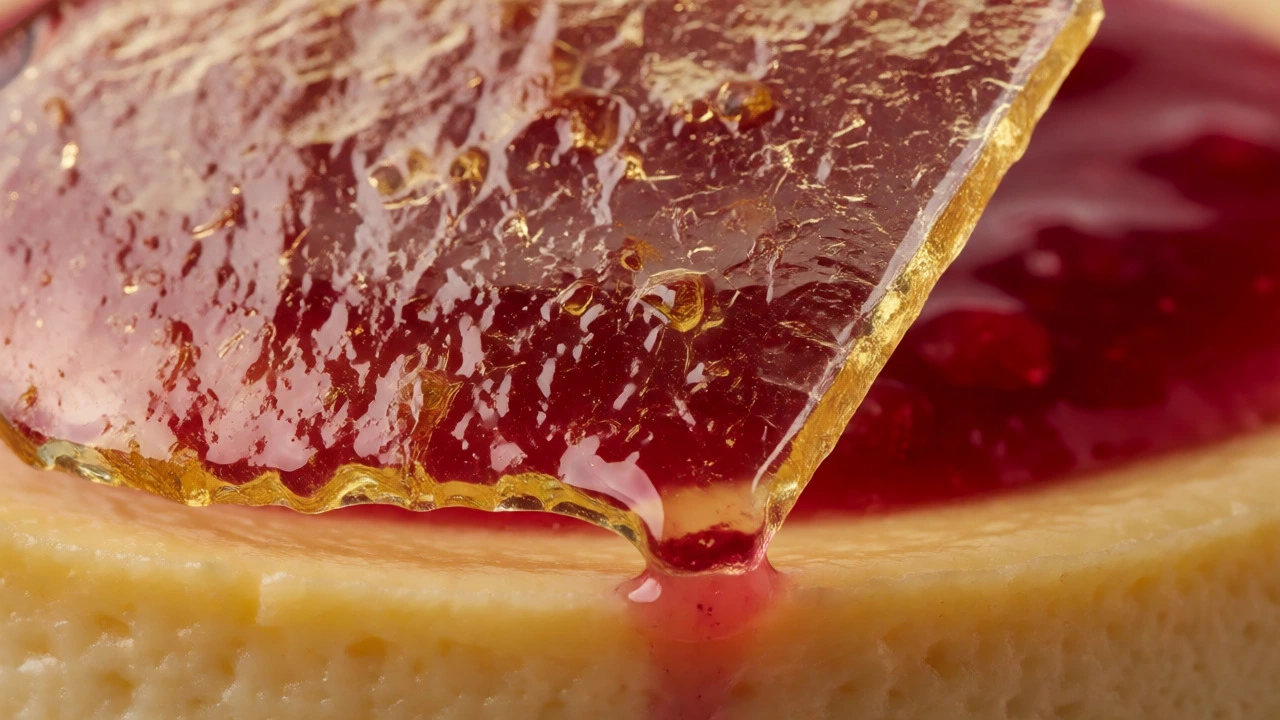
Why Chefs Love This Technique
You might wonder, why bother with the extra step? Why not just serve a normal cake? The answer lies in experiential dining. People don’t just eat with their mouths anymore; they eat with their eyes and phones. A burn away cake provides a moment of interaction. The guest participates in the final assembly of their dish.
It also solves a texture problem. Sometimes, a heavy topping overwhelms a light base. By removing the topping visually and texturally through melting, you create a contrast. You get the crunch of the initial presentation followed by the smoothness of the revealed interior. It adds drama to otherwise simple desserts like panna cotta or vanilla bean cheesecake.
Furthermore, it allows for customization. The sauce you pour can be different for each guest. One person gets a raspberry coulis, another gets salted caramel. The base remains neutral, but the experience changes based on what disappears and what reveals itself.
Can You Make One at Home?
Absolutely. You don’t need a blowtorch or a lab coat. Here is a simplified approach for a home kitchen:
- Prepare the Base: Bake a standard vanilla sponge or chill a store-bought cheesecake. Ensure it is cold. Cold bases help preserve the integrity of the top layer until service.
- Make the Sugar Glass: Combine 200g of white sugar, 50ml of water, and 1 teaspoon of lemon juice in a saucepan. Do not stir after the sugar dissolves. Cook until it reaches a light amber color (approx. 150°C). Pour onto a silicone mat and let it harden. Break it into shards or cut it into sheets.
- Assembly: Place the sugar glass shard on top of the cake. Keep it in the fridge until the last second. Humidity is the enemy here; moisture in the air will make the sugar sticky and cloudy.
- The Reveal: Warm your serving sauce (chocolate, fruit puree, or cream) to about 50-60°C. Pour it directly over the center of the sugar glass. Watch it dissolve within 10-15 seconds.
Pro tip: Use glucose syrup instead of corn syrup if you want a clearer glass. Glucose prevents crystallization, keeping the layer transparent and crisp.
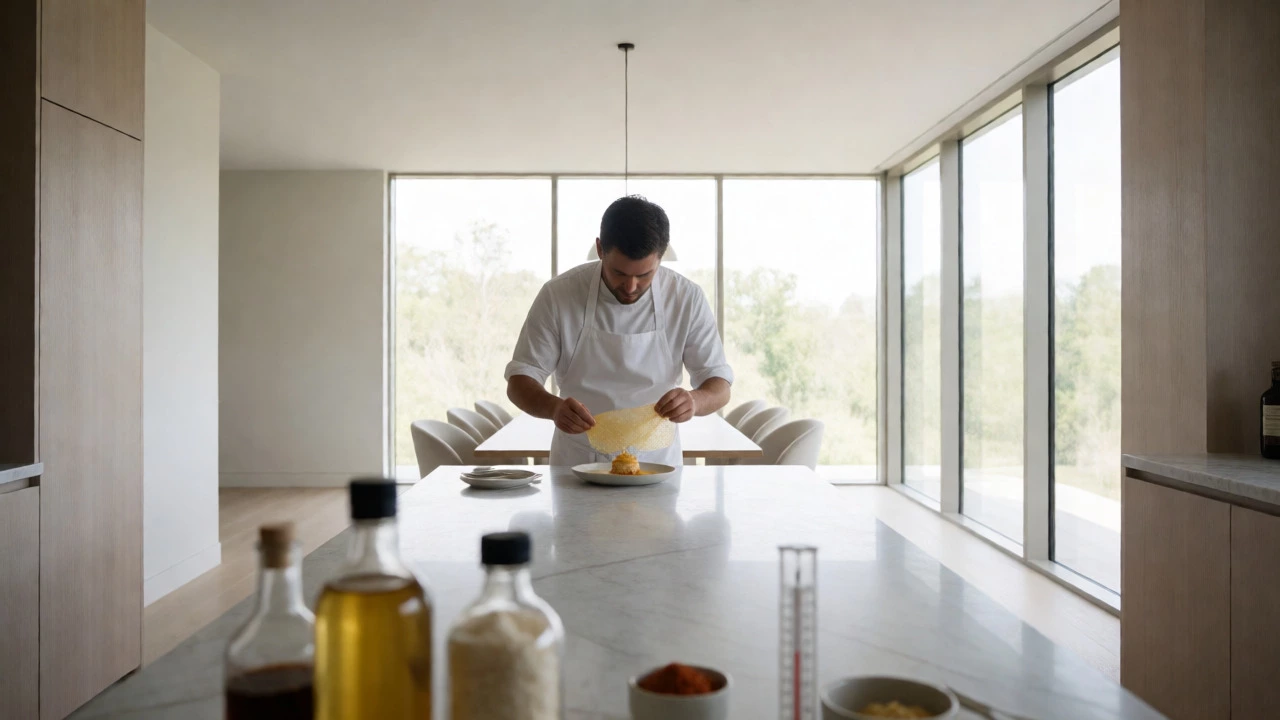
Pitfalls to Avoid
Making these desserts is tricky because sugar is unforgiving. Here are the most common mistakes:
- Humidity Control: If you live in Manchester or any damp climate, sugar glass absorbs moisture from the air rapidly. Work in a dry environment or add the glass layer just before serving. Never prep it hours in advance unless you have a dehydrator.
- Temperature Mismatch: If your sauce is lukewarm, the sugar won’t melt cleanly. It will turn into a sticky mess. Always test your sauce temperature with a thermometer.
- Thickness Issues: If the sugar layer is too thick, it acts like candy and takes minutes to dissolve. Aim for paper-thin sheets. If it’s too thin, it might crack during handling.
Remember, practice makes perfect. Your first few attempts might end up with broken glass or soggy cakes. That’s part of the learning curve. Don’t give up after one failed batch.
Frequently Asked Questions
Is a burn away cake safe to eat?
Yes, it is completely safe. The "burn" is a metaphorical term for the melting process. The ingredients are standard food-grade sugars, chocolates, and creams. There is no chemical reaction producing harmful substances.
Does it taste different from regular cake?
The taste depends entirely on the ingredients used. The sugar glass itself tastes sweet and slightly caramelized. Once melted, it mixes with the sauce and the base cake, often adding a subtle crunch or a smoother mouthfeel depending on the timing of consumption.
Can I use honey instead of sugar?
Honey contains fructose and water, which affects crystallization. It tends to remain sticky rather than forming a hard glass. You can use it, but the melting effect will be slower and less dramatic. Pure sucrose or isomalt yields the best results.
Why did my sugar layer turn cloudy?
Cloudiness indicates crystallization. This usually happens if you stirred the sugar mixture while it was cooking or if dust particles entered the pan. To prevent this, use a clean brush to wipe down the sides of the pan and avoid agitation once the sugar dissolves.
Is this suitable for vegans?
Yes, if you use plant-based milk for the sauce and ensure the base cake uses vegan fats. Sugar glass itself is vegan, though some strict vegans check if bone char was used in the refining process of the sugar. Using organic cane sugar usually avoids this issue.