
American Food Origin Checker
Enter a popular dish to discover its true origins and whether it can be considered 100% American.
Origin Analysis
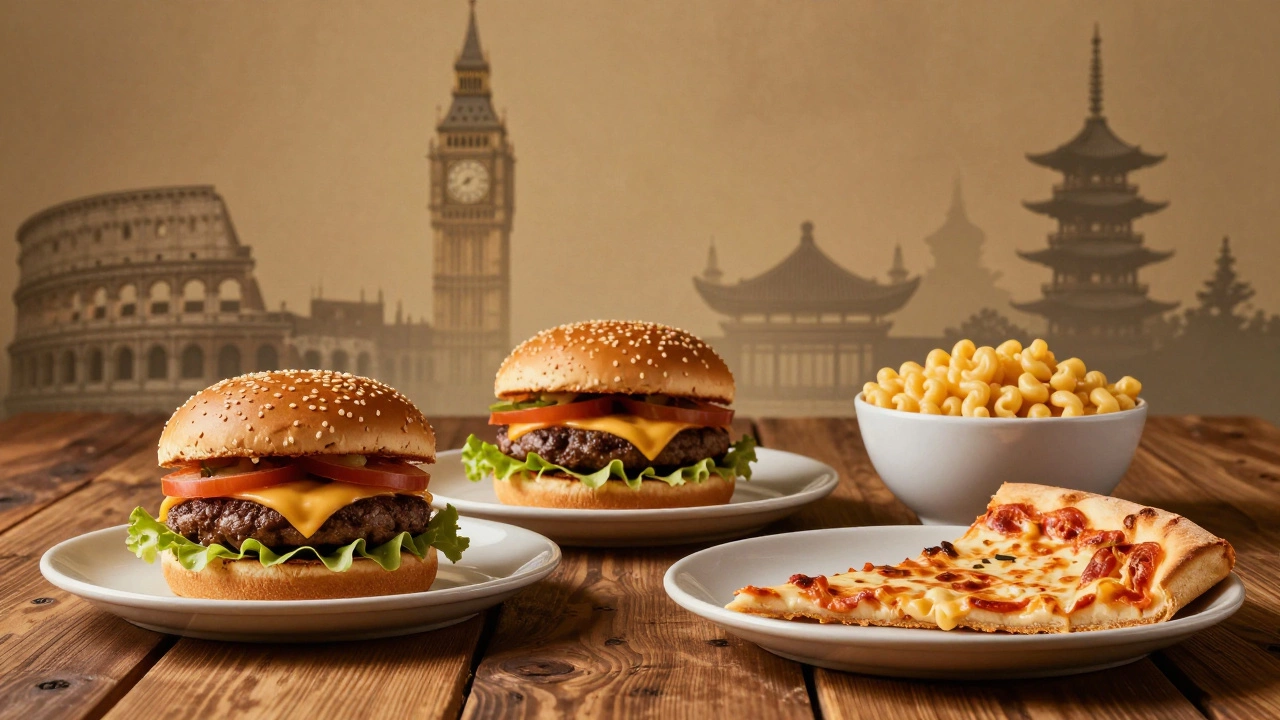
Grab a fork and take a bite of what you think is the most American meal on your plate. Maybe it’s a juicy burger, a slice of cheesy pizza, or a bowl of creamy macaroni and cheese. You’re eating comfort food that feels like home. But here’s the twist: almost nothing on that plate was invented in the United States. In fact, if you dig into the history books, you’ll find that "100% American" food is mostly a myth wrapped in marketing.
We love to claim certain dishes as our own. We wave flags over barbecue pits and celebrate Thanksgiving with turkey dinners that feel ancient. Yet, when we trace the ingredients, techniques, and names back to their roots, they lead us across oceans to Italy, Germany, China, and West Africa. So, what does it mean for a dish to be truly American? And more importantly, what foods can we actually call our own without getting called out by historians?
The Myth of the Purely Native Dish
To understand why finding a 100% American dish is so hard, we have to look at how America was built. The United States is a nation of immigrants. From the very beginning, people brought their recipes, spices, and cooking methods with them. When you mix those influences together over three centuries, you don’t get a single pure line. You get a hybrid.
Take the humble burger, which is often cited as the ultimate American icon. While the modern fast-food version is undeniably American in its execution, the concept of ground meat patties dates back to Mongol warriors who tenderized beef by placing it under their saddles. The name itself comes from Hamburg, Germany. Americans didn’t invent the idea; we just put it between two buns, added ketchup, and scaled it up. That’s not invention; that’s adaptation.
This pattern repeats everywhere. Pizza? Italian. Tacos? Mexican. Even the apple pie, often used as a symbol of Americana, has roots in England and Central Asia. The apples themselves were brought over by European settlers. The technique of encasing fruit in pastry crust was already popular in Europe long before the first colony landed in Jamestown. So, if we define "100% American" as "invented here using only native ingredients," the list shrinks dramatically.
Ingredients That Are Truly Native
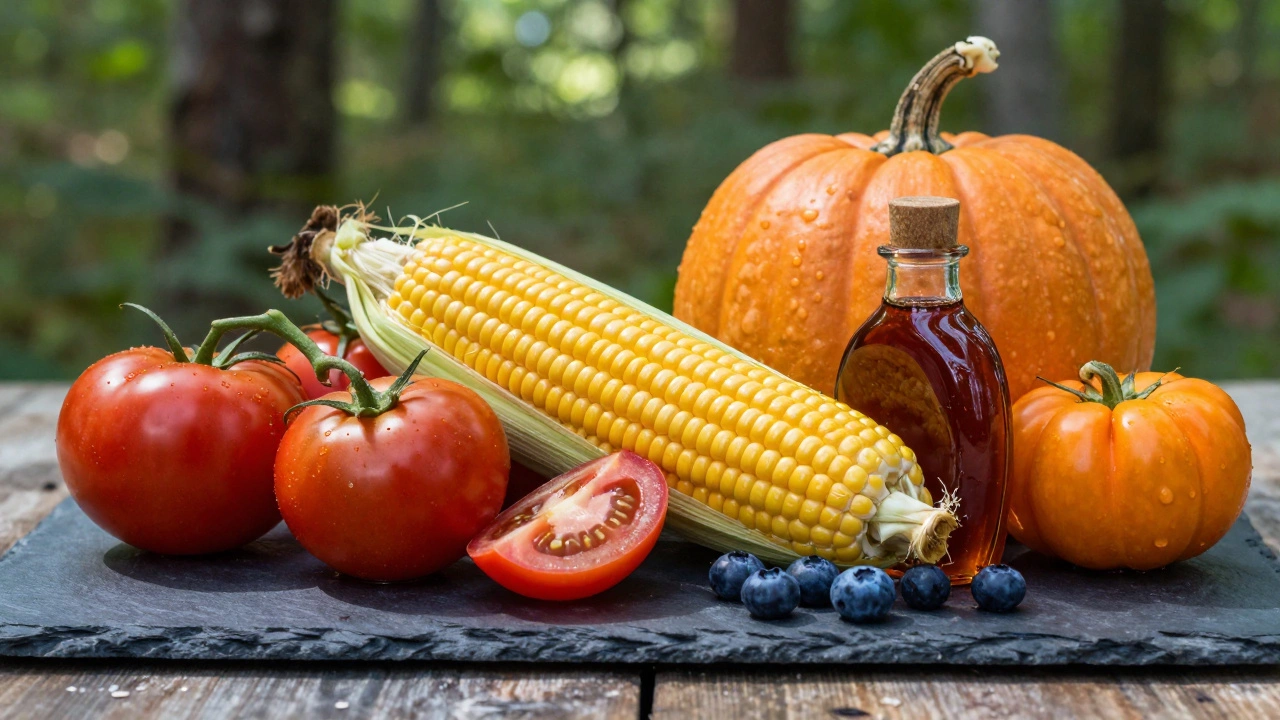
If we can’t rely on prepared dishes, let’s look at the raw materials. What grew in North America before Columbus arrived? This gives us a clearer picture of what is biologically 100% American. The indigenous peoples of this continent cultivated crops that would eventually change the world’s diet forever.
- Corn (Maize): Domesticated in Mexico thousands of years ago, corn became the staple crop for Native American tribes across the continent. It’s the backbone of many traditional diets.
- Tomatoes: Despite being feared in Europe for centuries, tomatoes are native to the Andes and western North America. They are now essential to salsa, ketchup, and pasta sauce.
- Squash and Pumpkins: These winter vegetables were among the first crops grown by Indigenous peoples. They provided vital nutrition during harsh winters.
- Blueberries: Wild blueberries grow abundantly in the northern United States and Canada. They are one of the few fruits that are distinctly native to this region.
- Maple Syrup: Made from the sap of sugar maple trees, this sweetener was developed by Indigenous peoples in the Northeast. It remains a uniquely regional product today.
These ingredients are the true foundation of American cuisine. When you eat a roasted pumpkin or a bowl of wild blueberry muffins, you are tasting something that originated right here. However, turning these ingredients into a "dish" usually involves techniques borrowed from elsewhere. For example, making cornbread requires wheat flour or baking powder, neither of which are native. Making maple syrup requires boiling equipment that evolved from metal pots introduced by Europeans.
Dishes Born on American Soil
So, are there any dishes that were actually created in the United States? Yes, but they are fewer than you might think. These dishes emerged from the unique cultural melting pot of the 19th and 20th centuries. They combine native ingredients with immigrant techniques in new ways.
| Dish | Common Perception | Actual Origin |
|---|---|---|
| Hamburger | American | German (Hamburg steak) + American presentation |
| Pizza | American (New York style) | Italian (Naples), adapted in US |
| Hot Dog | American | German (frankfurter), sold by street vendors in US |
| Apple Pie | American | English/Central Asian recipe, American apples |
| Cobbler | American | Scottish/Irish origin, popularized in US South |
| Fried Chicken | American (Southern) | Scottish frying technique + African spice blends |
One strong candidate for a truly American invention is the hot dog. While the sausage itself is German, the combination of the frankfurter in a split bun, topped with mustard and relish, was perfected by American street vendors in the late 19th century. It became a staple of baseball games and carnivals, creating a cultural ritual that is uniquely American.
Another contender is macaroni and cheese. Thomas Jefferson served a version of it at the White House after bringing the recipe from France. However, the boxed, processed version created by Kraft in the 1930s transformed it into a mass-market American staple. The way we eat it now-creamy, cheesy, and baked-is a distinctly American adaptation.
Then there’s chili con carne. Often associated with Texas, chili is a complex blend of Spanish chilies, African okra (sometimes), and Native American beans and corn. It evolved in the borderlands where cultures collided. No single country can claim it exclusively, but its birthplace is firmly in the American Southwest.
The Role of Immigrant Innovation
It’s important to recognize that "American" doesn’t mean "native-born." It means "made in America." Many of our favorite dishes are the result of immigrants adapting their traditional recipes to available local ingredients. This process creates something new.
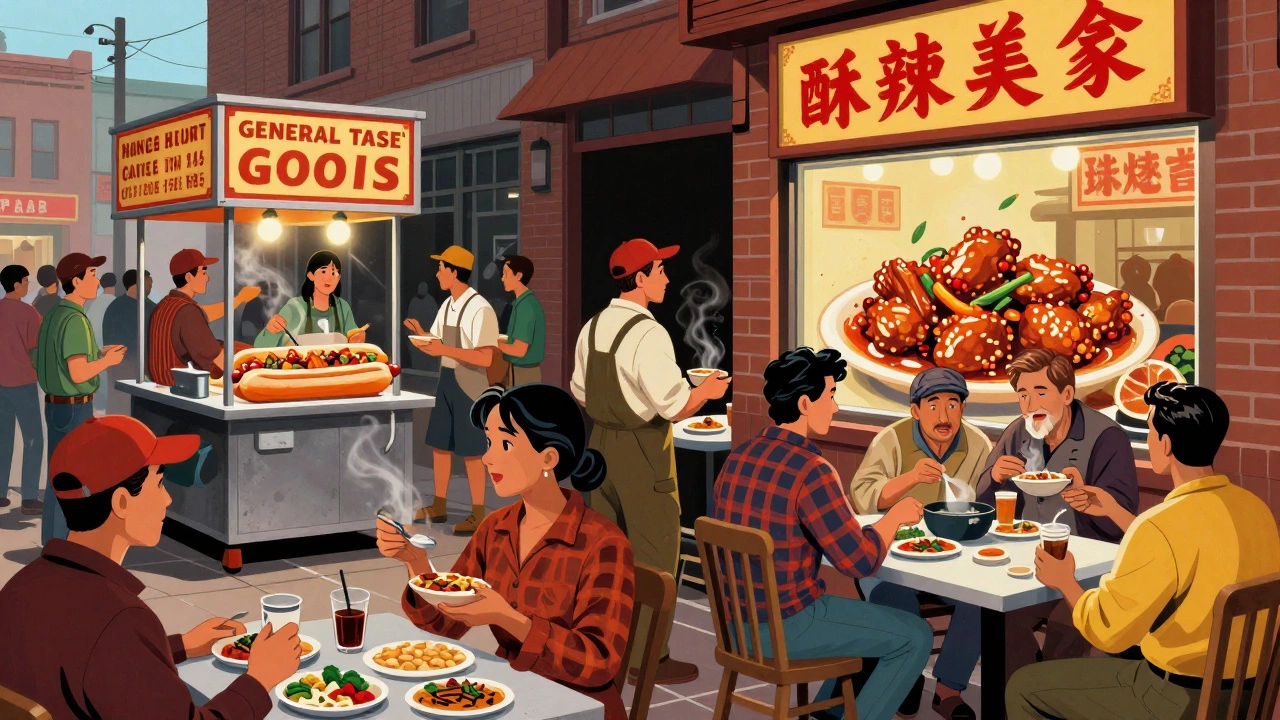
Consider Chinese-American food. Dishes like General Tso’s chicken or fortune cookies do not exist in China. They were invented by Chinese immigrants in the United States to suit American tastes. Sweet, savory, and crispy textures became the norm. These dishes are 100% American in origin, even if the name suggests otherwise. They represent a creative fusion that happened on American soil.
Similarly, Tex-Mex cuisine is not traditional Mexican food. It combines Northern Mexican cooking with German sausages, American cheeses, and dairy products. Breakfast tacos, enchiladas with melted cheddar, and fajitas are all Tex-Mex inventions. They are delicious, widely loved, and entirely American creations.
Why Does This Matter?
You might wonder why we care about the origins of our food. Isn’t it enough that we enjoy it? Knowing the history adds depth to our meals. It helps us appreciate the diversity of cultures that contributed to our national identity. It also reminds us that food is never static. It evolves, changes, and adapts.
When you sit down to dinner, you’re not just eating calories. You’re participating in a global story. Every ingredient has a journey. Every recipe has a history. By understanding where our food comes from, we gain respect for the people who grew, cooked, and shared it.
Moreover, recognizing the hybrid nature of American cuisine encourages creativity. If burgers and pizzas are adaptable, so can your cooking be. Don’t be afraid to mix traditions. Combine Indian spices with American BBQ. Use Japanese techniques on Southern vegetables. That’s how new American classics are born.
How to Cook More Authentically American
If you want to cook meals that reflect the true spirit of American food, focus on simplicity and quality ingredients. Here are some tips to help you create dishes that feel genuinely rooted in this country’s culinary heritage.
- Use Seasonal Produce: Buy fruits and vegetables that are in season locally. This connects you to the land and supports local farmers. Think summer berries, autumn squash, and spring greens.
- Embrace Regional Varieties: Instead of generic "chicken," try heritage breeds raised on specific farms. Instead of standard corn, look for heirloom varieties like Glass Gem or Oaxacan Green.
- Respect Traditional Techniques: Learn how to smoke meat, ferment vegetables, or bake bread from scratch. These skills were passed down through generations and add flavor that shortcuts can’t match.
- Mix Cultures Freely: Add cilantro to your chili. Put peanut butter on your hot dogs. Blend Korean gochujang into your barbecue sauce. Fusion is part of the American DNA.
- Share Your Meals: American dining culture revolves around community. Host potlucks, share leftovers, and invite friends over. The social aspect is just as important as the taste.
By following these principles, you’re not just cooking dinner. You’re honoring the past while shaping the future of American food. You’re contributing to a living tradition that continues to evolve.
The Future of American Cuisine
As we move forward, the definition of American food will keep changing. New immigrants bring new flavors. Climate change affects which crops can grow where. Technology introduces new ways to prepare and preserve food. The next great American dish might be made from lab-grown meat, seaweed, or insects. Who knows?
What remains constant is the spirit of innovation. Americans have always been willing to try new things, combine unexpected elements, and make them their own. That’s the real secret behind our cuisine. It’s not about purity. It’s about possibility.
So, the next time someone asks what food is 100% American, smile and say: "Everything we make together." Because in the end, American food isn’t defined by borders or bloodlines. It’s defined by the act of coming together, sharing a meal, and creating something new from the mix.
Is pizza really Italian or American?
Pizza originated in Naples, Italy, as a simple flatbread topped with tomatoes and cheese. However, the large, thin-crust slices served in New York City and Chicago-style deep-dish pizza are distinctly American adaptations. So, while the base is Italian, the popular styles we know today are American inventions.
What is the oldest food in America?
The oldest foods in America are those cultivated by Indigenous peoples before European contact. Corn (maize), squash, beans, and sunflowers are among the earliest domesticated crops. These plants have been grown in North America for thousands of years and form the basis of many traditional diets.
Did Thomas Jefferson invent macaroni and cheese?
Thomas Jefferson did not invent macaroni and cheese, but he helped popularize it in the United States. He encountered the dish in France and brought the recipe back to Monticello. Later, in the 1930s, Kraft Foods created a boxed version that made it accessible to millions of American families, cementing its status as a national staple.
Are hot dogs considered American food?
Yes, hot dogs are considered American food. Although the sausage itself comes from Germany, the practice of serving it in a split bun with condiments like mustard and relish was developed by American street vendors in the late 19th century. It became deeply embedded in American culture, especially at baseball games and fairs.
What makes a dish "American" if it uses foreign ingredients?
A dish becomes "American" when it is created, adapted, or popularized within the United States, reflecting the country's diverse cultural influences. Ingredients may come from abroad, but the combination, preparation method, and cultural context define it as American. Examples include Tex-Mex, Chinese-American, and Jewish deli foods.
Is fried chicken originally from the South?
Southern fried chicken is a fusion of Scottish frying techniques and African spice blends. Enslaved Africans brought knowledge of seasoning and cooking methods, while Scots introduced the idea of frying meat in fat. The resulting dish became a cornerstone of Southern cuisine and later spread nationwide, becoming an iconic American food.
Can I make my own American-inspired dish?
Absolutely! American cuisine thrives on experimentation and fusion. Try combining ingredients from different cultures, such as adding sriracha to your grilled cheese or using kimchi in a taco. There are no strict rules-just creativity and enjoyment. Your unique creation could become the next great American classic.