
Carb Impact Estimator
Configure Your Meal
Apply Mitigation Strategies:
Analysis Results
Enter values and click Estimate to see results.
Have you ever eaten a bowl of pasta or a slice of bread and felt like your energy crashed an hour later? You are not alone. For many people, the idea of cutting out carbohydrates completely feels impossible. We love rice, potatoes, and yes, even that occasional piece of chocolate cake. But here is the question that keeps popping up in kitchens across Manchester and beyond: what cancels out carbs?
The short answer is: nothing truly "cancels" them out in a magical way. However, science gives us some powerful tools to blunt the impact of carbohydrates on our blood sugar levels. By pairing carbs with specific nutrients, we can slow down digestion, reduce glucose spikes, and keep our energy stable. This isn't about cheating; it's about working smarter with your body's biology.
The Myth of "Carb Cancellation"
First, let's clear up a common misconception. When people ask what cancels out carbs, they often mean, "How do I eat carbs without spiking my insulin?" There is no food that erases the calories or the glycemic load of a carbohydrate source instantly. If you eat 50 grams of sugar, your body will still process those 50 grams.
However, the speed at which your body processes those carbs matters immensely. A rapid spike in blood sugar leads to a rapid crash, leaving you tired, hungry, and craving more sugar. By slowing this process, you mimic the metabolic state of someone who ate fewer carbs. This is where the concept of "net carbs" and food synergy comes into play.
Fiber: The Ultimate Carb Buffer
If there is one nutrient that comes closest to canceling out carbs, it is dietary fiber. Fiber is a type of carbohydrate that your body cannot digest. Because it passes through your system largely intact, it doesn't raise blood sugar levels. More importantly, it physically slows down the absorption of other sugars.
Think of fiber as a speed bump on the highway of your digestive tract. Without it, glucose zooms into your bloodstream like a sports car on an empty road. With fiber, that same glucose moves slowly, giving your pancreas time to release insulin gradually. This is why whole grains have a lower glycemic index than refined white flour, even though both contain similar amounts of total carbohydrates.
To maximize this effect, aim for high-fiber sources alongside any carb-heavy meal. Vegetables like broccoli, spinach, and Brussels sprouts are excellent choices. Legumes such as lentils and chickpeas are also packed with fiber. A simple rule of thumb: for every serving of starchy carbs, add two servings of fibrous vegetables.
Fat: The Digestion Brake
Fat is another powerful tool for managing carb intake. While fat does not bind to carbs like fiber does, it significantly slows gastric emptying. This means food stays in your stomach longer, leading to a slower, more steady release of glucose into the bloodstream.
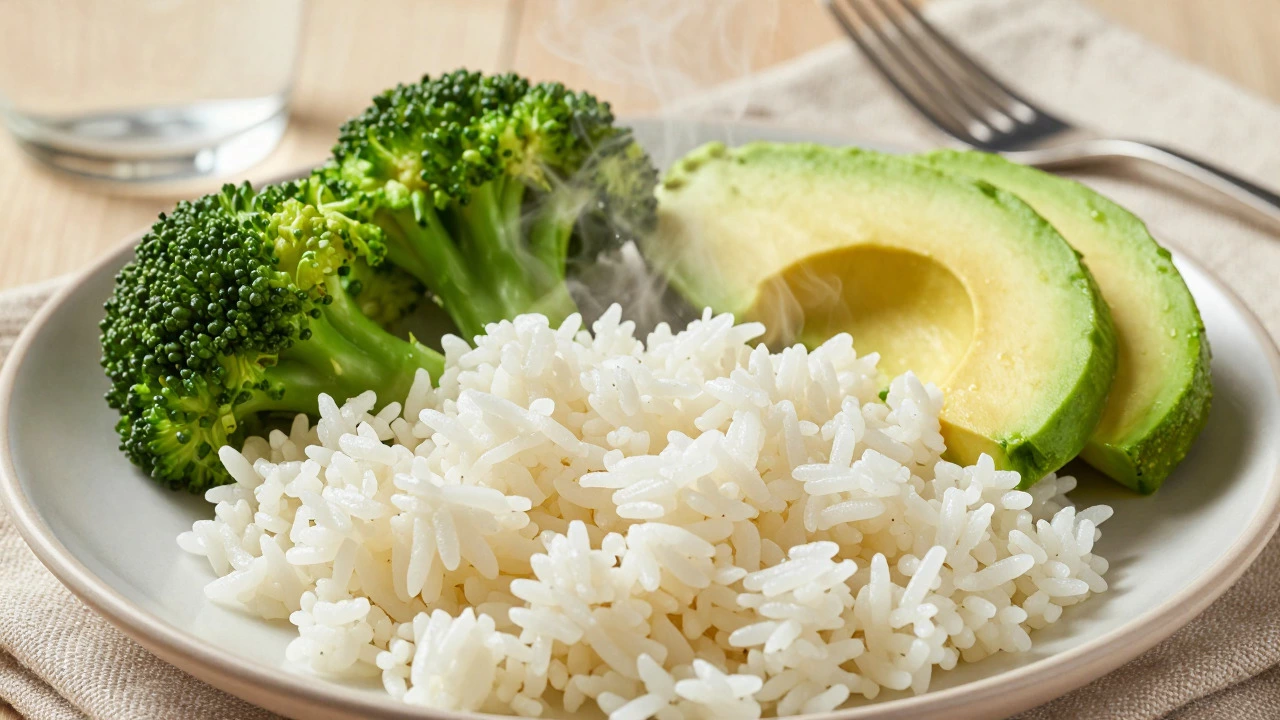
This principle is central to the ketogenic diet and other low-carb lifestyles. Adding healthy fats to your meals can transform a high-glycemic dish into a balanced one. For example, eating plain white rice might cause a sharp blood sugar rise. But if you eat that same rice with avocado, olive oil, and fatty fish, the impact is much softer.
- Avocado: High in monounsaturated fats and fiber, making it a dual-action buffer.
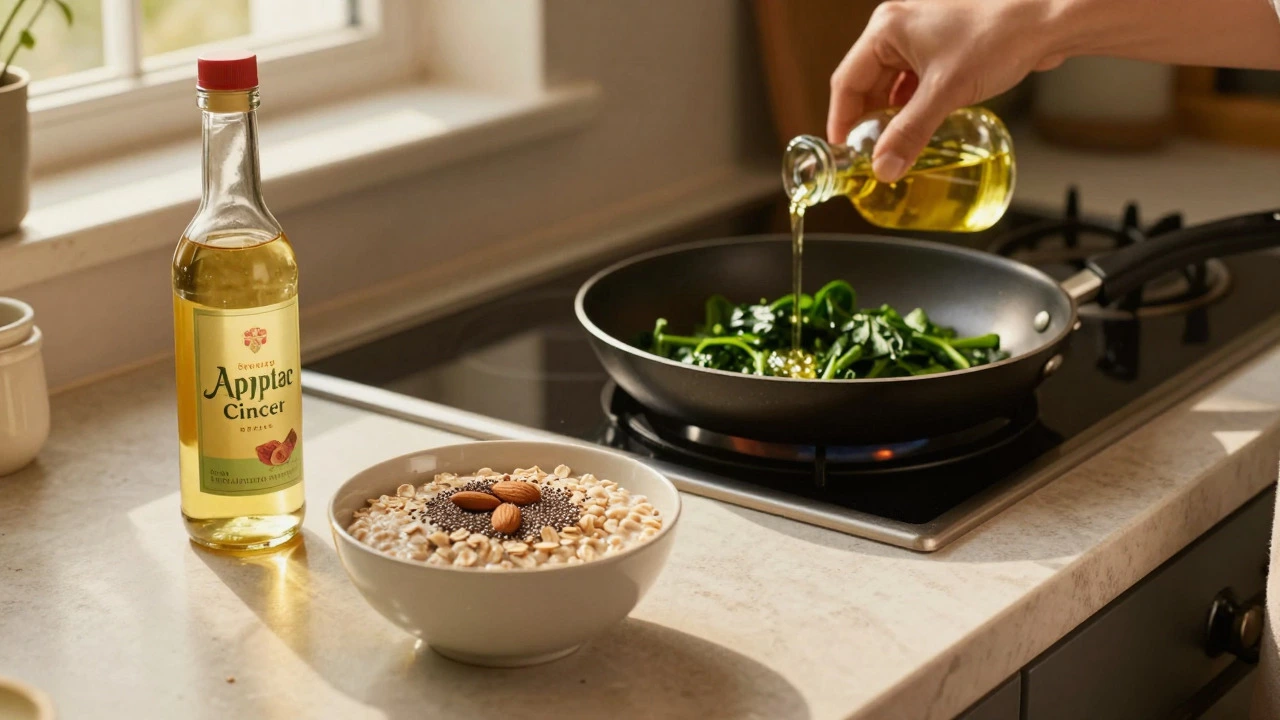
- Olive Oil: Drizzling extra virgin olive oil over vegetables or grains adds satiety and slows digestion.
- Nuts and Seeds: Almonds, chia seeds, and flaxseeds provide fat and fiber in small, manageable portions.
- Fatty Fish: Salmon and mackerel offer omega-3 fatty acids that support metabolic health.
When planning low-carb recipes, never skip the fat. It is not just for flavor; it is a functional ingredient that helps regulate how your body handles carbohydrates.
Protein: The Satiety Stabilizer
Protein plays a slightly different role. While it has a minimal effect on blood sugar directly, it promotes satiety, which helps prevent overeating carbs. Protein also stimulates the release of glucagon-like peptide-1 (GLP-1), a hormone that slows gastric emptying and reduces appetite.
Incorporating adequate protein into every meal ensures that you are less likely to reach for sugary snacks later. Chicken, beef, eggs, tofu, and Greek yogurt are all excellent protein sources. When combined with fiber and fat, protein creates a complete nutritional profile that minimizes the negative effects of incidental carbohydrates.
Vinegar: The Surprising Ally
Here is a trick that might surprise you: vinegar. Studies have shown that consuming vinegar before or with a carb-heavy meal can improve insulin sensitivity and lower post-meal blood sugar spikes. The acetic acid in vinegar inhibits enzymes that break down complex carbohydrates into simple sugars.
You don't need to drink a shot of vinegar to get the benefits. Simply adding a tablespoon of apple cider vinegar or balsamic vinegar to a salad dressing or marinade can make a difference. This is particularly useful when dining out or eating foods you cannot control, like bread at a restaurant.
Food Order Matters
Beyond what you eat, how you eat it matters. Research suggests that the order in which you consume foods can significantly impact blood sugar responses. Eating vegetables and proteins first, followed by fats, and saving carbohydrates for last can reduce post-meal glucose spikes by up to 73% compared to eating carbs first.
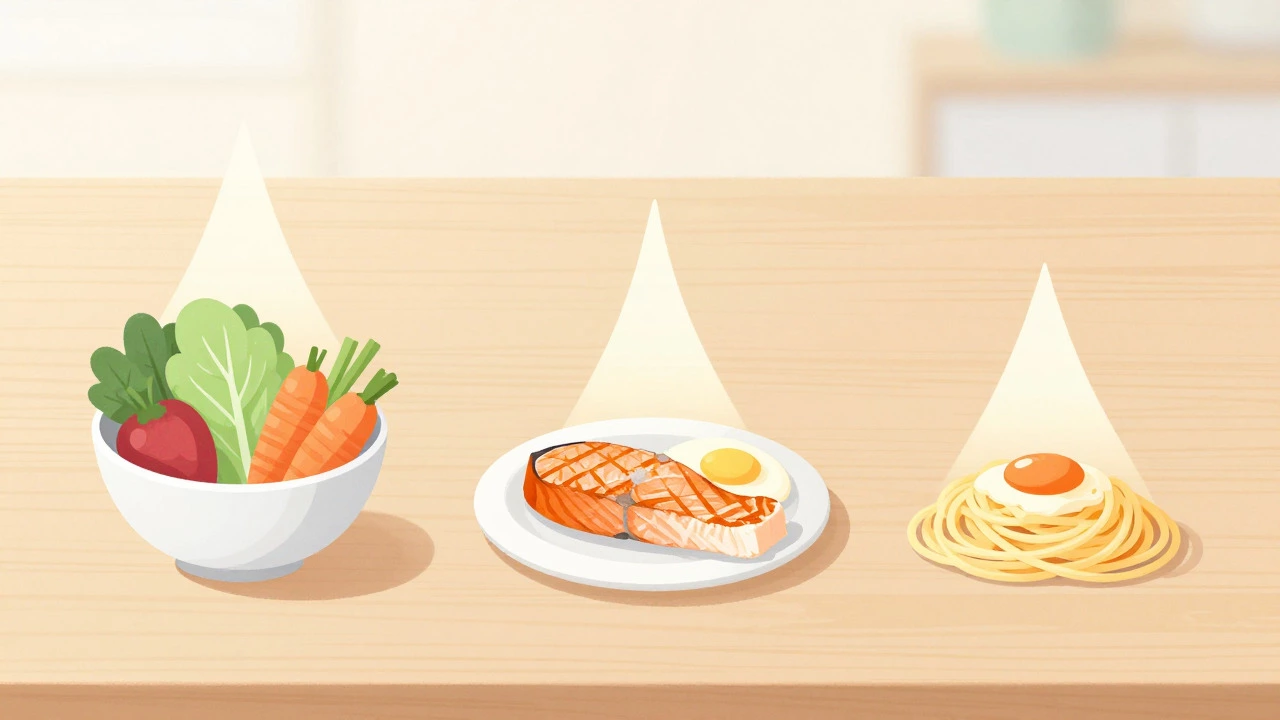
This technique is easy to implement. Start your meal with a green salad or steamed vegetables. Then, eat your meat, fish, or legumes. Finally, enjoy your rice, potatoes, or bread. This simple shift allows the fiber and protein to line your stomach, creating a buffer for the incoming carbohydrates.
Practical Tips for Low-Carb Living
Implementing these strategies doesn't require strict deprivation. It requires mindful pairing. Here are some practical ways to apply these principles in your daily cooking:
- Boost Your Veggies: Double the vegetable portion in any recipe. If a stir-fry calls for one cup of broccoli, use two. Add spinach, kale, or zucchini to pasta dishes.
- Choose Whole Grains: Swap white rice for brown rice, quinoa, or cauliflower rice. Swap white bread for whole grain or sourdough, which has a lower glycemic impact due to fermentation.
- Add Healthy Fats: Cook with olive oil, coconut oil, or butter. Top meals with nuts, seeds, or avocado slices.
- Include Protein: Ensure every meal has a solid protein source. This could be chicken breast, salmon, tofu, or eggs.
- Use Vinegar: Incorporate vinegar-based dressings or marinades into your meals regularly.
- Move After Eating: A short walk after a meal can help muscles take up glucose from the bloodstream, further reducing spikes.
Comparison of Carb-Busting Strategies
| Nutrient/Strategy | Mechanism | Impact Level | Best Sources |
|---|---|---|---|
| Fiber | Slows digestion physically | High | Vegetables, legumes, whole grains |
| Fat | Delays gastric emptying | Medium-High | Avocado, olive oil, nuts, fatty fish |
| Protein | Increases satiety, slows digestion | Medium | Meat, eggs, dairy, tofu |
| Vinegar | Inhibits carb-digesting enzymes | Low-Medium | Apple cider vinegar, balsamic vinegar |
| Food Order | Creates physical buffer in stomach | High | Vegetables first, then protein/fat, then carbs |
Common Mistakes to Avoid
Even with these strategies, pitfalls exist. One common mistake is relying solely on "low-fat" versions of foods. Removing fat from a meal often means adding sugar or refined carbs to compensate for flavor and texture. This defeats the purpose of trying to manage blood sugar. Always prioritize whole, unprocessed foods.
Another error is ignoring portion sizes. While fiber and fat can blunt the impact of carbs, they do not eliminate the caloric content. Overeating, even healthy foods, can lead to weight gain and metabolic issues. Mindful eating remains crucial.
Finally, don't forget hydration. Water supports all metabolic processes, including digestion and nutrient transport. Drinking water before meals can also help with portion control.
Conclusion: Balance Over Deprivation
Understanding what cancels out carbs is not about finding a magic bullet. It is about building a plate that works for your body. By combining fiber, fat, protein, and smart eating habits, you can enjoy a wider variety of foods without the negative side effects of blood sugar swings. This approach allows for flexibility, sustainability, and long-term health.
Start small. Add more vegetables to your next dinner. Swap white bread for whole grain. Try eating your veggies first. These small changes compound over time, leading to better energy, improved focus, and a healthier relationship with food.
Does fat really cancel out carbs?
Fat doesn't chemically cancel out carbs, but it slows down digestion significantly. This delays the release of glucose into your bloodstream, resulting in a smaller and slower blood sugar spike compared to eating carbs alone.
What is the best food to eat with carbs?
The best foods to pair with carbs are those high in fiber, such as leafy greens, broccoli, and legumes. Adding healthy fats like avocado or olive oil and a source of protein like chicken or fish also helps stabilize blood sugar.
Can vinegar lower blood sugar after a meal?
Yes, studies show that consuming vinegar, particularly apple cider vinegar, before or with a meal can improve insulin sensitivity and reduce post-meal blood sugar spikes by inhibiting enzymes that break down carbohydrates.
Is it better to eat carbs at breakfast or dinner?
Insulin sensitivity is generally higher in the morning, meaning your body handles carbs more efficiently at breakfast than at dinner. However, the overall composition of the meal (fiber, fat, protein) matters more than the timing for most people.
Do I need to count net carbs if I eat enough fiber?
Counting net carbs (total carbs minus fiber) is a helpful strategy for low-carb diets. Since fiber doesn't raise blood sugar, subtracting it gives a more accurate picture of how a food will affect your metabolism. However, focusing on whole, high-fiber foods naturally limits excess carbs.
How long should I wait after eating to exercise?
A light walk immediately after eating can help lower blood sugar spikes. For more intense exercise, waiting 1-2 hours allows for proper digestion and prevents discomfort. Timing depends on the size of the meal and individual tolerance.
Are all fibers equal in canceling out carbs?
Not exactly. Soluble fiber, found in oats, beans, and apples, forms a gel-like substance in the gut and is particularly effective at slowing sugar absorption. Insoluble fiber, found in whole grains and vegetables, aids digestion but has less impact on blood sugar speed.
Can I still lose weight while eating carbs?
Yes, weight loss is primarily determined by calorie balance. However, choosing low-glycemic carbs paired with fiber, fat, and protein helps control hunger and cravings, making it easier to maintain a calorie deficit without feeling deprived.
What is the glycemic index and why does it matter?
The glycemic index (GI) measures how quickly a food raises blood sugar. Low-GI foods cause a slow, gradual rise, while high-GI foods cause a rapid spike. Choosing low-GI foods and pairing them with fiber and fat helps maintain stable energy levels throughout the day.
Does chewing food thoroughly help with carb digestion?
Yes, thorough chewing breaks down food mechanically and mixes it with saliva, which contains enzymes that begin breaking down starches. This can improve digestion efficiency and signal fullness to your brain earlier, potentially reducing overeating.