
Durum Wheat: What It Is, Why It Matters in Pasta and Bread
When you bite into a perfect plate of spaghetti or a chewy sourdough loaf, you’re tasting durum wheat, a hard, high-protein wheat variety prized for its golden color and strong gluten structure. Also known as triticum durum, it’s not your average wheat—it’s the kind that holds up under pressure, literally. While regular wheat turns soft and mushy when ground fine, durum wheat stays firm, making it the go-to for pasta, couscous, and traditional breads that need structure and bite.
What sets durum wheat apart is its semolina, the coarse, granular flour made by grinding durum kernels. This isn’t the fine white flour you find in most bread recipes—it’s gritty, yellow, and packed with protein. That’s why it’s the backbone of artisan pasta: when mixed with water, semolina forms a dough that doesn’t fall apart during boiling. It’s also why you’ll find it in some of the best crusty breads, especially in Mediterranean and Middle Eastern baking. The high gluten content gives elasticity, and the low moisture retention means the final product stays firm, not gummy. You won’t find durum wheat in fluffy cake flour or soft dinner rolls—it’s built for things that need to hold their shape. And while it’s often linked to Italian cooking, its use goes way beyond pasta. Think North African couscous, Ethiopian injera, and even some traditional British hard rolls. It’s not trendy—it’s timeless.
Here’s the thing: not all wheat is created equal. Durum wheat grows best in dry, hot climates—think southern Italy, North America’s Great Plains, and parts of Australia. That’s why it’s so tied to seasonal and regional cooking. When you’re using it, you’re not just picking an ingredient—you’re connecting to a centuries-old farming and milling tradition. The posts below dig into how this grain shows up in everyday cooking: from no-sauce pasta hacks that rely on its texture, to how it compares to other flours in vegan breads, and why it’s the silent hero behind many of the world’s most satisfying carbs. Whether you’re making homemade pasta or just wondering why your bread stays chewy instead of crumbling, the answers start with durum wheat.
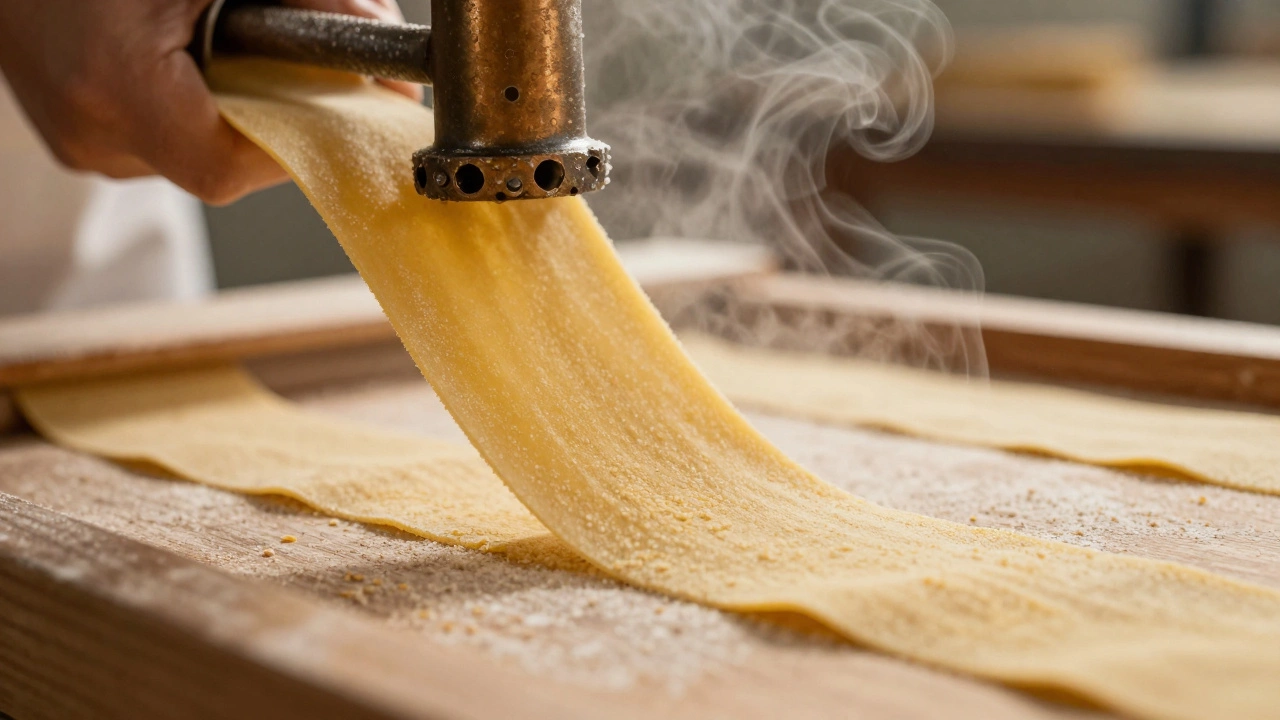
Why Pasta Tastes Different in Italy vs. the US
Italian pasta tastes better because of high-quality durum wheat, bronze die extrusion, and slow drying-not just the sauce. Here's why American pasta falls short and how to fix it at home.
More Detail