
Vegan Junk Food Checker
Not sure if that snack is vegan? Select a product below or search for it to see its status and why.
- Oreos (Original) Vegan*
- Doritos (Nacho Cheese) Non-Vegan
- Skittles (US) Caution
- Twizzlers Vegan
- Lay's Classic Vegan
- McDonald's Fries (US) Non-Vegan
- Pop-Tarts (Vanilla) Vegan
- Red Bull Vegan
Product Name
Why?
Reasoning goes here.
Key Ingredients to Watch For:
Common Hidden Animal Ingredients
| Ingredient | Source | Common In |
|---|---|---|
| Whey / Casein | Milk Proteins | Chips, Crackers, Chocolate |
| Gelatin | Boiled Animal Skin/Bones | Gummies, Marshmallows, Some Candies |
| Carmine | Cochineal Beetles | Red-colored sweets, Fruit juices |
| Shellac | Insect Resin | Shiny chocolates, Apple coatings |
| L-Cysteine | Duck Feathers / Hair | Bread, Bagels, Pretzels |
You’re standing in the snack aisle, scanning labels like a detective hunting for clues. The wrapper says "milk chocolate," but is it? Or maybe those "cheesy" crackers are hiding whey powder. Here’s the thing: you don’t need to stick to kale chips and air-popped popcorn to enjoy junk food. Some of the most popular guilty pleasures on the shelf are completely vegan by accident. Yes, by accident. Manufacturers didn’t always remove animal products for ethical reasons; sometimes they just cut costs or used cheaper vegetable oils.
This guide cuts through the marketing noise. We aren’t talking about expensive, niche health bars that taste like cardboard. We’re talking about the stuff you find at Walmart, Target, or your local gas station. If you’ve ever wondered if Oreos are safe (spoiler: yes) or if Doritos have milk (spoiler: many do), this breakdown gives you the concrete answers you need right now.
The Sweet Stuff: Candy That Passes the Test
Candy is usually the first place vegans get burned. Gelatin is everywhere in gummies, and milk solids lurk in chocolate. But plenty of classics skip these ingredients entirely. It’s not just about avoiding cruelty; it’s about knowing what’s actually in your mouth.
| Brand/Product | Vegan Status | Why? |
|---|---|---|
| Oreos | Vegan | No dairy in original recipe. Note: Cross-contamination with milk exists. |
| Sour Patch Kids | Usually Vegan | Most US versions use cornstarch, not gelatin. Check label for carmine. |
| Skittles | Non-Vegan (US) | Contains gelatin. UK/EU versions are often vegan. |
| Hershey's Kisses | Non-Vegan | Contains milk fat and confectioner's glaze. |
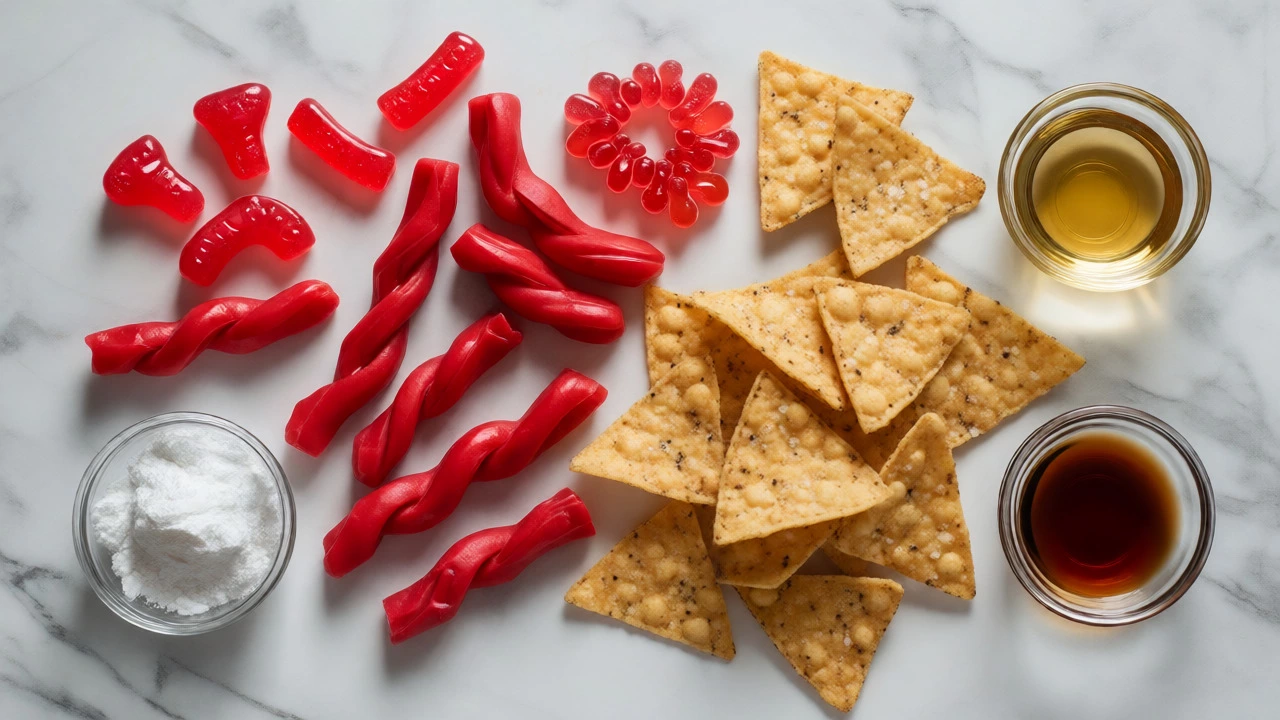
| Twizzlers | Vegan | Made from wheat flour and corn syrup. No animal fats. |
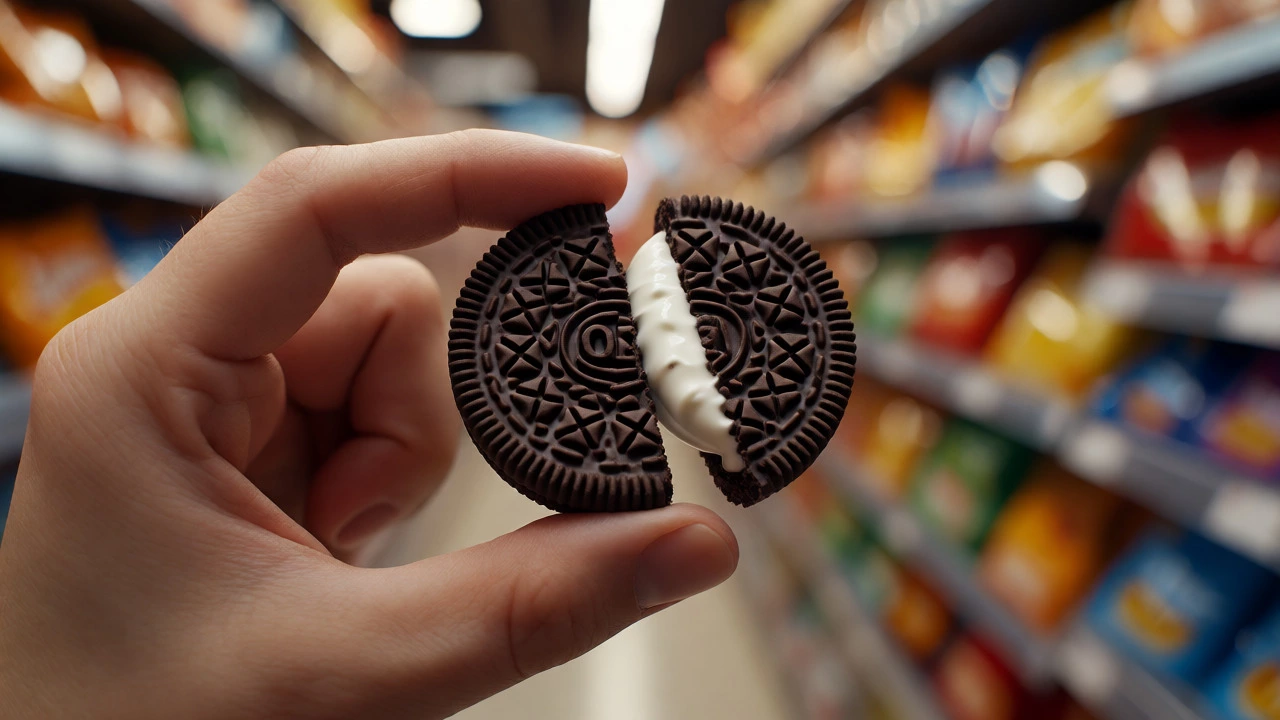
Let’s talk about Oreos the world's best-selling cookie. For years, people assumed they had milk because they taste creamy. They don’t. The filling is made from sugar, oil, and vanilla flavoring. However, Nabisco states that they are baked in facilities that also process milk. If you have a severe allergy, proceed with caution. If you’re vegan for ethics or general health, they’re fair game.
Then there’s Sour Patch Kids. In the United States, the standard version uses cornstarch as a thickener instead of gelatin. This makes them surprisingly accessible. But watch out for red dyes. Some batches use carmine, which is crushed beetles. Most modern Sour Patch Kids avoid this, but regional variations exist. Always flip the bag over.
Chips and Crunchy Snacks: The Dairy Trap
Chips seem simple. Potatoes, oil, salt. Done. But "natural flavors" and cheese powders complicate things fast. Many savory snacks rely on dairy derivatives for umami and creaminess.
Tortilla Chips made from corn masa are generally safe bets. Plain salted varieties from brands like Tostitos or Mission rarely contain animal products. The danger zone is flavored tortilla chips. Nacho Cheese, Ranch, and Queso flavors almost always contain whey, sour cream powder, or milk fat. Stick to plain, lime, or salsa-adjacent flavors if you want to stay vegan without reading a novel-sized ingredient list.
Potato chips are trickier. Lay’s Classic? Vegan. Lay’s Cheddar & Sour Cream? Not even close. But here’s a pro tip: look for brands that explicitly state "dairy-free" on the front. Kettle Brand offers several lines, like Sea Salt or Black Pepper, that are strictly vegan. Their manufacturing process separates allergens more rigorously than some mass-market competitors.
What about Doritos? This is where hearts break. In the US, most Doritos flavors contain whey powder derived from cow’s milk. Even the spicy ones. There is no widespread vegan option in the standard lineup yet, though limited editions pop up occasionally. If you crave that intense nacho dust experience, try store-brand alternatives that use nutritional yeast for flavor depth rather than actual cheese powder.
Frozen Treats and Desserts
Junk food isn’t just salty. It’s sweet, cold, and messy. Ice cream is notoriously difficult because traditional recipes require dairy fat for texture. Without it, ice crystals form, making the product gritty. But technology has caught up.
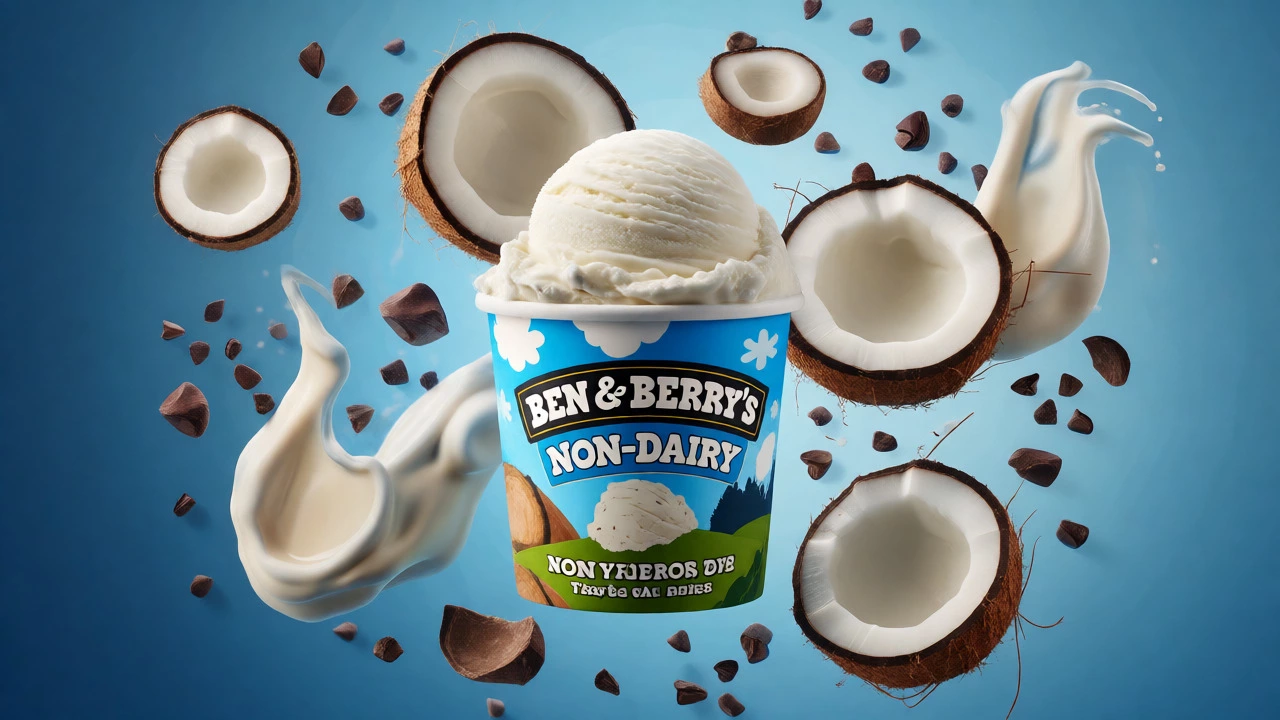
You can buy Ben & Jerry's Non-Dairy coconut-based ice cream line at almost any grocery store now. Flavors like Cherry Garcia and Cookie Dough are fully vegan. They use coconut oil to mimic the richness of cream. It’s not identical to dairy ice cream, but it scratches the itch effectively. Avoid the "Moo-phoria" or other dairy-based pints unless you check the label carefully-some mix-ins contain honey or egg yolks.
Pop-Tarts are another surprise. Most frosted varieties are accidentally vegan. The frosting doesn’t contain gelatin or shellac (a resin secreted by insects). However, strawberry flavors sometimes use carmine for color. Vanilla and Brown Sugar Cinnamon are typically safe. Just remember: Pop-Tarts are essentially sugar bombs wrapped in pastry. Vegan doesn’t mean healthy.
Beverages: More Than Just Water
When we think of junk food, we often forget drinks. Sodas, energy drinks, and coffee creamers hide animal products too. Bone char is sometimes used to filter white sugar, which technically makes refined sugar non-vegan for strict adherents. However, most large soda companies claim their sugar is filtered using carbon, not bone char. Coca-Cola and Pepsi are widely considered vegan.
Watch out for Starbucks Frappuccinos. While the base might be vegan, the whipped cream is dairy. Order it "no whip" and swap milk for oat or almond. Baristas are used to this request. It takes two seconds to customize.
Energy drinks are mostly synthetic and caffeine-heavy, so they’re usually vegan. Red Bull and Monster contain taurine, which sounds animal-derived (it was originally from bull urine), but the commercial version is synthesized in labs. It’s vegan-friendly. Just don’t confuse taurine with collagen or gelatin additives found in some protein-infused waters.
How to Spot Hidden Animal Ingredients
Labels lie by omission. Terms like "natural flavors" are legal black holes. They could mean anything from vanilla extract to castoreum (beaver secretion, rare nowadays but possible). Here’s how to decode the jargon quickly:
- Whey/Casein: Milk proteins. Avoid in chips and candies.
- Gelatin: Boiled animal skin/bones. Found in gummies and marshmallows.
- Carmine/Cochineal: Red dye from bugs. Found in red-colored sweets.
- Shellac: Insect resin used for shine on chocolates or fruit coatings.
- L-Cysteine: Often derived from duck feathers or human hair, used in dough conditioners (like some bagels or pretzels).
If you see an ingredient you don’t recognize, pause. A quick search on a dedicated vegan database app saves time. Don’t guess. Guessing leads to disappointment when you bite into a "vegan" cupcake only to realize it contained eggs.
Regional Differences Matter
A Skittle in New York might not be the same as a Skittle in London. EU regulations ban certain artificial colors and require clearer labeling of allergens. Consequently, many candies sold in Europe are vegan because they use plant-based dyes instead of carmine or gelatin. If you travel, bring a translation card for ingredients. What’s forbidden in one country might be allowed in another due to different processing standards.
Also, consider cross-contamination. If you’re vegan for ethical reasons, eating chips fried in the same oil as chicken nuggets might bother you. If you’re vegan for allergies, it’s a critical issue. Ask restaurant staff about fryer separation. At home, keep separate cutting boards and toasters to maintain integrity.
Final Thoughts on Enjoying Junk Food Responsibly
Eating vegan junk food isn’t about health optimization. It’s about convenience and enjoyment. You don’t need to feel guilty about grabbing a pack of Oreos. Just be informed. Read labels. Support brands that clearly mark their products as vegan. And remember, moderation applies regardless of dietary choices. A vegan donut still has 40 grams of sugar.
Start small. Swap one snack habit at a time. Try swapping regular gummy bears for fruit leather or licorice (check for gelatin in licorice!). Once you build confidence reading labels, navigating the snack aisle becomes second nature. You’ll spot the traps instantly and grab the good stuff without hesitation.
Are all dark chocolates vegan?
No. Many dark chocolates contain milk fat or butter oil to improve texture. Always check the label for milk ingredients, even if it says "70% cocoa." Brands like Lindt and Godiva often include dairy in their dark lines.
Is honey considered vegan in junk food?
Strictly speaking, no. Vegans avoid honey because it comes from bees. Many granola bars and sweetened cereals use honey. Look for agave nectar, maple syrup, or cane sugar as alternatives.
Can I eat McDonald's fries?
In the US, no. They contain beef flavoring (hydrolyzed milk and wheat). In India and some other countries, they may be vegetarian or vegan. Always ask local branches or check regional menus.
Are Pringles vegan?
Some are, some aren't. Original and Salt & Vinegar are often vegan, but flavors like BBQ or Onion & Sour Cream contain dairy. Check the specific ingredient list for each flavor.
What is 'natural flavor'?
It's a vague term that can include plant, animal, or mineral sources. For strict vegans, it's a risk. Contact the manufacturer if it's a frequent purchase to confirm the source.