
Fast Food vs. Healthy Lunch Swap Calculator
Select a typical fast food lunch you eat to see how much you could save and how your energy levels might change with a quick healthy swap.
Double Cheeseburger + Fries
Classic drive-thru combo
Nuggets + Soda
Quick kid-friendly meal
Bacon Sandwich
Greasy but satisfying
Chicken Burrito
Heavy on carbs & cheese
Your Swap Analysis
--
Prep/Wait Time: --
Cost: --
--
Prep Time: --
Est. Cost: --
*Assumes batch cooking components on weekends reduces weekday prep to minimal assembly time.
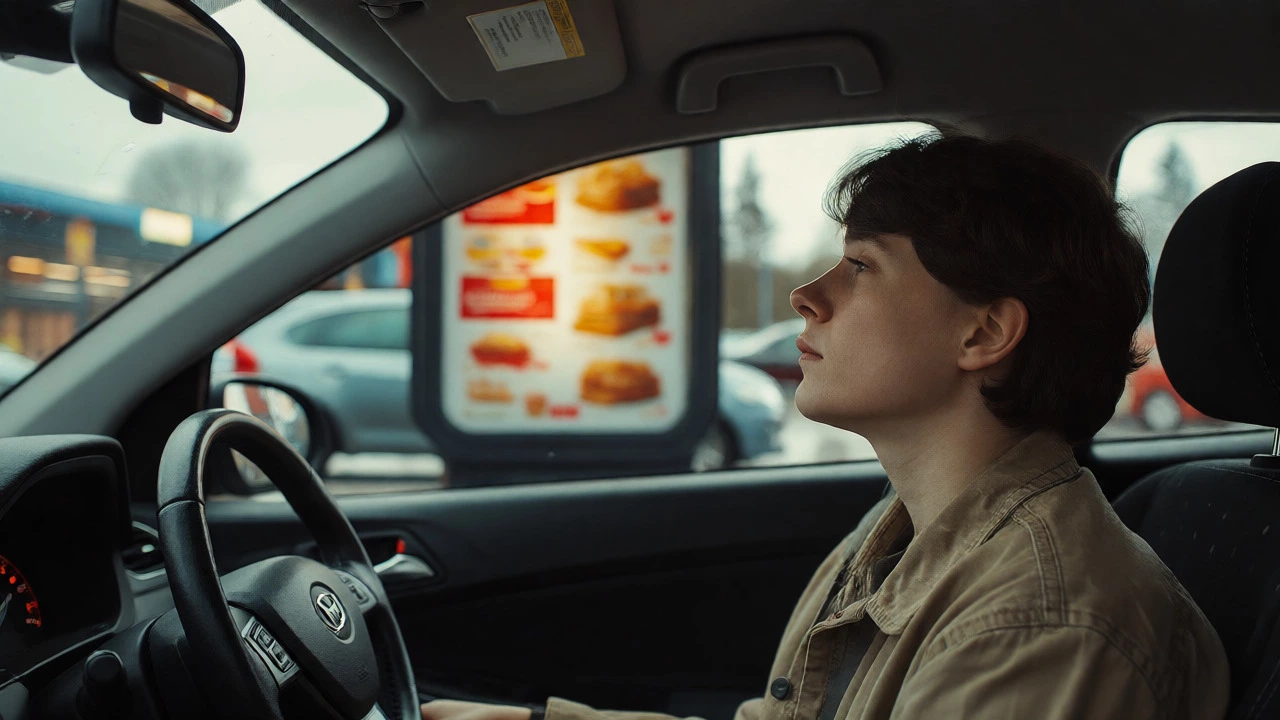
You’re standing in the drive-thru line again. The smell of frying oil hits you before you even see the menu board. You order because it’s easy, but twenty minutes later, you feel sluggish, bloated, and guilty. Sound familiar? We’ve all been there. But here’s the truth: fast food isn’t just expensive; it’s a trap designed to keep you coming back with salt, sugar, and fat ratios that your brain mistakes for satisfaction.
The real question isn’t whether you can afford the £10 burger. It’s whether you can afford the energy crash at 3 PM. If you’re looking to break the cycle without spending hours cooking, you don’t need a culinary degree. You need strategy. This guide breaks down exactly what to eat for lunch instead of fast food, focusing on options that are faster to make than waiting in traffic and better for your body than a cardboard box of nuggets.
Why Your Brain Craves Fast Food (And How to Trick It)
Before we talk about salads, let’s address why you’re reaching for the wrapper in the first place. It’s not always hunger. Often, it’s convenience fatigue. When decision-making resources are low-say, after three hours of Zoom calls-your brain defaults to the path of least resistance. Fast food wins because it requires zero effort from you.
To beat this, you have to lower the barrier to entry for healthy eating. If making a sandwich takes longer than driving to McDonald’s, you’ll choose McDonald’s. The goal is to create a system where the healthy option is actually the lazy option. Think about it: grabbing a pre-made jar of soup or a bag of nuts takes five seconds. That’s faster than parking at any restaurant.
Also, consider the sensory experience. Fast food offers intense flavor bursts. If your alternative is plain boiled chicken and steamed broccoli, you’re setting yourself up for failure. You need texture, seasoning, and variety. A good lunch should wake up your palate, not put it to sleep.
The Power Bowl Formula: Build, Don’t Buy
If you want to replace the standard fast-food combo of burger and fries, look no further than the power bowl. It’s essentially a deconstructed salad that feels like a meal. The beauty of bowls is their flexibility. You can use whatever is in your fridge, which reduces waste and saves money.
Here is the simple formula for a perfect bowl:
- Base: Quinoa, brown rice, farro, or mixed greens. These provide sustained energy rather than the spike-and-crash of white bread.
- Protein: Grilled chicken, chickpeas, tofu, hard-boiled eggs, or canned tuna. Aim for at least 20g of protein to keep you full until dinner.
- Fat: Avocado slices, olive oil dressing, nuts, or seeds. Fat slows digestion, keeping you satiated.
- Flavor Bomb: Pickled onions, kimchi, fresh herbs, or a spicy tahini drizzle. This is where you replace the 'salt hit' of fast food with complex flavors.
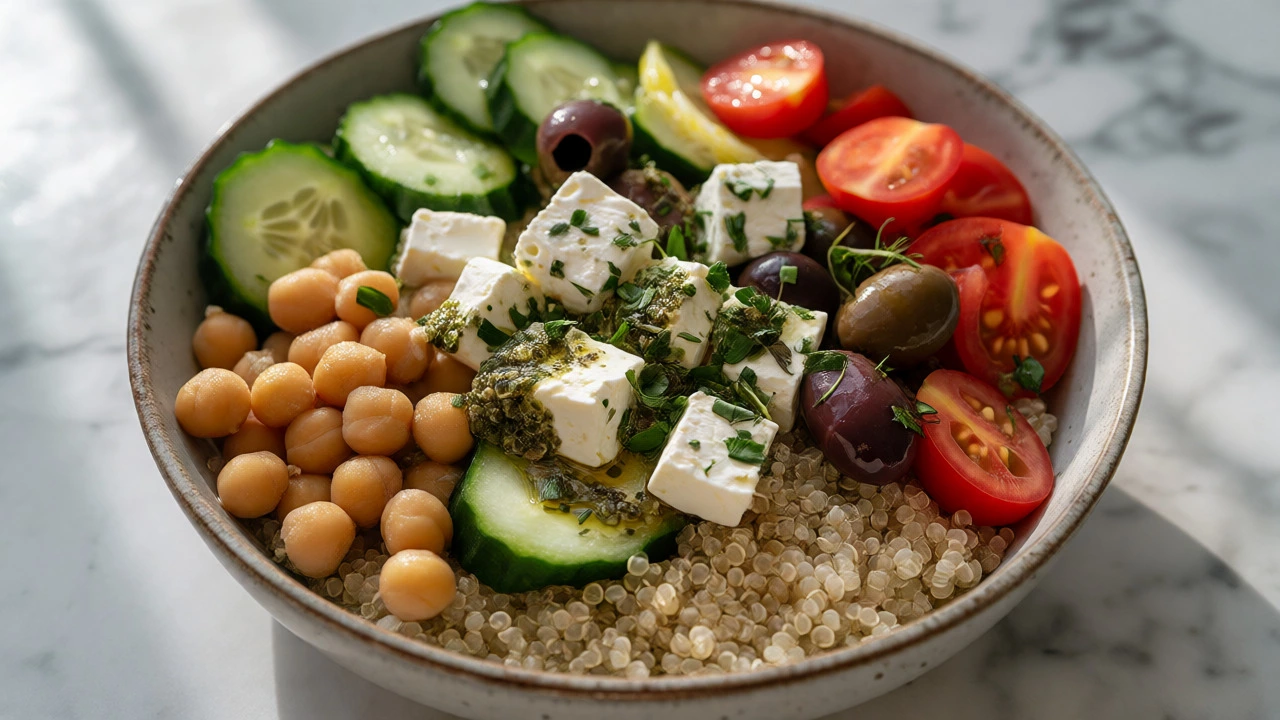
For example, try a Mediterranean bowl: quinoa base, chickpeas, cucumber, feta cheese, olives, and lemon-oregano dressing. It costs roughly £4 to make if you buy ingredients in bulk, compared to £8-£10 for a similar fast-casual salad. Plus, it takes ten minutes to assemble if your grains are already cooked.
Wraps and Roll-Ups: The Portable Alternative
One reason people love burritos and wraps is portability. You can eat them with one hand while typing or walking. Traditional flour tortillas are often high in refined carbs, leading to that post-lunch fog. The swap? Use large lettuce leaves, collard greens, or whole-wheat tortillas.
Consider a turkey and avocado roll-up. Take a large romaine leaf or a thin slice of turkey breast as your 'wrap.' Fill it with hummus, shredded carrots, spinach, and sliced avocado. Roll it tight and secure with a toothpick. No heating required. No mess. It’s crisp, creamy, and packed with nutrients.
If you prefer something warmer, try a whole-grain wrap with leftover roast chicken, pesto, and roasted red peppers. Toasting it lightly in a pan for two minutes gives it that satisfying crunch without the deep-fryer guilt. Pair it with a side of baby carrots and hummus instead of fries. You get the dipping satisfaction with none of the grease.
Soups and Stews: Comfort Without the Crash
When the Manchester rain hits, nothing sounds better than a hot bowl of comfort. Fast food chains offer soups, but they are often laden with sodium and thickeners. Homemade or store-bought quality soups are superior sources of hydration and warmth.
Lentil soup is a powerhouse. Lentils are cheap, shelf-stable, and high in fiber. A batch made on Sunday lasts all week. Serve it with a slice of sourdough bread for dipping. The fermentation in sourdough makes it easier to digest than standard white bread, preventing bloating.
Another great option is miso soup. It’s probiotic-rich, which supports gut health-a major issue for many office workers. Add cubes of tofu and scallions for protein. It’s light enough that you won’t feel heavy during your afternoon meetings, yet warm enough to satisfy cold-weather cravings.
| Fast Food Item | Healthy Swap | Prep Time | Est. Cost (UK) | Energy Impact |
|---|---|---|---|---|
| Double Cheeseburger + Fries | Turkey Lettuce Wrap + Apple | 5 mins | £3.50 | Steady / No Crash |
| Nuggets + Soda | Hummus & Veggie Plate | 2 mins | £2.50 | Light / Alert |
| Bacon Sandwich | Egg Salad on Rye | 7 mins | £2.00 | Sustained Focus |
| Chicken Burrito | Quinoa Power Bowl | 10 mins (batch) | £4.00 | High Fiber / Full |
Batch Cooking: The Secret Weapon for Busy Weeks
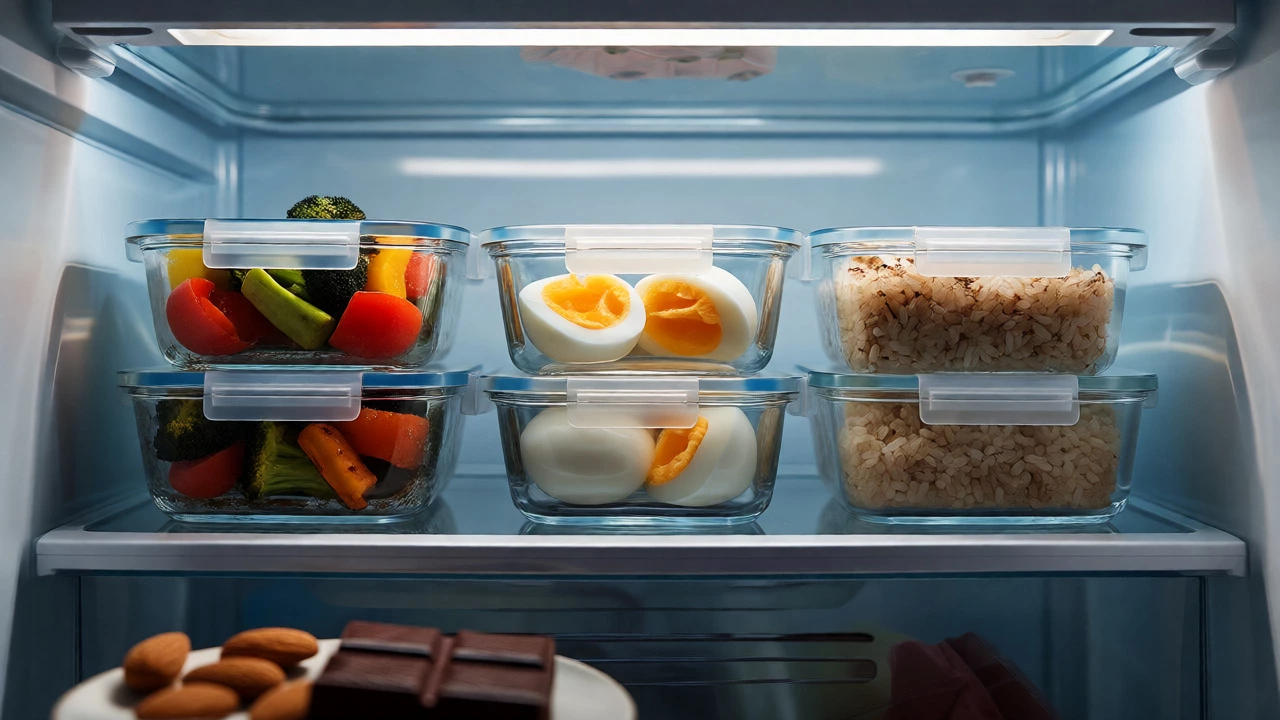
You might be thinking, "I don't have time to cook every day." Exactly. That’s why batch cooking is essential. Spend one hour on Sunday preparing components, not complete meals. Cook a big pot of grains, roast a tray of vegetables, and boil six eggs. Store them separately.
During the week, you mix and match. Monday: Grain bowl with veggies. Tuesday: Egg salad sandwich. Wednesday: Soup with roasted veg. By separating components, you avoid the 'leftover fatigue' of eating the exact same meal four days in a row. Variety keeps your brain engaged and prevents boredom-induced snacking.
Invest in good glass containers. Plastic leaches chemicals when heated and retains smells. Glass looks better, heats evenly, and cleans easily. Seeing neatly stacked, colorful containers in your fridge acts as a visual cue. It reminds you that food is ready, reducing the temptation to order out.
Smart Snacking to Bridge the Gap
Sometimes, skipping lunch leads to overeating at 4 PM. Instead of forcing a heavy meal, try grazing intelligently. Keep emergency snacks at your desk that rival the convenience of candy bars but offer real nutrition.
Almonds and walnuts are excellent choices. They contain omega-3 fatty acids, which support brain function. A small handful provides satiety without calories overload. Dark chocolate (70% cocoa or higher) satisfies sweet cravings with antioxidants. Pair it with an apple for fiber and natural sugar balance.
Avoid 'health' bars loaded with syrup. Read labels. If sugar is in the top three ingredients, it’s basically a candy bar in disguise. Stick to whole foods. An orange, a string cheese, or a hard-boiled egg are more effective at curbing hunger than processed protein bars filled with fillers.
Making the Switch Stick
Changing habits isn’t about perfection; it’s about consistency. Start by replacing fast food once a week. Then twice. Notice how you feel. Do you have more energy? Is your skin clearer? These immediate rewards reinforce the behavior better than abstract long-term health goals.
Be kind to yourself. If you slip up and grab a burger, don’t spiral. Just return to your plan the next day. The goal is to build a relationship with food that empowers you, not restricts you. With these swaps, you’ll find that eating well doesn’t require sacrificing speed or taste. It just requires a little planning and a shift in perspective.
Is homemade lunch really cheaper than buying fast food?
Yes, significantly. While premium ingredients cost more upfront, buying staples like rice, lentils, seasonal vegetables, and bulk proteins drastically lowers per-meal costs. A typical fast-food lunch in the UK averages £8-£10, whereas a comparable homemade bowl or wrap usually costs £2-£4. Over a month, this can save hundreds of pounds.
What if I don't have access to a microwave at work?
Focus on cold-friendly meals. Salads with hearty bases like quinoa or farro hold up well. Wraps, sandwiches, and grain bowls are naturally portable. You can also bring thermos-served soups or stews that stay warm for hours. Hard-boiled eggs, nuts, and fruit plates are also excellent no-microwave options.
How do I stop feeling hungry after eating a healthy lunch?
Ensure your lunch includes protein, fiber, and healthy fats. Protein and fat slow digestion, while fiber adds volume. If you only eat carbohydrates (like a plain salad or fruit), you will likely feel hungry within two hours. Adding avocado, nuts, seeds, or lean meat helps sustain satiety.
Can I still drink soda with a healthy lunch?
Soda adds empty calories and spikes blood sugar, which can counteract the benefits of a healthy meal. Try switching to sparkling water with lime, unsweetened tea, or black coffee. If you crave sweetness, infuse water with berries or mint. Reducing liquid sugar is one of the easiest ways to improve overall diet quality.
What are some easy vegan lunch swaps?
Chickpea salad sandwiches, lentil soups, tofu stir-fries, and hummus vegetable wraps are excellent vegan options. Nutritional yeast can add a cheesy flavor to popcorn or pasta dishes. Ensure you include plant-based proteins like beans, lentils, or tempeh to maintain energy levels.