
Gluten Recovery Roadmap
Select your current status to see the recommended recovery protocol based on the article's guidelines.
Acute Phase Protocol
Immediate ActionFocus on hydration and gentle movement to help the body process the inflammatory response.
Recommended Now:
Strictly Avoid:
Key Recovery Steps
- Hydrate aggressively with water to support kidney and liver function.
- Focus on soluble fiber to move waste through the colon.
- Avoid processed sugars that can increase gut inflammation.
- Rest and give your immune system time to calm down.
- Stick to a strict gluten-free protocol until symptoms vanish.
First, let's get the science straight. Gluten is a group of proteins found in grains like wheat, barley, and rye. It isn't a toxin in the way lead or mercury is; it's a protein. When someone with Celiac Disease or non-celiac gluten sensitivity consumes it, the body triggers an immune response. This leads to inflammation in the Small Intestine, specifically damaging the villi-those tiny hair-like structures that absorb nutrients. You can't "flush" a protein out like you're rinsing a pipe; you have to wait for the digestive process to complete and the inflammatory response to subside.
Hydration: The Engine of Elimination
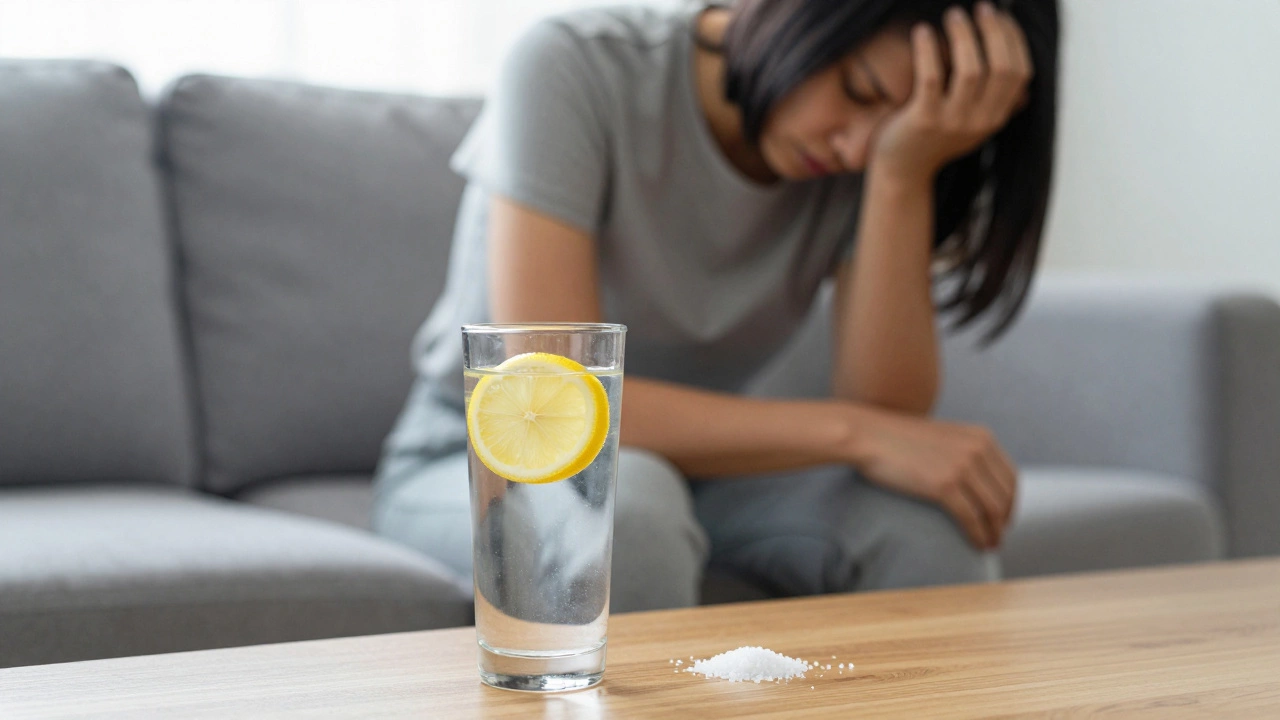
While you can't scrub your intestines, you can support the organs that handle waste. The Liver and Kidneys are responsible for processing the byproducts of inflammation. When your gut is irritated, your body often holds onto water or loses it through diarrhea, which can lead to dehydration. This makes you feel more sluggish and increases the intensity of the "gluten fog."
Drinking plenty of water helps thin the mucus in your digestive tract and ensures that waste moves steadily toward the exit. If you're feeling particularly depleted, try adding a pinch of sea salt or a squeeze of lemon to your water. This provides electrolytes like potassium and magnesium, which are often stripped away during an inflammatory flare-up. Avoid sugary sports drinks; the high fructose corn syrup can actually irritate a compromised gut lining further.
The Role of Fiber in Moving Waste
To get gluten out of your body, you need to keep things moving. This is where fiber comes in. However, not all fiber is created equal when your gut is on fire. If you're experiencing acute cramping, raw kale or heavy cruciferous vegetables might feel like sandpaper on your insides. Instead, lean toward soluble fiber, which forms a gel-like substance and gently carries waste along.
Consider steamed carrots, peeled zucchini, or oats (certified gluten-free). These foods help regulate bowel movements without putting excessive mechanical stress on the intestinal walls. If you're dealing with constipation after a gluten exposure, a gentle increase in soluble fiber combined with walking or light movement can stimulate peristalsis-the wave-like muscle contractions that move food through the gut.
Calming the Inflammatory Storm
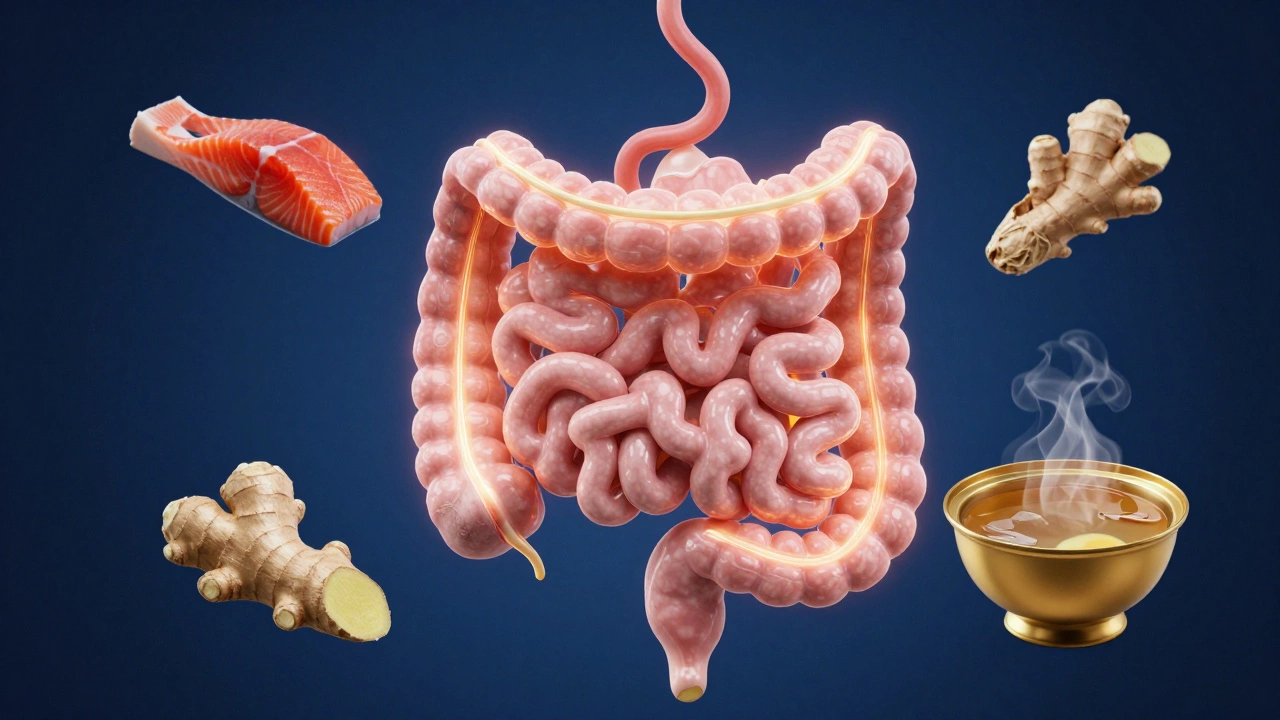
Once the gluten has physically left your system, the "ghost" of the exposure remains in the form of inflammation. This is why you might feel sick for days after the actual protein is gone. To speed up recovery, you need to lower the overall inflammatory load on your body. This means avoiding other common irritants for a few days.
| Eat These (Anti-Inflammatory) | Avoid These (Pro-Inflammatory) |
|---|---|
| Wild-caught salmon (Omega-3s) | Refined white sugar |
| Fresh ginger and turmeric | Heavy dairy/cream |
| Bone broth (collagen) | Fried foods/trans fats |
| Blueberries and raspberries | Excessive caffeine |
Omega-3 fatty acids, found in fish oil or flaxseeds, are like a fire extinguisher for the gut. They help modulate the immune response. Similarly, bone broth is a goldmine for recovery because it contains amino acids like glutamine, which specifically helps seal the "leaks" in the gut lining caused by Increased Intestinal Permeability (often called leaky gut).
Supporting the Microbiome
Gluten exposure doesn't just damage the lining of the gut; it disrupts the balance of your Gut Microbiome. The "bad" bacteria often feast on the inflammation and sugar, crowding out the beneficial strains that help you digest and feel energized. To bounce back, you need to reintroduce friendly bacteria carefully.
Don't jump straight into high-dose probiotic supplements, which can sometimes cause more bloating if your gut is unstable. Instead, try fermented foods in small quantities. A tablespoon of sauerkraut or a small serving of coconut kefir can introduce natural probiotics. These help restore the mucosal layer of the intestine and crowd out the pathogens that might be making your recovery feel slower than it should be.
The Danger of "Detox' Teas and Quick Fixes
You'll see a lot of ads for "colon cleanse" kits or detox teas promising to sweep gluten out of your system in 24 hours. Be very careful here. Most of these products rely on harsh laxatives like senna leaf. When your gut is already inflamed from gluten, using a chemical stimulant to force a bowel movement can cause further damage to the lining and lead to severe dehydration.
Your body has a built-in detox system: the liver, kidneys, and colon. The best way to "detox" is to stop adding new stressors and give these organs the raw materials they need to function. This means sleep, water, and nutrient-dense foods. If you're feeling an extreme reaction, such as a high fever or inability to keep fluids down, this isn't a detox issue-it's a medical one. In those cases, a doctor can provide corticosteroids or other medications to dampen the immune response.
Long-Term Healing and Prevention
Once the immediate crisis has passed, the goal is to prevent the next "glutening." This involves more than just reading labels. It's about understanding cross-contamination. If you're using a toaster that previously held whole-wheat bread, you're introducing enough gluten to trigger a reaction in sensitive individuals. Invest in a separate toaster or use toaster bags.
Focus on a diet rich in naturally gluten-free whole foods. Instead of replacing wheat bread with highly processed gluten-free breads made of cornstarch and potato starch (which can still cause bloating), try quinoa, buckwheat, or amaranth. These are Pseudocereals-seeds that act like grains but provide more protein and minerals to help your gut rebuild itself over time.
How long does it take for gluten to leave the body?
Physically, the protein usually passes through your digestive tract within 24 to 72 hours, depending on your digestion speed. However, the immune reaction and inflammation can last for days or even weeks, depending on the severity of your sensitivity and the amount consumed.
Can apple cider vinegar help flush gluten?
Apple cider vinegar doesn't "flush" gluten out of the body. However, taking a diluted tablespoon before meals can help some people improve their stomach acid levels, which may assist in breaking down proteins more efficiently. It's a digestion aid, not a detox agent.
Does drinking lemon water help with gluten detox?
Lemon water helps by providing hydration and a small dose of Vitamin C, which supports the liver. While it won't physically remove gluten proteins from your tissues, keeping your hydration levels high is the best way to help your kidneys process the waste products of inflammation.
Why do I feel sick for days after eating gluten?
This is because the "gluten-free" part is only half the battle. The real issue is the autoimmune response. Your body creates antibodies that attack the lining of your small intestine. The feeling of sickness is the result of this internal inflammatory battle, not the presence of the gluten itself.
Are there any supplements that speed up gluten recovery?
L-Glutamine is often recommended by nutritionists to help repair the gut lining. Omega-3 supplements can help reduce systemic inflammation. However, always consult a healthcare provider before starting supplements, as some fillers in capsules can actually contain gluten.
Next Steps for Recovery
Depending on how you're feeling, your path forward will look a bit different. If you're in the "acute phase" (first 48 hours), focus exclusively on hydration and bland, soluble-fiber foods. Don't try to force a detox. Once the bloating subsides, move into the "healing phase" by introducing bone broths and fermented foods to repair the microbiome.
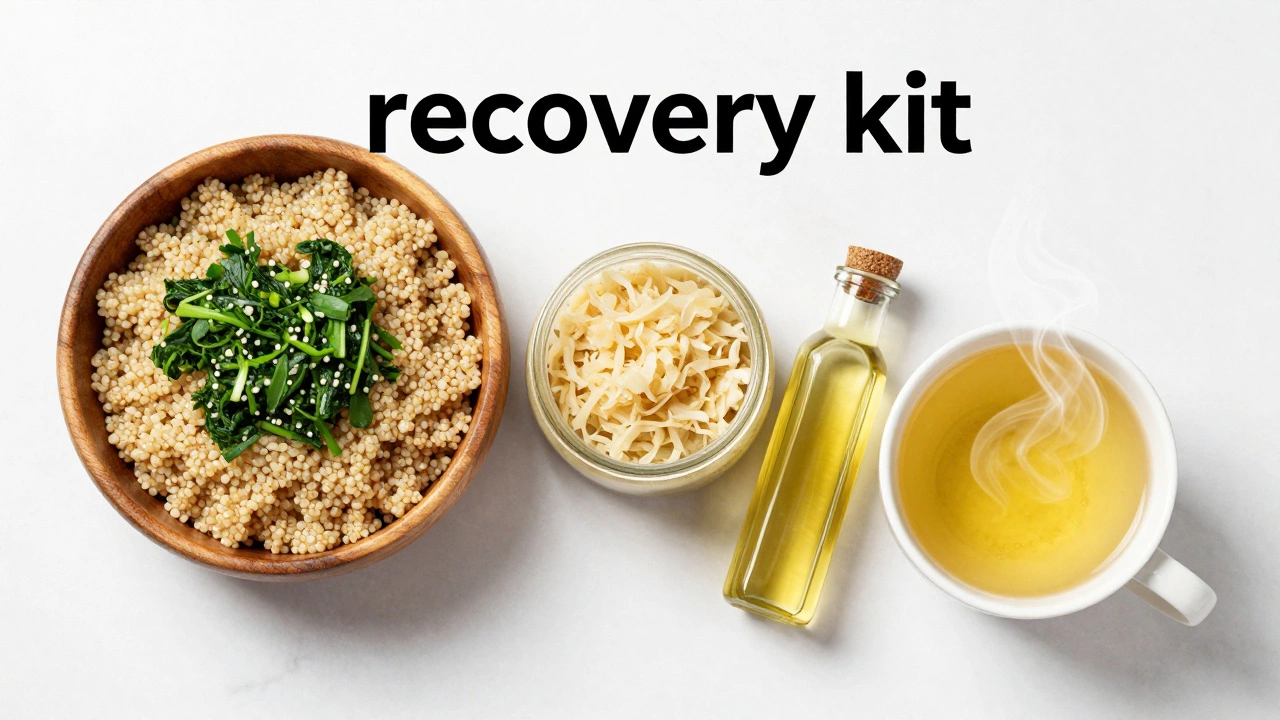
For those who experience frequent accidental exposures, it's worth keeping a "recovery kit" in your pantry: a bottle of high-quality fish oil, some ginger tea, and a stock of certified gluten-free quinoa. The more you focus on reducing overall inflammation in your daily life, the faster your body will bounce back the next time a hidden slice of bread finds its way onto your plate.