
Vegan Coffee Cup Checker
Build Your Coffee Order
Ready to Check
Select your ingredients and click the button to analyze your cup.
You grab your morning mug, steam rising in the cool air. It smells like roasted beans, earthy and rich. But then you pause. You’re trying to stick to a strict vegan lifestyle. Is that black cup of joe safe? Or are there hidden animal products lurking in the roast, the filter, or worse, the creamy add-ins you love?
The short answer is yes. Plain coffee is naturally vegan. It comes from the seed of a cherry fruit. No animals were harmed in the brewing process itself. However, the reality gets complicated fast once you start adding things. A latte isn’t just coffee; it’s a combination of ingredients, some of which might not align with your values.
The Bean Itself: Naturally Plant-Based
Let’s look at the source. Coffee beans are actually seeds found inside the red or purple fruit of the Coffea plant. This fruit is often called a coffee cherry. When farmers harvest these cherries, they remove the outer skin and pulp to get to the seed inside. That seed is what we roast and grind.
Because the bean is a part of a plant, it contains no animal DNA. There is no milk, meat, honey, or gelatin involved in growing the tree or picking the fruit. If you drink black coffee-just water and ground beans-you are consuming a 100% plant-based product. This applies to all major types, including Arabica and Robusta.
However, processing methods can sometimes introduce ambiguity. Some specialty coffees use unique washing processes. While rare, certain traditional methods might involve animal-derived enzymes or clarifying agents during the initial cleaning phase before roasting. For the vast majority of commercial coffee sold in supermarkets, this is not an issue. The standard washed, natural, or honey processing methods rely on water, fermentation, and sun-drying.
The Hidden Trap: Bone Char Sugar
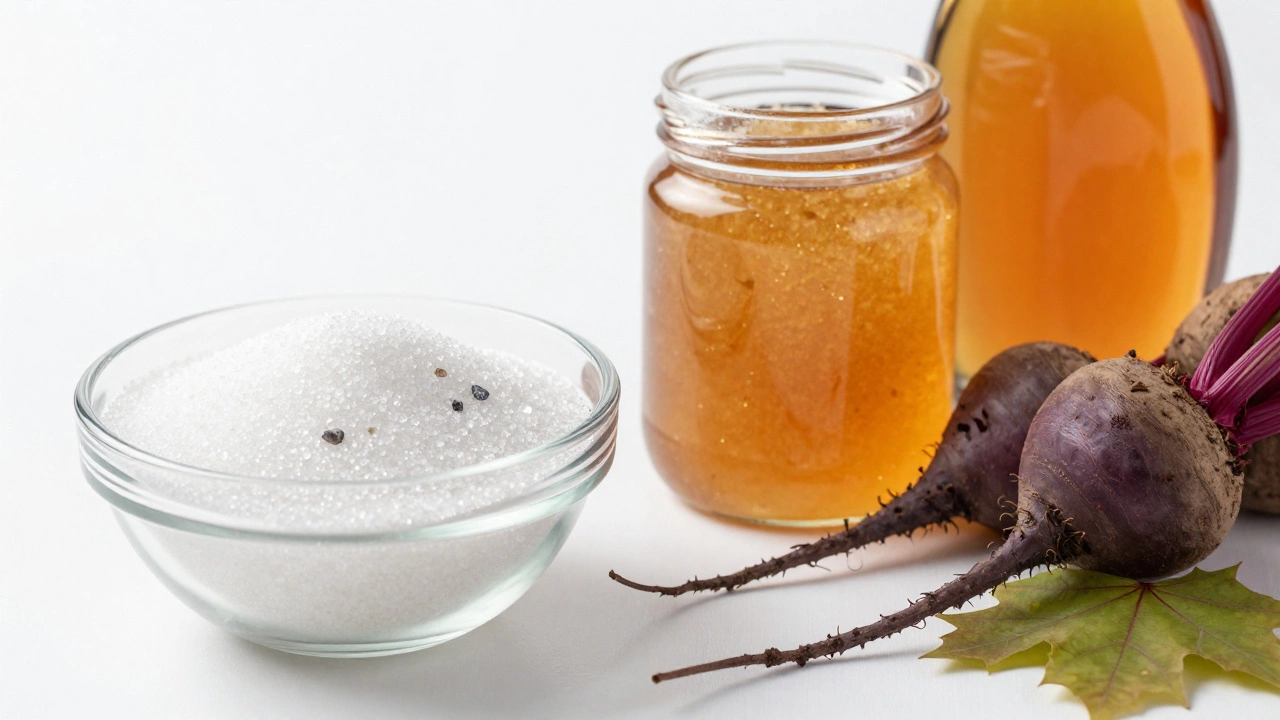
Here is where many vegans trip up. You might drink black coffee, but do you sweeten it? Most people reach for white sugar. In the United States, cane sugar is often refined using bone char.
Bone char is made from the bones of cattle. It acts as a decolorizing filter to turn brown raw sugar into bright white granules. The USDA does not require companies to label whether bone char was used. This means a bag of generic white sugar could have touched animal bones during production, even if no bone particles remain in the final product.
If you are strict about avoiding any animal exploitation, you need to be careful with your sweetener. Look for labels that say "organic," "unrefined," or "beet sugar." Organic certification in the US prohibits the use of bone char. Beet sugar is another safe bet because it never goes through the bone char filtration process. Turbinado, coconut sugar, and maple syrup are also excellent, naturally vegan alternatives that add distinct flavors to your brew.
Milk Alternatives: Not All Creamers Are Created Equal
Most people don’t drink black coffee. They want creaminess. This is where the market has exploded with options, but also where confusion arises. Just because a carton says "plant-based" doesn’t always mean it’s free from cross-contamination or questionable additives.
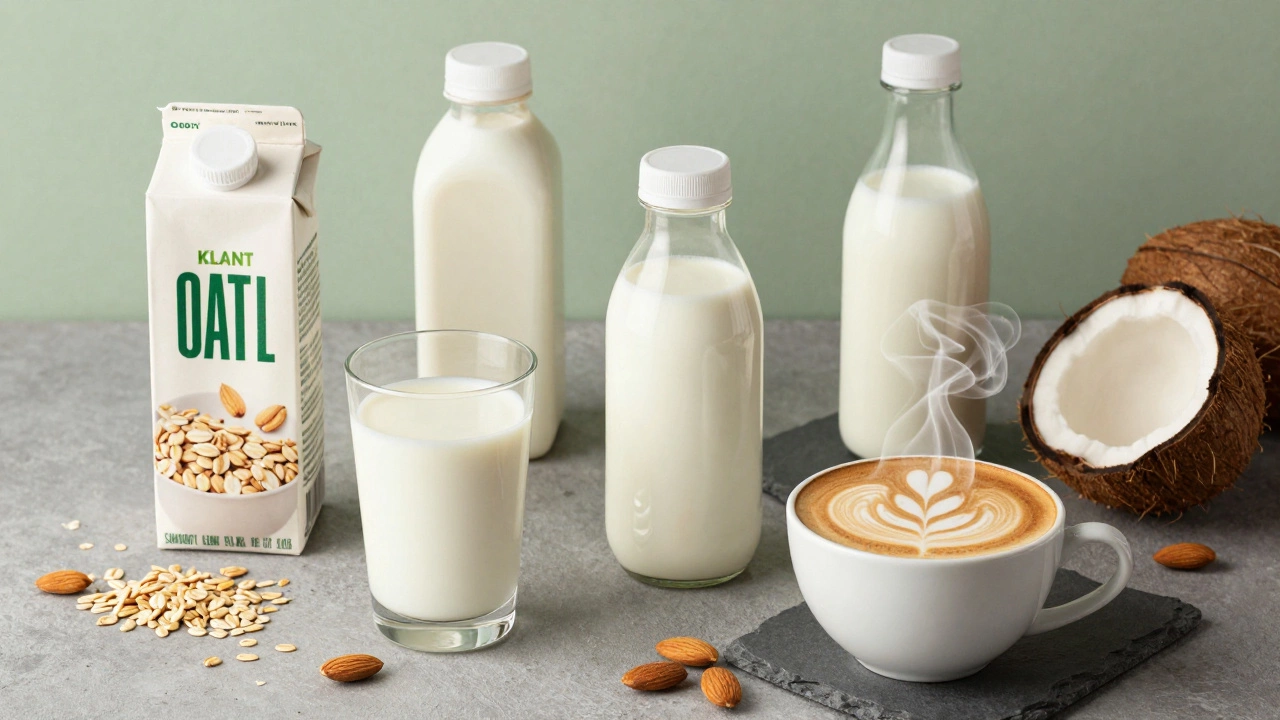
Soy Milk is a popular dairy alternative made by blending soaked soybeans with water and filtering out the solids. It has been around for decades and offers a protein profile similar to cow's milk. It froths well, making it a favorite for lattes. However, check the ingredient list. Some brands add vitamin D3, which is often derived from sheep’s wool (lanolin). True vegan vitamin D is usually D2 or vegan-certified D3 from lichen.
Oat Milk is a trendy, creamy beverage made from hydrolyzed oats and water, known for its high carbohydrate content and neutral flavor. Brands like Oatly have revolutionized the café scene. Oat milk creates a thick, velvety foam that mimics steamed dairy perfectly. It is generally very safe for vegans, but again, watch out for added vitamins. Some cheaper store-brand oat milks might contain calcium carbonate or vitamin A derived from non-vegan sources, though this is less common than with D3 issues.
Almond Milk is a low-calorie, nutty-tasting milk substitute made from blanched almonds blended with water. It is light and watery compared to oat or soy. It doesn’t froth as well, so it’s better for cappuccinos if you prefer a lighter texture. Be aware that almond farming requires significant water resources, which might conflict with environmental ethics for some vegans, even if the product itself is cruelty-free.
Coconut milk and cashew milk are other staples. Coconut milk tends to be sweeter and richer, while cashew milk is incredibly smooth. Always flip the carton. If you see "natural flavors," investigate. Natural flavors can sometimes come from animal sources, though in plant milks, they are usually botanical. To be sure, look for the Vegan Society logo or a clear "Certified Vegan" seal.
Café Hazards: Cross-Contamination and Syrups
Going to a coffee shop introduces new variables. Even if you order an oat milk latte, the equipment matters. Many cafés use the same steam wands for dairy and non-dairy milks. While they rinse the wand, microscopic traces of dairy proteins can remain. For most vegans who avoid animal products for ethical reasons rather than allergies, this is acceptable. If you have a severe dairy allergy, this is a health risk, not just an ethical one.
Syrups are another minefield. Vanilla syrup seems innocent, but some formulations use castoreum (derived from beaver glands) as a flavor enhancer, though this is extremely rare in modern commercial syrups due to cost and public perception. More commonly, caramel coloring or artificial vanilla extracts might involve processing aids that aren't clearly labeled. Honey-based syrups are obviously off-limits. Stick to simple syrups made from sugar and water, or verify the brand’s vegan status.
What about whipped cream? Traditional whipped cream is heavy cream. Vegan whipped creams exist, usually made from coconut cream or aquafaba (chickpea water). If you ask for "whipped cream" at a standard café, you will get dairy. You must specifically ask for "vegan whip" or skip it entirely.
Processing Aids: The Gelatin Question
Some cold brew filters or instant coffee powders use gelatin as a binding agent or clarification step. Gelatin is made from boiling animal skin, tendons, ligaments, and bones. Instant coffee crystals sometimes use spray drying techniques that might involve maltodextrin or other carriers. While pure instant coffee is usually just dried brewed coffee, some flavored instant varieties might include anti-caking agents derived from animal fats.
To avoid this, buy whole beans or pre-ground coffee from reputable brands. Avoid cheap, unbranded instant coffees if you are unsure of their sourcing. Major brands like Starbucks, Dunkin', and Peet's explicitly state that their core coffee products are suitable for vegetarians and vegans, provided you choose your own milk and toppings.
| Ingredient | Vegan Status | Why / Watch Out For |
|---|---|---|
| White Cane Sugar | Uncertain | Often filtered with bone char in the US. Choose organic or beet sugar. |
| Beet Sugar | Vegan | Never uses bone char. Safe for strict vegans. |
| Honey | Not Vegan | Produced by bees. Exploitation of insects is excluded from veganism. |
| Whipped Cream | Not Vegan | Made from dairy cream. Use coconut whip instead. |
| Vanilla Syrup | Usually Vegan | Check for natural flavors or honey content. Most major brands are vegan. |
| Oat Milk | Vegan | Check for Vitamin D3 source. Lichen-derived D3 is vegan; lanolin-derived is not. |
| Cow's Milk | Not Vegan | Animal product. Obvious exclusion. |
Environmental Ethics vs. Animal Ethics
Veganism is primarily about ending animal suffering. However, many vegans also care about the planet. Coffee production has a massive environmental footprint. Deforestation for coffee plantations destroys habitats for countless species. Monoculture farming depletes soil nutrients and requires heavy pesticide use.
If your veganism extends to environmental stewardship, look for certifications beyond just "vegan-friendly." Shade-grown coffee supports biodiversity by allowing birds and other wildlife to live among the trees. Bird-Friendly certified coffee is a gold standard here. Fair Trade ensures farmers are paid fairly, reducing the economic pressure that leads to destructive farming practices.
Choosing local roasters can also reduce carbon emissions associated with shipping green beans across oceans. While this doesn’t change the vegan status of the cup, it aligns with the broader ethical framework many plant-based eaters adopt.
Practical Tips for the Vegan Coffee Drinker
Navigating the world of coffee as a vegan doesn’t have to be stressful. Once you know the pitfalls, you can build a routine that is both delicious and aligned with your values.
- Read Labels: Always check the ingredient list on sugars, syrups, and plant milks. Look for "Certified Vegan" logos when possible.
- Ask Questions: At cafes, ask how they clean their steam wands. Ask if their syrups contain honey or dairy derivatives.
- Switch Your Sweetener: Make the switch to organic cane sugar, beet sugar, or maple syrup. It eliminates the bone char worry entirely.
- Experiment with Milks: Don’t settle for one type. Try hemp milk for a nutty taste, or pea milk for high protein. Different milks pair better with different roast levels.
- Bring Your Own Cup: Reducing waste is part of the ethical mindset. Reusable cups help the planet, which helps the animals living on it.
Drinking coffee as a vegan is entirely possible. In fact, it can be more enjoyable when you discover the depth of flavor in high-quality beans without the masking effect of heavy dairy. By being mindful of your add-ins and processing methods, you ensure that your morning ritual respects life in all its forms.
Is black coffee vegan?
Yes, plain black coffee is 100% vegan. It consists only of water and roasted coffee beans, which are seeds from a plant. No animal products are used in the brewing process.
Is white sugar vegan?
Not necessarily. In the United States, white cane sugar is often refined using bone char from cattle. To be safe, choose organic sugar, beet sugar, or unrefined sugars like turbinado, which do not use bone char.
Can vegans drink lattes?
Yes, as long as you substitute dairy milk with a plant-based alternative like oat, soy, almond, or coconut milk. Ensure the syrup and any whipped toppings are also vegan-certified.
Are coffee filters vegan?
Most paper coffee filters are vegan, made from wood pulp. However, some reusable metal or cloth filters are fine. Rarely, certain specialized filters might use animal-derived binders, but this is uncommon in standard household filters.
Does Starbucks offer vegan options?
Yes, Starbucks offers several plant-based milk alternatives such as soy, almond, and oat milk. Their core coffee drinks are vegan if ordered without dairy, honey, or non-vegan whipped cream. Always specify "vegan whip" if available in your region.